
Richard Washburn Child
writer
- Born:
- 1881-08-05
- Died:
- 1935-01-31
- Professions:
- writer
Biography
Worcester, Massachusetts, 1881: Richard Washburn Child entered the world talking—and never stopped. Harvard followed high school; by 1906 he owned both an undergraduate diploma and a law degree, then traded courtrooms for headlines, launching the Progressive Republican League that would mutate into Roosevelt’s Progressive Party. When Europe exploded into war, he sprinted to the front as a correspondent, filing dispatches from blood-soaked fields and snow-blinded Russian streets. The country captivated him; in 1916 he bottled that fascination into *Potential Russia*, a love letter urging American dollars to flow eastward. Peace found him steering Collier’s editorial ship until 1920, when he jumped to Warren Harding’s presidential campaign as chief phrase-maker. Harding’s victory parked Child in Rome as ambassador in 1921. There he shed diplomat gray for black-shirt charisma, befriending a fiery ex-socialist named Benito Mussolini and quietly nudging him toward the March on Rome that would crown a dictator. J. P. Morgan’s millions trailed Child’s enthusiasm, pouring into Italy once Mussolini grasped the reins in 1922. Rome relinquished him in 1925; *The Saturday Evening Post* claimed his red pen next. Three years later he slipped off the editor’s mantle entirely, becoming Mussolini’s paid ghost. He stitched the Duce’s scattered thoughts into a swaggering autobiography—unsigned inside, though Child’s foreword boasted his authorship—then fed the serialization to his own magazine. Hearst’s chain echoed the applause, printing Child’s lavish hymns to fascism’s efficiency right up to 1935, when his own story—still talking, still selling—finally closed.
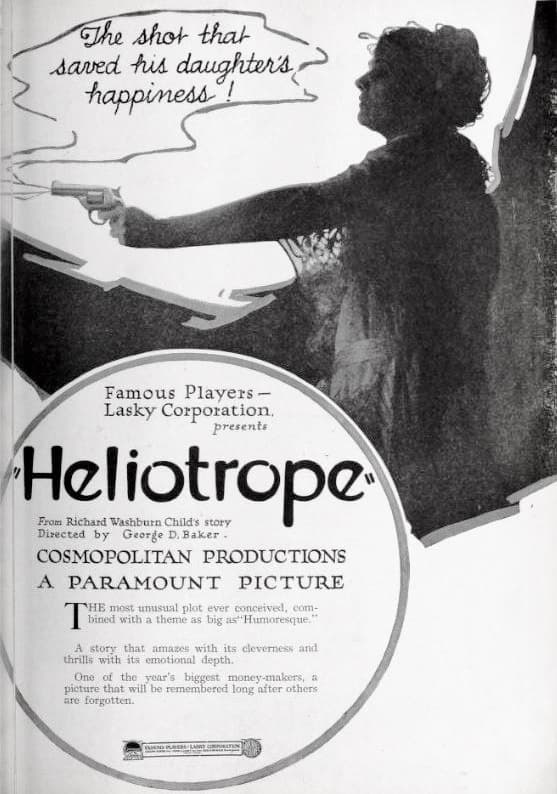
Filmography
Written (1)
Knowledge Base
Frequently Asked Questions about Richard Washburn Child
Community
Comments
Log in to comment.
Loading comments…