Robert Louis Stevenson
miscellaneous, soundtrack, writer
- Born:
- 1850-11-13, Edinburgh, Scotland, UK
- Died:
- 1894-12-03, Vailima, Samoa
- Professions:
- miscellaneous, soundtrack, writer
Biography
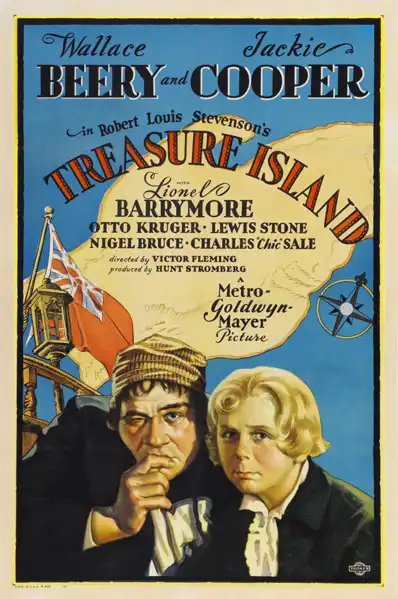
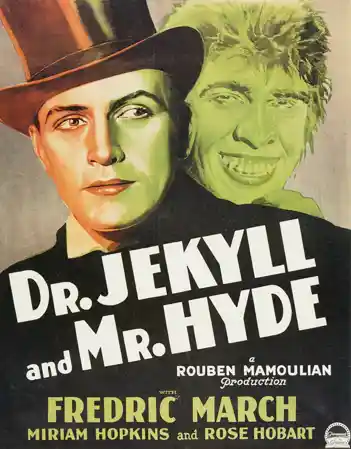
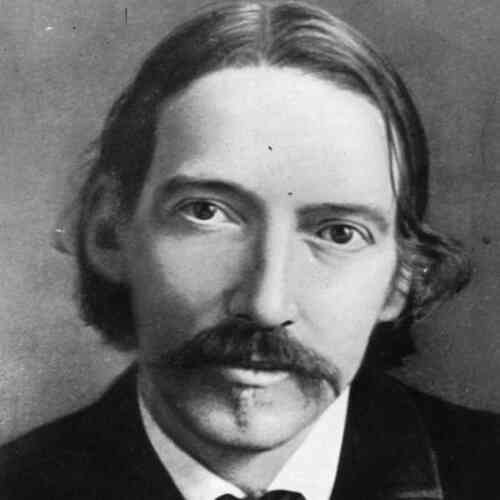
A wheezy, fever-prone boy born among Edinburgh lighthouses in November 1850, Robert Louis Stevenson turned confinement into conquest. While tutors came and went, he listened to his nurse Cummy’s blood-and-thunder Bible stories, then repaid her with his own whispered sagas of pirates and Covenanters before he could even spell the words. By seven he still couldn’t read; by twelve he had dictated an entire history of the Pentland Rising and watched his father bankroll its printing. Engineering lectures at Edinburgh University bored him—he preferred the Speculative Society’s debates and moonlit amateur theatrics—yet the inspection trips he took with his lighthouse-building father seeded a lifelong hunger for horizons. In 1871 he traded theodolites for torts, informing Thomas Stevenson that ink, not iron, was his true element. A law degree followed, but the gown never left its hook; instead, Stevenson stalked London’s literary pubs, befriending the peg-legged poet William Henley who would soon stride through Treasure Island as Long John Silver. Across the Atlantic, Fanny Osbourne—separated, pistol-sharp, and eleven years his senior—was waiting. In 1879 he crossed ocean and continent in steerage, lungs rattling, to reach her; he arrived in Monterey half-dead, was nursed back, and married her in San Francisco the next spring. Their honeymoon unfolded in an abandoned California silver mine where the nights smelled of cedar and the days of manuscript ink. Back in Britain, Bournemouth’s salt air bought him productive years: Skerryvore house rang with Henry James’s daily visits while Stevenson, flat on his back, conjured Jekyll’s split soul, Jim Hawkins’s parrot, and David Balfour’s heather flights. When his father died in 1887, the tether snapped; Stevenson herded mother, wife, and stepson aboard a yacht named Casco and surrendered to the Pacific’s cobalt maze. Island after island—Hawai‘i, Tahiti, the Gilberts—restored color to his cheeks and fury to his pen. In Samoa he bought four hundred acres above Apia, planted coconuts, and waged pamphlet war against German, British, and American gunboats, defending clan chiefs whose names rang like drumbeats: Mataafa, Laupepa. On 3 December 1894, while he stirred a salad and joked with Fanny, a cerebral hemorrhage struck. Samoan warriors carried him up Mount Vaea, cut a path through jungle, and kept vigil until the tomb was ready. Above the surf his own epitaph hums: Under the wide and starry sky Dig the grave and let me lie. Glad did I live and gladly die, And I laid me down with a will. Forgotten by academics for decades, Stevenson sailed back into favor late in the twentieth century: UNESCO now lists him the 26th most translated author on earth—one notch below Dickens, two above Wilde—while filmmakers continue to plunder his islands of story for fresh treasure.
Filmography
Written (10)