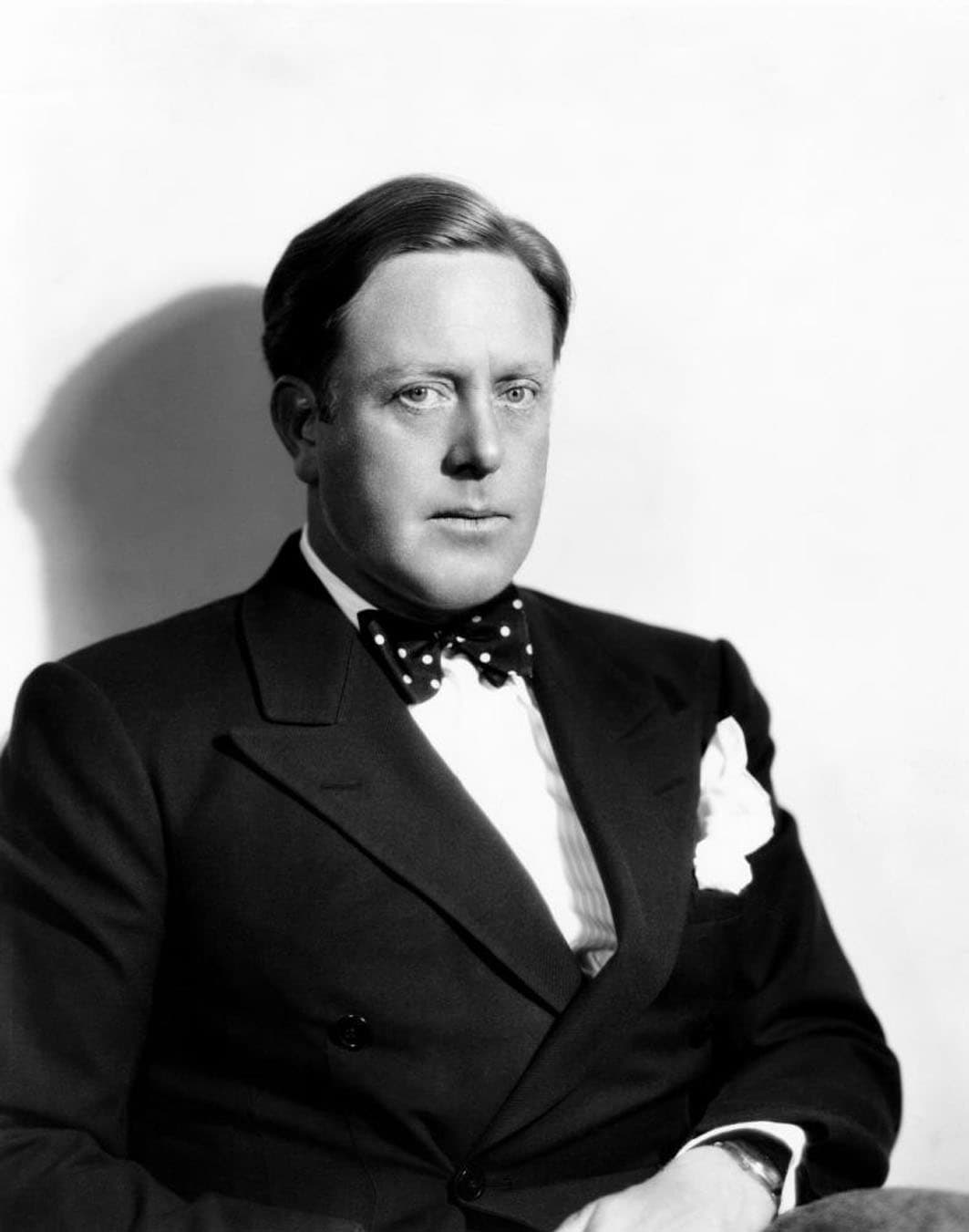
Robert Z. Leonard
actor, director, producer
- Birth name:
- Robert Zigler Leonard
- Born:
- 1889-10-07, Chicago, Illinois, USA
- Died:
- 1968-08-27, Beverly Hills, Los Angeles, California, USA
- Professions:
- actor, director, producer
Biography
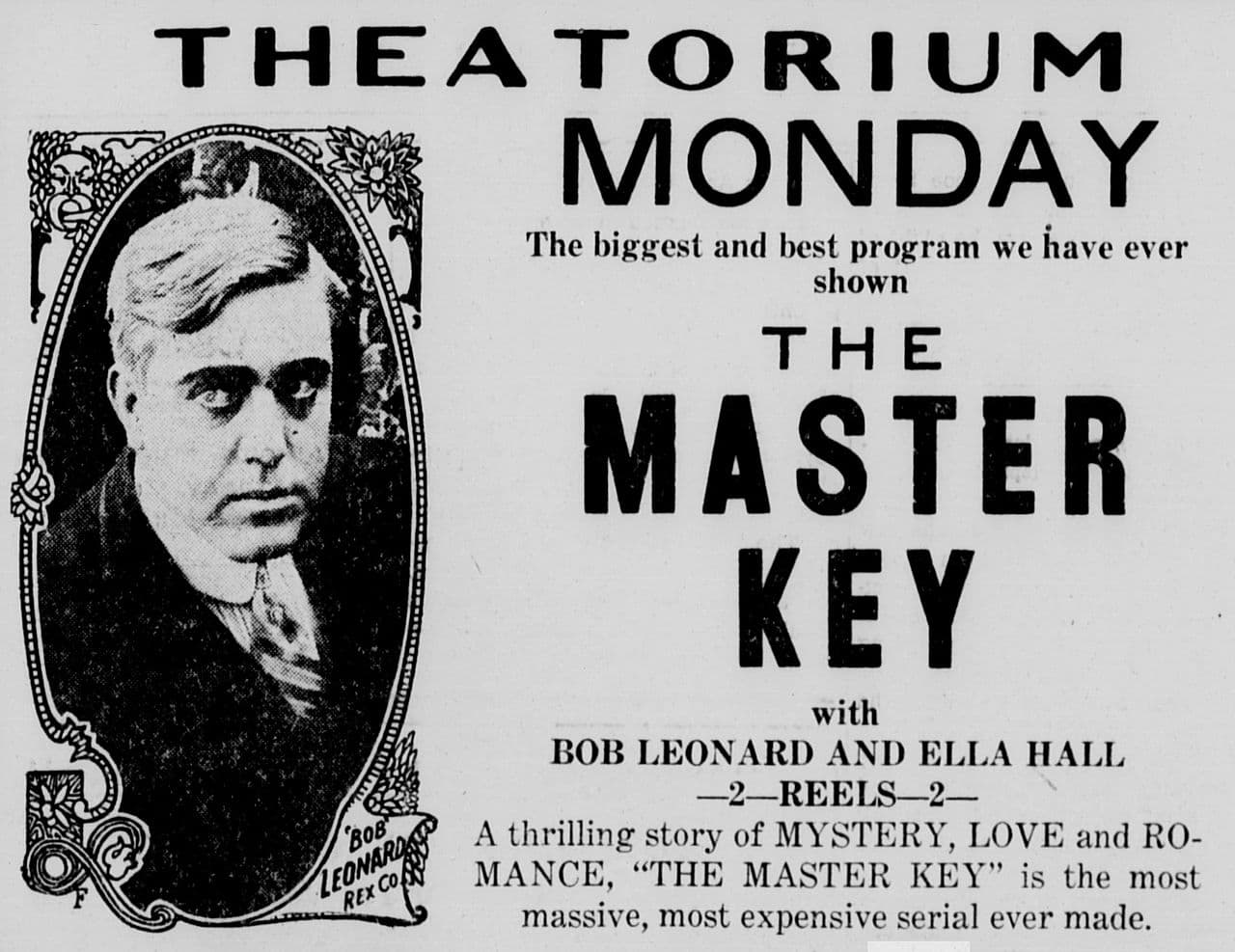
[ { "rewritten_biography": "A native of Chicago, Robert Z. Leonard originally set his sights on a legal career at the University of Colorado. However, the courtroom proved a poor fit compared to the stage, and he soon traded his law books for the theater. Following his family's move to Hollywood in 1907, Leonard broke into the nascent film industry as an actor for Selig Polyscope. While he had established himself as a screen star by 1916, his true ambitions lay behind the camera. He began directing in 1913, cutting his teeth on comedy shorts before earning a major opportunity with the 1914 serial The Master Key. Between 1915 and 1919, he worked under the Universal banner, where he became the primary director for former Ziegfeld Follies sensation Mae Murray, who would eventually become his wife. In 1919, the couple established Tiffany Productions as a dedicated vehicle for Murray’s stardom. While that company eventually transitioned into Tiffany-Stahl—a 'Poverty Row' outfit known for low-budget westerns and 'Chimp Comedies' featuring primates that were far more affordable than human leads—Leonard and Murray moved on to the newly formed Metro-Goldwyn-Mayer in 1924.\n\nLeonard’s volatile marriage to Murray ended in a 1925 divorce, and she departed the studio two years later after disputes with Louis B. Mayer. Leonard subsequently married actress Gertrude Olmstead and settled into a thirty-year tenure as one of MGM's most dependable house directors. A perfect fit for the assembly-line efficiency of the studio system, he joined producer Hunt Stromberg’s elite creative team, churning out a steady stream of light comedies and musicals. Though highbrow critics rarely ranked him among the era's auteurs, Leonard was a master of the high-stakes 'A' picture, frequently managing the industry's most difficult personalities. His MGM highlights included the 1933 backstage hit Dancing Lady, the lavish $2-million Oscar winner The Great Ziegfeld (1936), and nearly the entire run of the beloved Nelson Eddy-Jeanette MacDonald operettas. He also helmed the sophisticated 1940 adaptation of Pride and Prejudice, a quintessential MGM costume drama scripted by Aldous Huxley and starring Laurence Olivier and Greer Garson.\n\nWhile some dismissed his filmography as lacking deep artistic weight, Leonard’s work was almost unfailingly profitable. He had a keen sense of public taste, specializing in high-gloss escapism like Ziegfeld Girl (1941) and Week-End at the Waldorf (1945). Ironically, his 1949 attempt at film noir, The Bribe, was a rare misfire for both the director and the studio. Despite a cast featuring Robert Taylor, a stunning Ava Gardner, and Vincent Price, the film was a box-office failure, with producer Pandro S. Berman later labeling it a mistake. However, The Bribe has since found a second life as a cult classic, and its footage was famously repurposed by Steve Martin for the 1982 tribute comedy Dead Men Don't Wear Plaid. Leonard retired from MGM in 1955, briefly working in Italy to direct Gina Lollobrigida in Beautiful But Dangerous (1955) before concluding his career at Universal with the family feature Kelly and Me (1956). He lived out his remaining years in Beverly Hills with Gertrude until his death in August 1968." } ]