
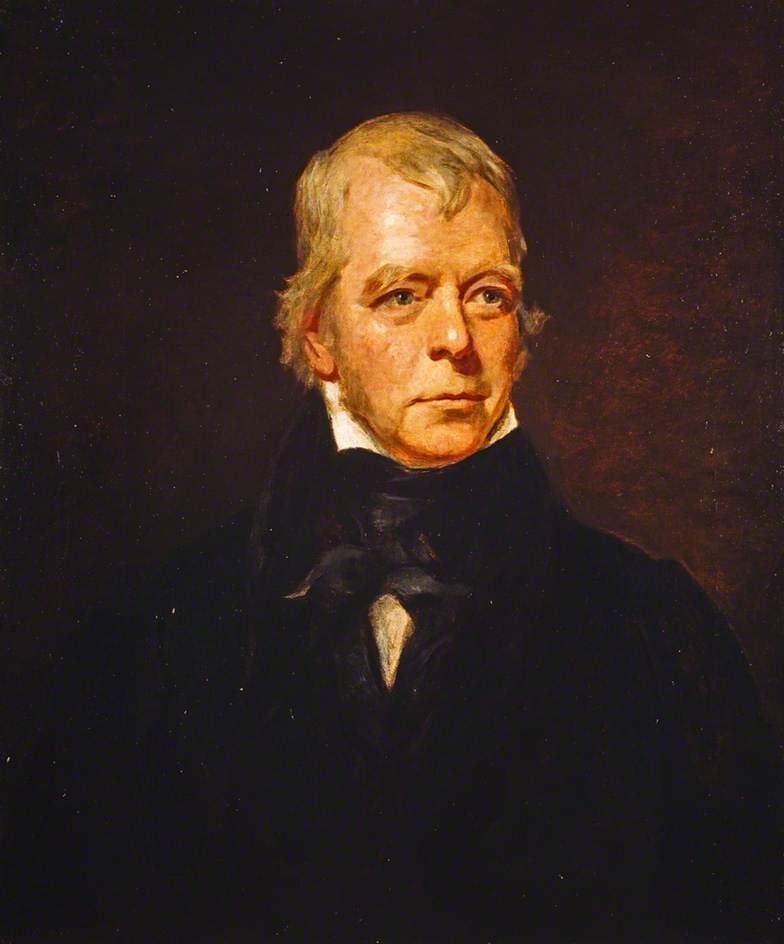
Walter Scott
soundtrack, writer
- Born:
- 1771-08-15, Edinburgh, Scotland, UK
- Died:
- 1832-09-21, Abbotsford, Roxburgh, Scotland, UK
- Professions:
- soundtrack, writer
Biography
Born in Edinburgh, Scotland, on August 15, 1771, Sir Walter Scott entered the world as the ninth child, and fourth to survive, of solicitor Walter Scott and Anne Rutherford. A childhood battle with polio at age two left him with a crippled left leg, yet this early adversity did little to hinder his growth into a tall and vigorously energetic man. Immersed from a young age in the rich tapestry of old Border tales and ballads, Scott's imagination was vividly shaped, laying the groundwork for the historical epics he would later pen. Despite being a clever and active child, poor health briefly interrupted his studies at Edinburgh University. After a year's apprenticeship at his father's legal firm, he committed to studying law. His legal pursuits, however, were punctuated by more profound encounters. During business visits to the Highlands in 1786 and 1787, he crossed paths with the formidable Alexander Stewart of Invernahyle, a man renowned for once dueling the legendary Rob Roy MacGregor, and the celebrated Scottish bard, Robert Burns. A youthful heartbreak, when his first love married another, gave way to a swift and passionate romance. On Christmas Day, 1797, Scott married Charlotte Charpentier, a Frenchwoman, beginning a cherished union that endured until her passing in 1826. His pen found its voice early in poetry, a craft he mastered with such distinction that in 1813, he was offered, but declined, the prestigious Poet Laureateship. The literary world truly shifted with his 1814 debut novel, "Waverley," an instant sensation that soared to become one of the most successful English language novels ever published. In his later years, Scott largely set aside verse to champion the novel, gifting readers enduring works such as "Rob Roy" in 1817 and "Ivanhoe" in 1819. His prolific life concluded on September 21, 1832, following a stroke and apoplectic paralysis suffered the previous year in 1831.
Filmography
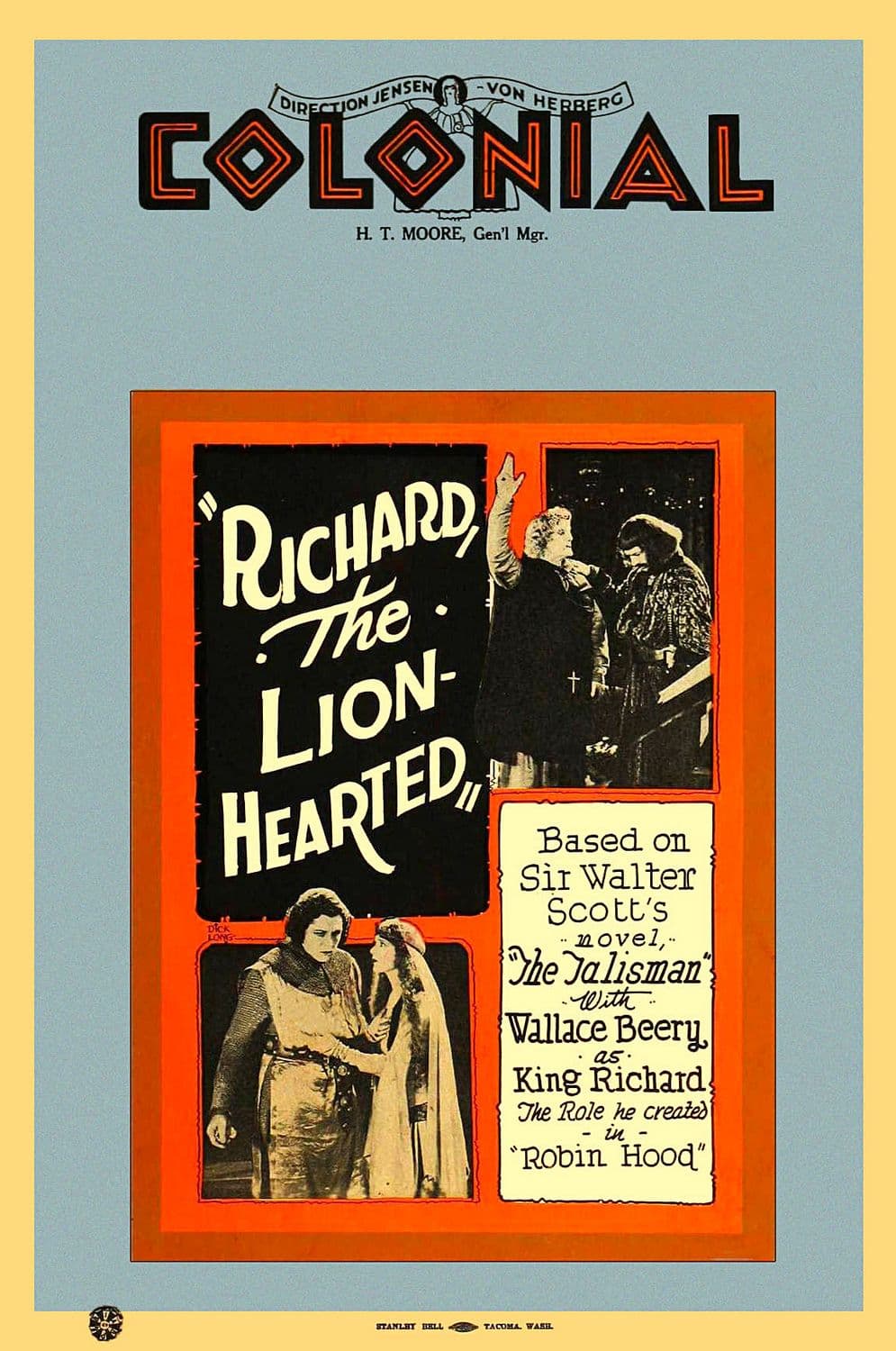
Written (1)
Knowledge Base
Frequently Asked Questions about Walter Scott
Community
Comments
Log in to comment.
Loading comments…