Wladyslaw Starewicz
cinematographer, director, writer
- Born:
- 1882-08-06, Vilna, Russian Empire [now Vilnius, Lithuania]
- Died:
- 1965-02-28, Fontenay-sous-Bois, Val-de-Marne, France
- Professions:
- cinematographer, director, writer
Biography
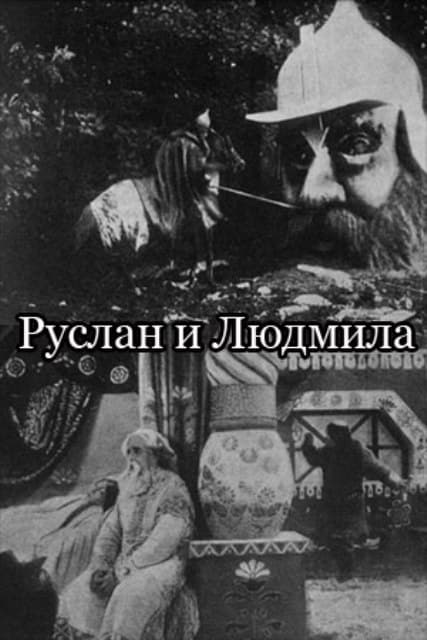
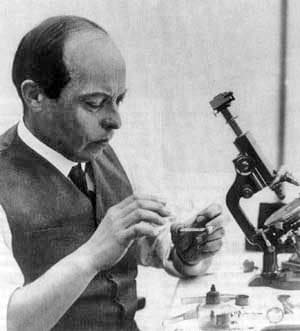
A beetle’s stubborn habit of dropping dead on cue rewrote cinematic history. In 1910 Vilnius, entomologist Władysław Starewicz trained his first camera on a stag-beetle duel; the performers promptly expired under the lamps. Rather than mourn, he dismembered the corpses, wired the shells, and nudged them frame by frame—unwittingly inventing a whole new species of movie. Overnight, the Lithuanian forest floor became soundstage, laboratory, and casting office. By the time the Bolsheviks reshuffled borders, Starewicz had already produced dozens of puppet mini-epics—courtship dramas starring resurrected horseflies, political satires acted out by dead frogs—single-handedly writing, sculpting, lighting, cranking, and editing each reel. When the revolution scattered colleagues, he packed his articulated beetles and fled west, settling in Fontenay-sous-Bois where Parisian cafés learned to expect a quiet man carrying briefcases of tiny limbs. There he spent a decade plotting Le Roman de Renard, a medieval beast fable measured not in pages but in millimeters of fur moved between exposures. Eighteen months of shooting, 150 sets, 300 marionettes, one operator: the finished 65-minute Tale of the Fox premiered in Berlin in 1930, a decade before Disney dared a full-length cartoon. His daughters Irène and Jeanne supplied voices, sewing fingers, and emergency whisker repairs; otherwise the credits read like a census of one restless imagination. Sound, color, and widescreen arrived, but Starewicz kept coaxing life from glass-eyed rabbits and papier-mâché devils until his own final curtain in 1965, leaving a silent menagerie that still twitches with mischief whenever the projector hums.