DbcultAccessing Vault...
Film vs Film
Select two cult films to compare side by side.
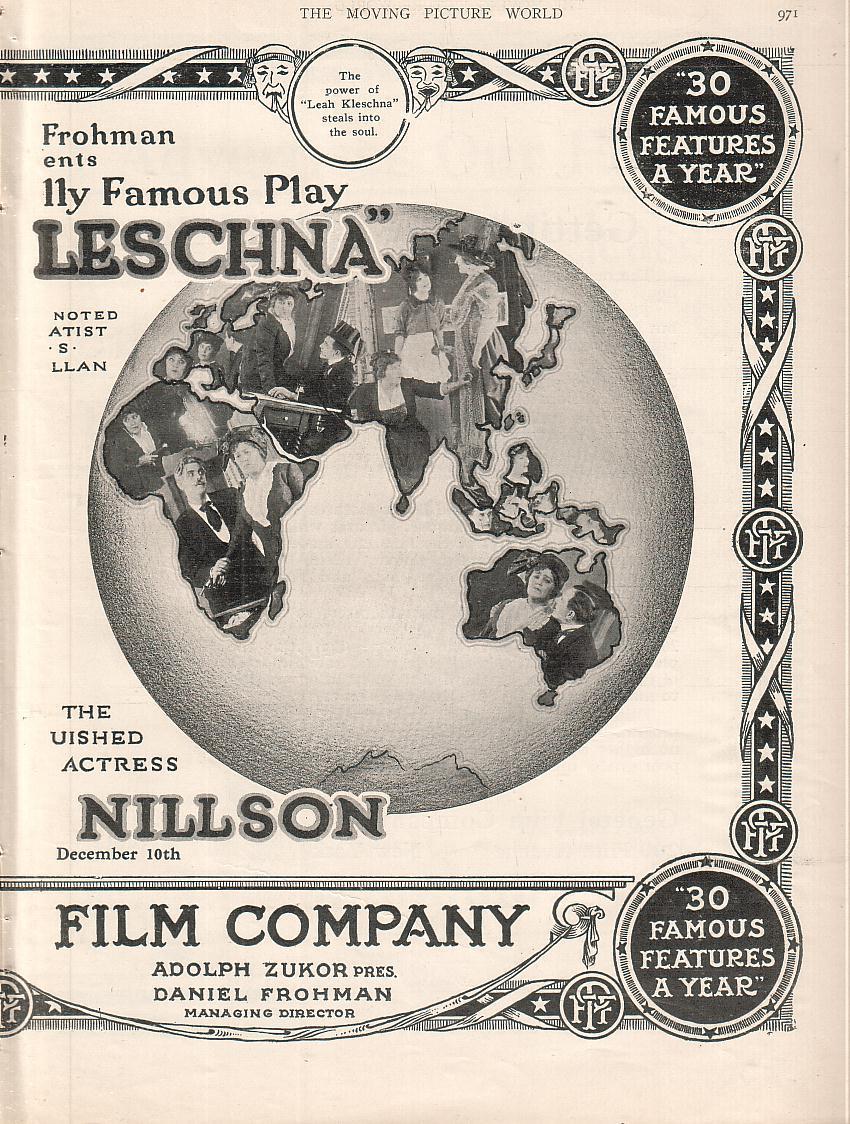
Leah Kleschna Synopsis
Leah's father taught her from early childhood to steal. Attempting to commit a robbery at the home of Paul Sylvaine, she's caught by Sylvaine; instead of treating her as a thief and turning her over to the police, he has an extraordinary interview with her. Sylvaine has faith in the innate goodness of human nature, and this faith is strengthened by Leah's confession that her father has taught her to steal and that she wants to go somewhere to forget the past and begin life anew. An adroit complication is here introduced that increases the suspense: The brother of the girl that Sylvaine is to marry, returning from a drunken spree, enters Sylvaine's apartments and steals the jewels that Leah was to have taken. Sylvaine believes that he was duped by Leah, who after all his kindness and forbearance, fulfilled her job before she left. But eventually Sylvaine learns that the theft was committed by his fiancée's brother. Leah is exonerated, and just to help sentimental matters along, the engagement between Sylvaine and his fiancée is suddenly terminated. Sylvaine seeks Leah and finds her living far from Paris, a redeemed and regenerated woman. Ha asks her to marry him; she consents, and the jewels that brought her into Sylvaine's home and into contact with his refining influence are bestowed upon her as a wedding gift.
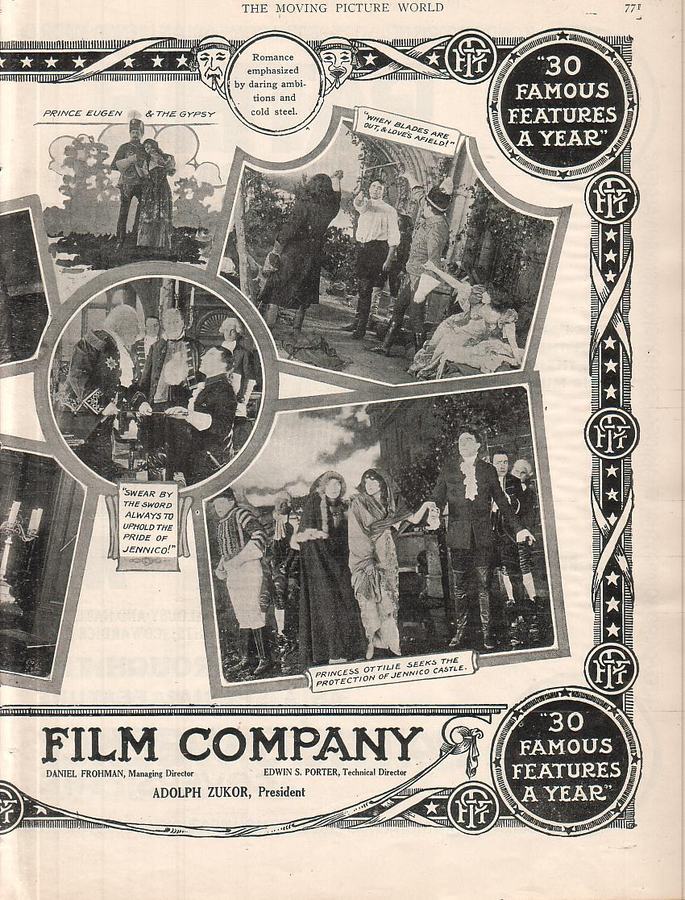
The Pride of Jennico Synopsis
In the days of romance when fortune and glory were carved by the sword, Basil Jennico, the descendant of a proud and haughty house, walking among the old ancestral chambers, dreams of his gallant forebears and their daring deeds performed for the smile of a lady fair. Inspired by his lofty heritage and the atmosphere of nobility and bravery in which he has been reared, Basil longs for love and adventure. At this romantic period of Basil's life, his aged uncle, the lineal head of his house, dies, and makes Basil swear by the sword that he will always uphold the pride of Jennico. Basil becomes Lord of Tollendhall and master of the broad acres of the Duchy of Lausitz, but titles, estates and splendor do not compensate for the absence of love. Princess Ottilie, a beautiful, whimsical maiden, is urged by her guardian, the Earl of Dornheim, to marry Prince Eugen, a worthless rogue, whom Ottilie fears and loathes. To avoid marrying Eugen, the Princess affects her escape from the castle in the guise of her maid, Marie, who follows after her mistress. The two are overtaken by a storm and seek the shelter of Jennico Castle. Marie is introduced to Jennico as the Princess, but Jennico falls madly in love with Ottilie, whom he believes to be the maid. Love and pride struggle for supremacy. Jennico is heart-broken, because his sworn duty to maintain the dignity of his house prohibits his marriage to the maid. The willful, fascinating maid intimates to Jennico that the Princess admires him, and, repressing love for duty, he courts the "princess." The marriage is arranged. Princess Ottilie and her maid confer and arrange to change places at the altar. Jennico greets his bride, heavily veiled, but when at last he looks upon her face he sees the piquant, mocking Ottilie and thinks he has married the maid. Love bids him accept his happiness, but his pride asserts itself and he resents the supposed deception. Ottilie, noticing his anger and piqued because he is not content with her, regardless of her apparent low rank, leaves him. Desperate for the love of the absent and tantalizing beauty, he seeks the supposed maid, encounters the bitter enmity and jealousy of the defeated Prince Eugen and his trusted force; but, despite all opposition and against all odds, he wins his way to Ottilie's heart at his sword's point, to find that valor has not only won him a heart of gold, but a title that adds luster to the pride of Jennico.
"Leah Kleschna" holds a slight edge in general audience appreciation, but "The Pride of Jennico" offers its own unique cult appeal.
Suggested Watch:
Leah Kleschna