Summary
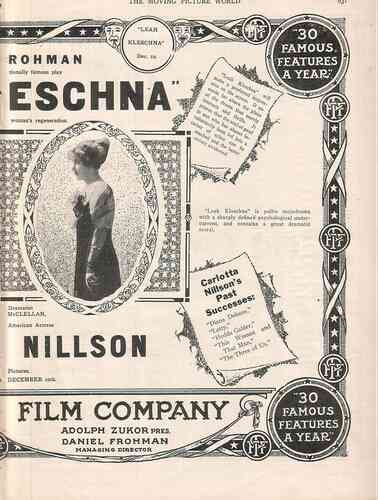
The narrative of Leah Kleschna serves as a poignant tapestry of moral reclamation, tracing the trajectory of a woman whose very identity was forged in the crucible of paternal criminality. From her nascent years, Leah was groomed as a surgical instrument of larceny, her conscience muffled by the relentless tutelage of a father who viewed the world as a vault to be cracked. The inciting incident—a clandestine intrusion into the domicile of Paul Sylvaine—serves not as the climax of her criminal career, but as the dawn of her spiritual awakening. Sylvaine, a man whose ideological convictions regarding the inherent nobility of the human spirit mirror the burgeoning humanism of the early 20th century, chooses to engage his captor in a philosophical dialogue rather than summon the constabulary. This 'extraordinary interview' becomes the fulcrum upon which Leah’s life pivots, as she confesses her yearning for a tabula rasa. Yet, the path to atonement is obstructed by a classic Aristotelian complication: a secondary theft perpetrated by a dissolute relative of Sylvaine’s own fiancée. This irony creates a momentary eclipse of faith, as Sylvaine initially believes Leah has succumbed to her baser instincts. The eventual revelation of the truth leads to a sweeping denouement where Leah, now a 'regenerated woman' in the pastoral serenity far from the corrupting influence of Paris, finds not only absolution but a union of souls, symbolized by the very jewels that once heralded her downfall.
Synopsis
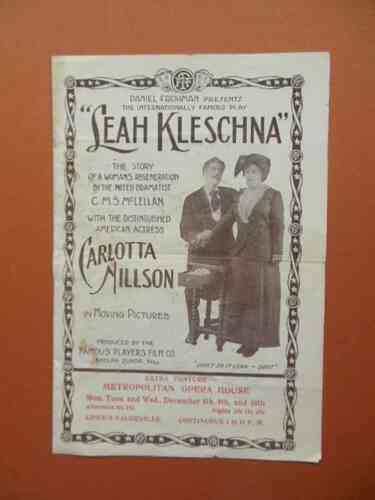
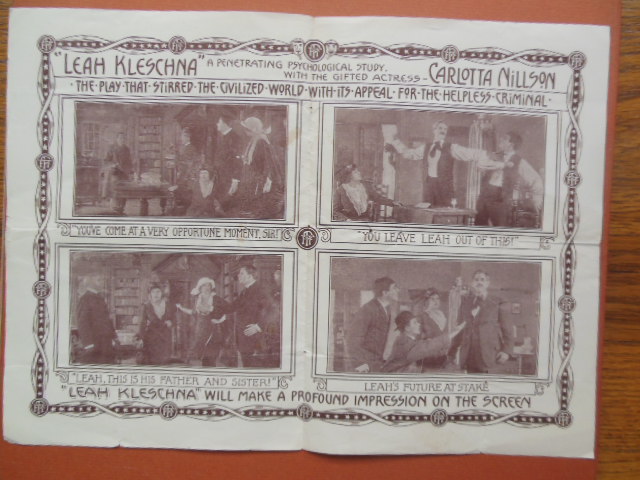
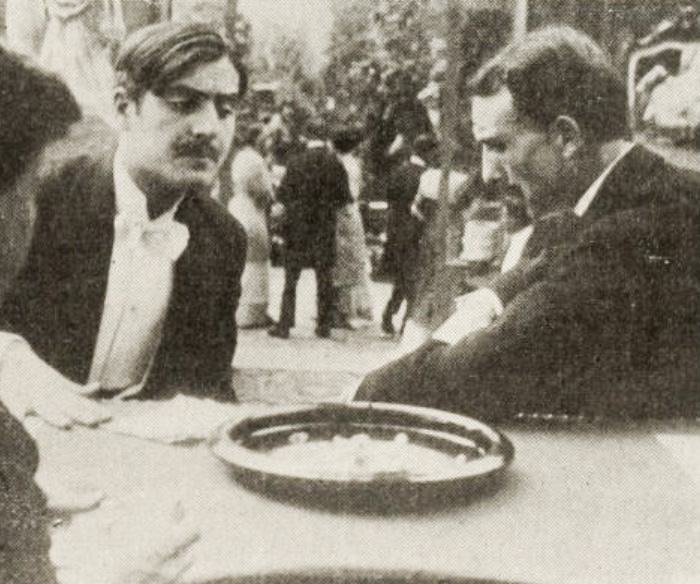
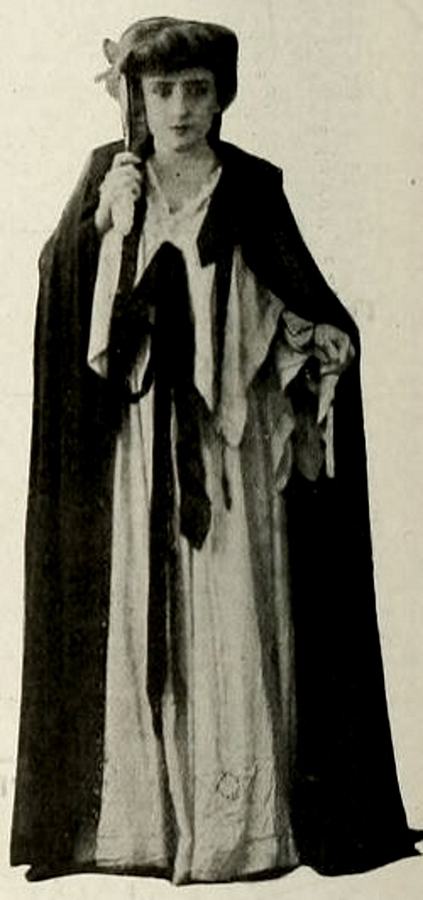
Leah's father taught her from early childhood to steal. Attempting to commit a robbery at the home of Paul Sylvaine, she's caught by Sylvaine; instead of treating her as a thief and turning her over to the police, he has an extraordinary interview with her. Sylvaine has faith in the innate goodness of human nature, and this faith is strengthened by Leah's confession that her father has taught her to steal and that she wants to go somewhere to forget the past and begin life anew. An adroit complication is here introduced that increases the suspense: The brother of the girl that Sylvaine is to marry, returning from a drunken spree, enters Sylvaine's apartments and steals the jewels that Leah was to have taken. Sylvaine believes that he was duped by Leah, who after all his kindness and forbearance, fulfilled her job before she left. But eventually Sylvaine learns that the theft was committed by his fiancée's brother. Leah is exonerated, and just to help sentimental matters along, the engagement between Sylvaine and his fiancée is suddenly terminated. Sylvaine seeks Leah and finds her living far from Paris, a redeemed and regenerated woman. Ha asks her to marry him; she consents, and the jewels that brought her into Sylvaine's home and into contact with his refining influence are bestowed upon her as a wedding gift.
Review Excerpt
"
The Alchemical Transformation of the Fallen Woman
In the burgeoning landscape of 1913 cinema, a year that saw the release of monumental works like Les Misérables and the visually arresting Atlantis, J. Searle Dawley’s adaptation of Leah Kleschna stands as a towering achievement in character-driven melodrama. While many contemporary films were preoccupied with historical spectacle—think of the grandiose The Last Days of Pompeii—this film chooses the intimate confines of the human conscience as..."