DbcultAccessing Vault...
Film vs Film
Select two cult films to compare side by side.
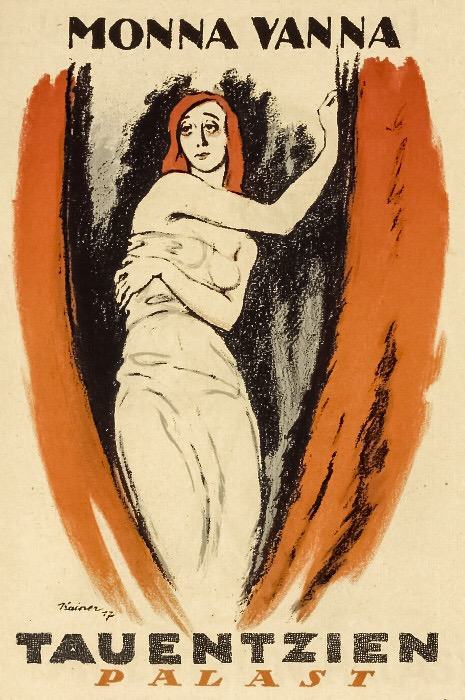
Monna Vanna Synopsis
Giannello was the son of a goldsmith, who had been commissioned to set some jewels for Monna Biancaone, one of the great ladies of Pisa, and mother of the beautiful Vanna. Father and son set out together to take the jewels to the lady. Vanna is gathering roses and loses her ring. Gianello finds it for her, and she binds up his hand, which has been torn by the thorns. From that day the young people think of nothing but each other, though their station in life is so far apart. Vanna, however, is betrothed to Sir Guido Colonna. Gianello, divining that another will gather the sweet flower, climbs the wall of the palace to see Vanna once more. He is surprised by some of the palace retainers and taken for a thief. He is led into the presence of Vanna and her mother, and the young girl identifies him as the goldsmith's son and asks to have him taken back to his father. This is done, Gianello protests to his father that he is not a thief, but says that no one shall ever know his secret. His father is angry and determines that his son shall become a soldier. The captain of a band of adventurous soldiers is glad to accept Giannello as a recruit. The goldsmith's son makes a willing soldier. Pisa in the meantime is rejoicing in the marriage of Vanna and Sir Guido. But their happy days do not last long. The Florentines move against the Pisans and Pisa is invested for a long siege. The siege lasts a long time and the people of the city are nearly starving. At last Guido is forced to send an envoy to the Florentine general to beg tor peace terms. Prinzivalle, as he is now known, is none other than the goldsmith's son, Giannello, who has become commander of the Florentine forces. He dictates the following terms: "Pisa shall have peace and victuals only if Monna Vanna comes to me this night bringing the fairest roses in her garden." Vanna accepts the terms for her people's sake. In the meantime Prinzivalle has sent the food supplies to the city. The signal of acceptance of the terms glows from the tower of Pisa, and Vanna comes to the tent of the general. They talk together and at last Vanna recognizes in him the son of the goldsmith. He tells her that Pisa is already fed, and she gives him the roses she has brought. Vedio, his lieutenant, comes to warn him that the Florentines are furious and are coming to arrest him. Vanna promises him that Pisa will save him out of gratitude. He goes with her. But Guido proves unworthy of his noble wife. He refuses to believe in her innocence and Prinzivalle is sent to the dungeons. Here Vanna joins him, declaring that Guido's outrageous words severed the tie between them, and that she is free to follow her heart. Vanna unlocks the door and they leave together.
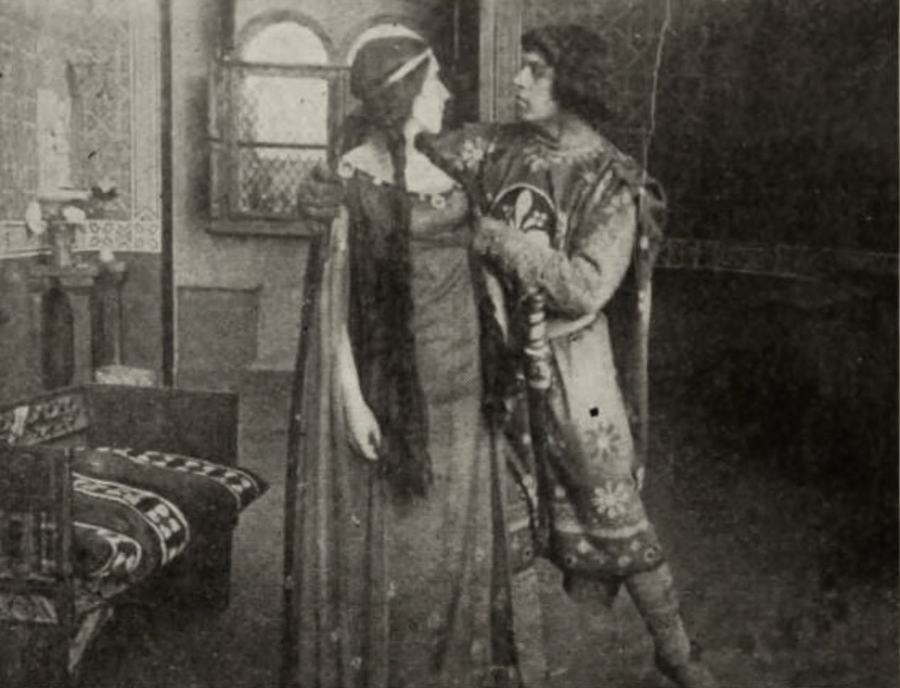
The Gorgona Synopsis
The action of this picture takes place in Pisa at the beginning of the XII century during the culmination of the Italian Sea republics, and commences exactly at the moment when the Pisan fleet starts with the allies to the conquest of the Balearic Islands in order to deliver the twenty thousand Christians from the Turkish yoke. Marcel Figuinaldo and his son, Lamberto, are sent by the City of Florence to command the army which is to guard Pisa while the Republican Navy is fighting in the Mediterranean Sea. But Lamberto, rather than remain inactive outside Pisa, prefers to sail and is eager to have the chief command of the fleet. He asks Henry "the Coscetto," who has been elected commander-in-chief of the navy, to relinquish his power and to pass it over to him. Naturally the "Coscetto" refuses to do so, and then Lamberto threatens him to take revenge by trying to make the Gorgona, Henry's betrothed, fall in love with him during Henry's absence. Henry sails, and Lamberto keeps his word. One night he leaves the barracks and enters Gorgona's home while the girl is alone, praying and keeping the sacred lamp burning. A charming love scene takes place between the two. Meanwhile Marcel, Lamberto's father, and commander-in-chief, strictly forbids the soldiers to leave the barracks and enter the City of Pisa, under pain of death. Lamberto having been discovered, is therefore, by his own father, sentenced to be beheaded. Before the appointed hour, Lamberto asks his father to let him go once more to bid farewell to Gorgona, under oath to come back before dawn. Marcel consents, but should Lamberto fail to return in time, he himself would have to die in his stead. The girl endeavors to prevent Lamberto from going back to the barracks and thus avoid meeting his fate. The time flies and daybreak finds Lamberto still there. Suddenly the news is spread that the victorious ships are in sight, and Marcel, amid the general excitement, enters Pisa to fetch the Gorgona and to escort her towards the victors, with the votive lamp. He finds the girl weeping and kneeling by Lamberto's body, the young man having killed himself to atone for his broken oath. Outside the crowd was still applauding the Gorgona and the victors.
"Monna Vanna" holds a slight edge in general audience appreciation, but "The Gorgona" offers its own unique cult appeal.
Suggested Watch:
Monna Vanna