Summary
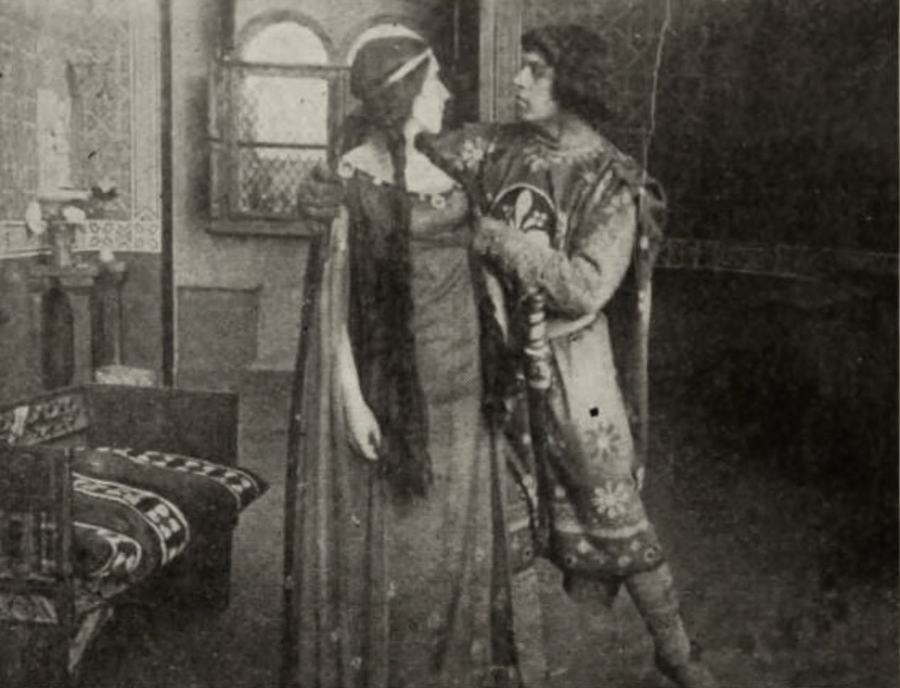
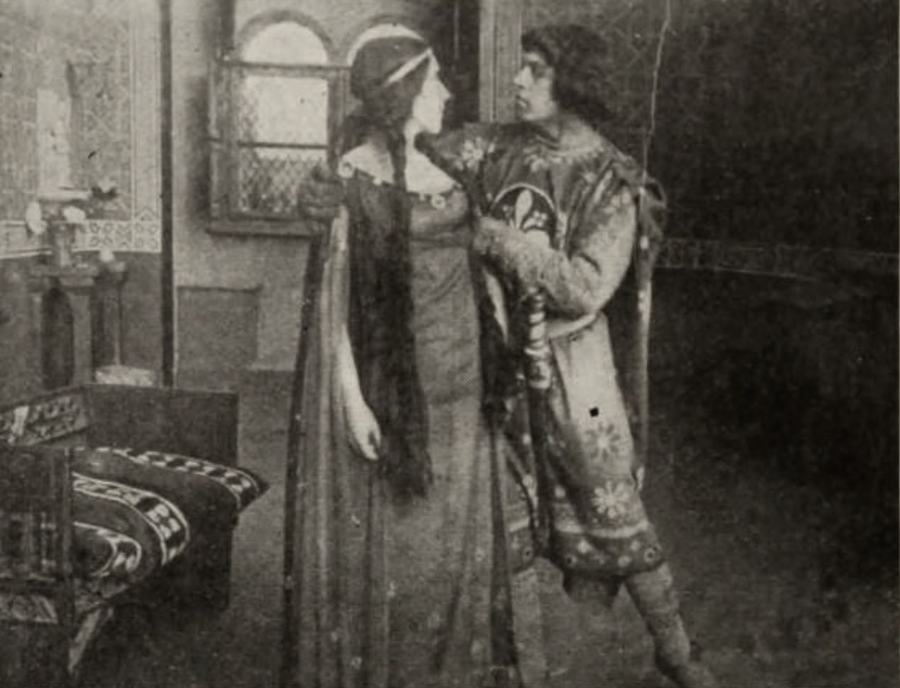
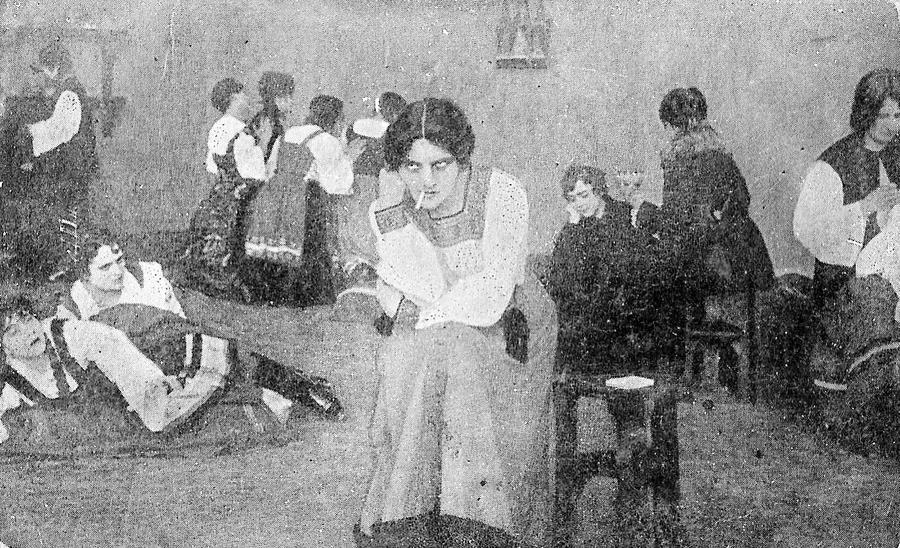
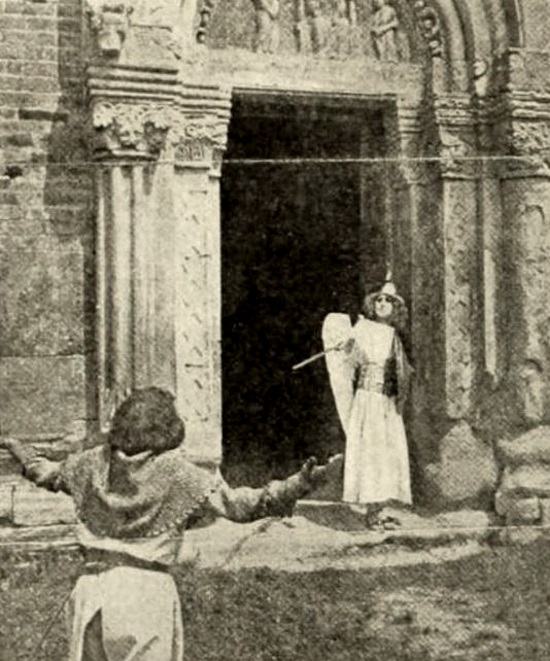
In the ochre haze of twelfth-century Pisa, where marble campaniles cast cruciform shadows upon the Arno’s restless mirror, Sem Benelli’s fever-dream unfurls like a blood-stained tapestry: Florentine war-engineer Marcello Figuinaldo—bronze-browed, iron-willed—marches south at the Pope’s behest to shield the maritime republic while its galleys knife toward Majorca’s Moorish chains. His sole heir, Lamberto, a seraph with steel nerves, hungers for naval immortality and demands the admiral’s baton from当选 commander Enrico ‘il Coscetto,’ a lion in dented helm who scorns the boy’s velvet arrogance. Spurned, Lamberto swears to cuckold the victor by seducing Gorgona, the betrothed whose very name smells of brine and votive wax. The fleet departs; candles gutter in chapel recesses; Lamberto slips through curfewed alleys, breaches the girl’s candle-lit solitude, and awakens in her a conflagration of flesh and penitence that scorches the saints’ frescoed eyes. Dawn betrays them: sentries drag the lovers before Marcello’s tribunal where filial pulse collides with civic law. The father, torn between pietas and imperium, pronounces capital sentence yet grants a furlough sealed by oath: return before sunrise or the axe will claim the judge instead. Gorgona’s tears, perfumed with myrrh and desperation, cannot chain the suicidal honor that propels her lover back—too late. As trumpets blare to greet the returning prows adorned with crucifix-trophies, Marcello enters the chapel to escort the maiden bearing the sacred lamp; he finds Lamberto’s corpse cradled in her lap, dagger still wedged beneath the rib that once beat for glory, the pact fulfilled in blood rather than time. The populace hails the miracle of victory while a father’s silent howl ricochets off stone, and the lamp, still burning, drips wax like frozen tears onto the marble where love, duty, and empire bled into one indelible stain.
Synopsis
The action of this picture takes place in Pisa at the beginning of the XII century during the culmination of the Italian Sea republics, and commences exactly at the moment when the Pisan fleet starts with the allies to the conquest of the Balearic Islands in order to deliver the twenty thousand Christians from the Turkish yoke. Marcel Figuinaldo and his son, Lamberto, are sent by the City of Florence to command the army which is to guard Pisa while the Republican Navy is fighting in the Mediterranean Sea. But Lamberto, rather than remain inactive outside Pisa, prefers to sail and is eager to have the chief command of the fleet. He asks Henry "the Coscetto," who has been elected commander-in-chief of the navy, to relinquish his power and to pass it over to him. Naturally the "Coscetto" refuses to do so, and then Lamberto threatens him to take revenge by trying to make the Gorgona, Henry's betrothed, fall in love with him during Henry's absence. Henry sails, and Lamberto keeps his word. One night he leaves the barracks and enters Gorgona's home while the girl is alone, praying and keeping the sacred lamp burning. A charming love scene takes place between the two. Meanwhile Marcel, Lamberto's father, and commander-in-chief, strictly forbids the soldiers to leave the barracks and enter the City of Pisa, under pain of death. Lamberto having been discovered, is therefore, by his own father, sentenced to be beheaded. Before the appointed hour, Lamberto asks his father to let him go once more to bid farewell to Gorgona, under oath to come back before dawn. Marcel consents, but should Lamberto fail to return in time, he himself would have to die in his stead. The girl endeavors to prevent Lamberto from going back to the barracks and thus avoid meeting his fate. The time flies and daybreak finds Lamberto still there. Suddenly the news is spread that the victorious ships are in sight, and Marcel, amid the general excitement, enters Pisa to fetch the Gorgona and to escort her towards the victors, with the votive lamp. He finds the girl weeping and kneeling by Lamberto's body, the young man having killed himself to atone for his broken oath. Outside the crowd was still applauding the Gorgona and the victors.
Review Excerpt
"
p,blockquote,li{color:#fff;text-align:justify;}
a{color:#EAB308;text-decoration:none;border-bottom:1px dotted #EAB308;transition:color .3s;}
a:hover{color:#C2410C;border-bottom:1px solid #C2410C;}
h2{margin:2.5em 0 .6em;font-size:1.9em;color:#0E7490;font-weight:400;letter-spacing:.5px;}
h3{margin:2em 0 .4em;font-size:1.4em;color:#C2410C;font-weight:400;}
strong{color:#EAB308;font-weight:600;}
ul{list-style:square inside;padding-left:1.2em;}
li{padding:.3em 0;}
blockquote{margin:2em 0;padding:1..."