DbcultAccessing Vault...
Film vs Film
Select two cult films to compare side by side.
Pants Synopsis
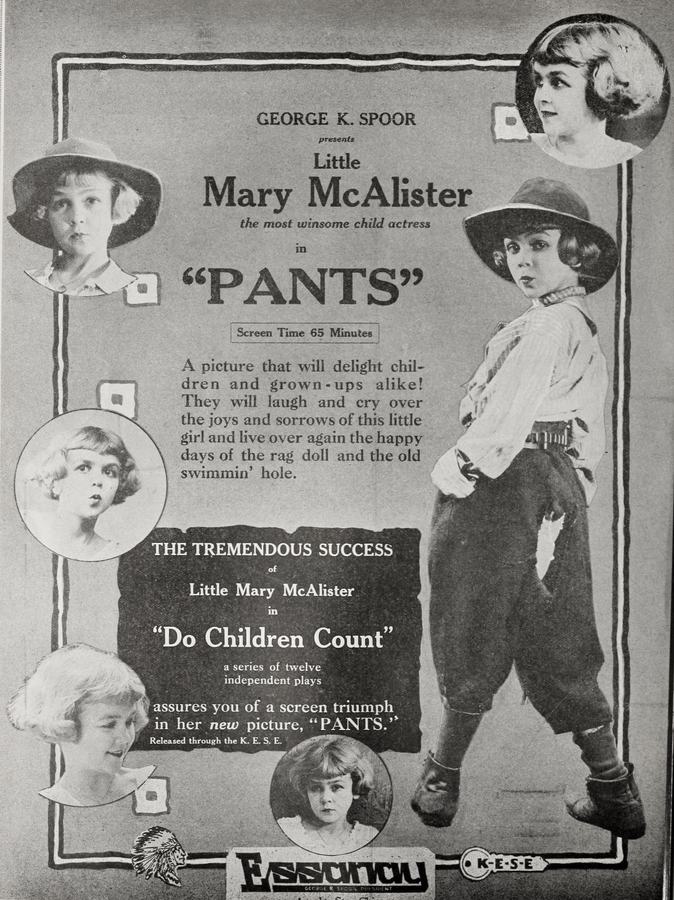
Little Betty has a luxurious home, an army of servants and the costliest of toys. But she hasn't what a child wants most of all, other children to play with. The result is that she runs away and joins a group of children from the ghetto district on the beach. In play she exchanges clothing with a little boy. That evening Betty doesn't return home. Her maiden aunt, an over-zealous guardian, is frantic. She notifies the police. The same evening the father of the boy, who has lost his position and is facing starvation, decides to turn burglar. He steals into the home of Betty's father. The household is awakened and the intruder captured. At that moment the police arrive with the boy whom they have mistaken for Betty on account of the little girl's clothing which he wears. All are utterly bewildered. The denouement comes with Betty's entrance at this juncture, garbed in the boy's clothes. She likes the boy and on her plea he and his father are liberated. The experience teaches Betty's father that his little girl should have more than his wealth can afford her; that is, other children to play with.
Young Mother Hubbard Synopsis
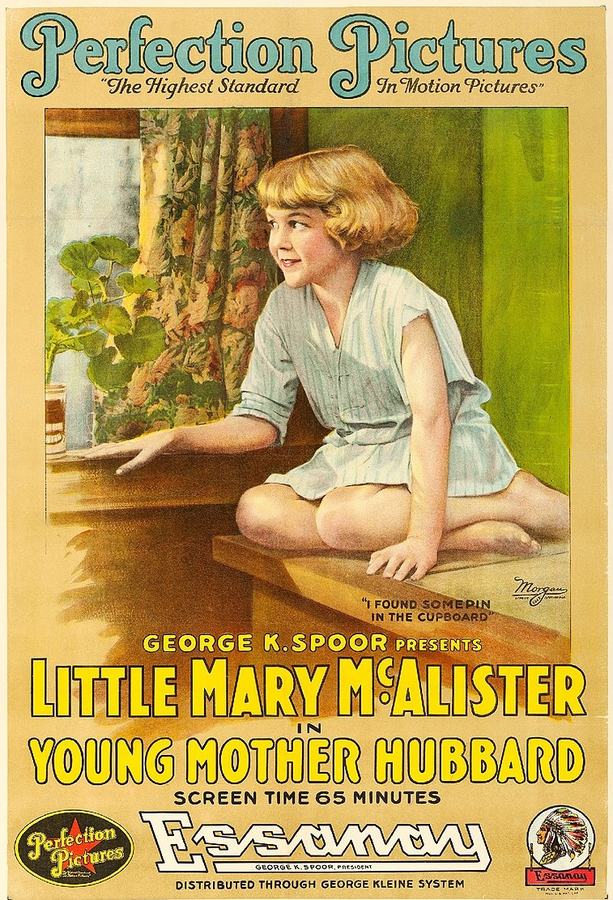
Forced by the death of her mother to care for her three brothers and sisters, little Mona Fairfax is known to farmers of her district as Young Mother Hubbard. The children's step-father, heavily in debt and tired of the burden imposed by the little family, abandons his farm, leaving the children, penniless, to shift for themselves. The following day Daniel Banning, a wealthy "country gentleman" and owner of the Fairfax farm, calls to collect back rent. He finds Mona and her children panic-stricken over a note left by their step-father, telling of his decision to leave. Banning turns a deaf ear to Mona's pleas that she be allowed to remain on the farm with her wards. He notifies the Children's Welfare Society. Directors of the society go to the farm, load them into an automobile, and take them to the society's headquarters. At headquarters the chairman calls for volunteers to take the children into their homes. A square-jawed woman, a miserly old man, a brutal fellow, with bull-dog features, and a ponderous, harsh, mannish looking women, each agree to take a child. When it dawns upon Mona and her brothers and sisters that they are to be separated they break into tears and beg piteously to be allowed to remain together. Their pleas are ignored. Finally Mona begs that they be allowed to spend a last night together on the Fairfax farm. The request finally is granted. That night Mona hitches the family horse to a rickety old wagon and the children set out to escape. They fall asleep and the horse stops near Banning's house. The housekeeper takes them in during the master's absence. When Banning returns he is furious. Mona offers him a wisp of flowers, which he scorns. Finally, however, the child's smile wins his heart and he cuddles her. Later when agents of the welfare society try to take the children, Banning drives them from his place, declaring he will adopt Young Mother Hubbard and her entire family.
"Pants" holds a slight edge in general audience appreciation, but "Young Mother Hubbard" offers its own unique cult appeal.
Suggested Watch:
Pants