Summary
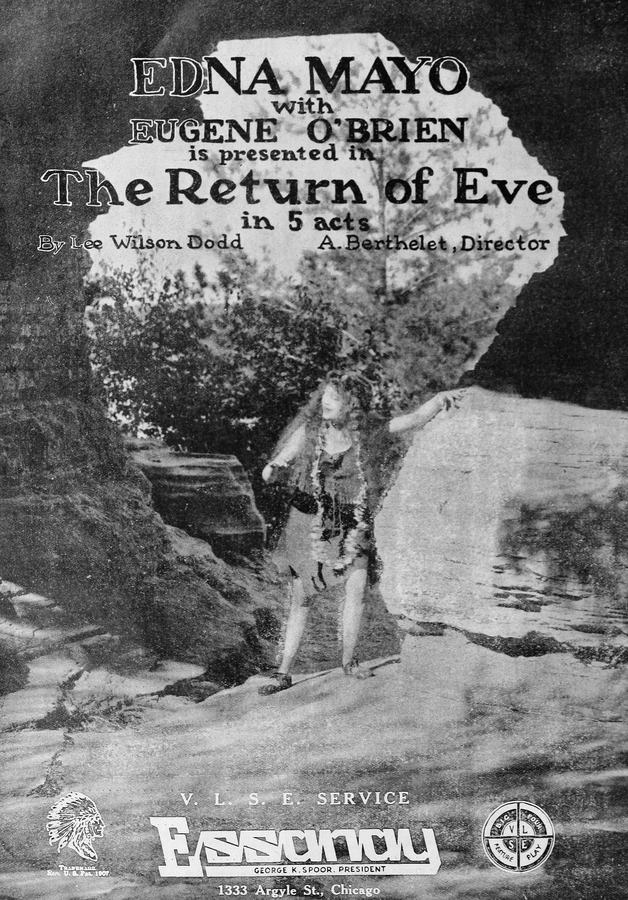
A sun-bleached prairie becomes a crucible of innocence when ten-year-old Mona Fairfax—her apron still smelling of the mother she buried last week—presides over a ramshackle farmhouse like a miniature abbess. Three smaller siblings orbit her, their lungs raw from crying over a step-father who has vanished with the last tin of coffee and the final crumbs of mercy. Enter Daniel Banning, city-made squire in buffed boots, arriving to collect arrears that could not be paid even if the children sold their shadows. Repossession is his reflex; charity, a foreign syllable. Welfare agents descend, parceling out brothers and sisters to a gallery of Dickensian grotesques—each volunteer a fresh shard of nightmare. Mona bargains for one last dusk beneath the sagging rafters, then flees under moon-milk light, reins knotted around her wrists like rosary beads. The jaded horse halts outside Banning’s pillared porch, delivering the fugitives into the reluctant custody of a man whose granite heart will fracture beneath the weight of a bouquet offered by a child who has already learned that love is a currency more volatile than land.
Synopsis
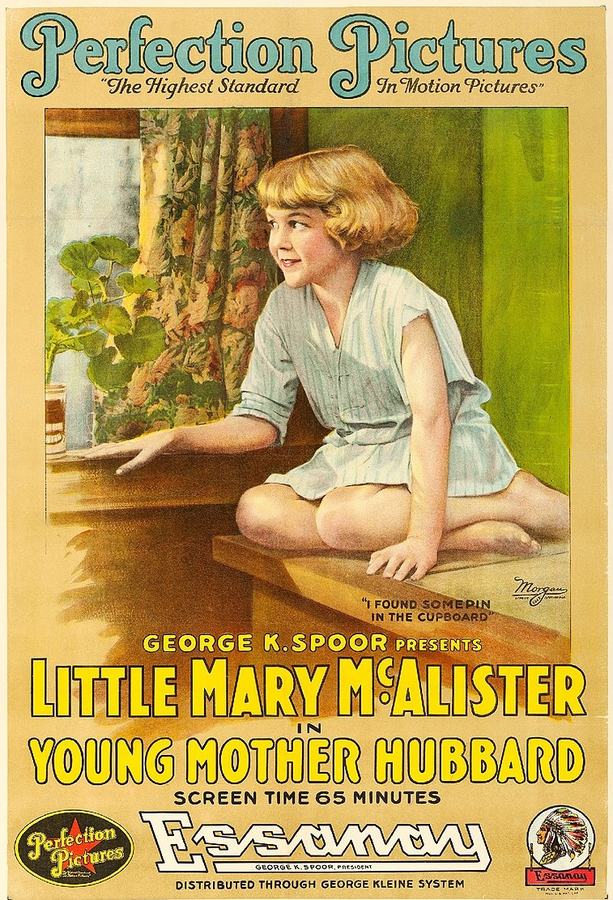
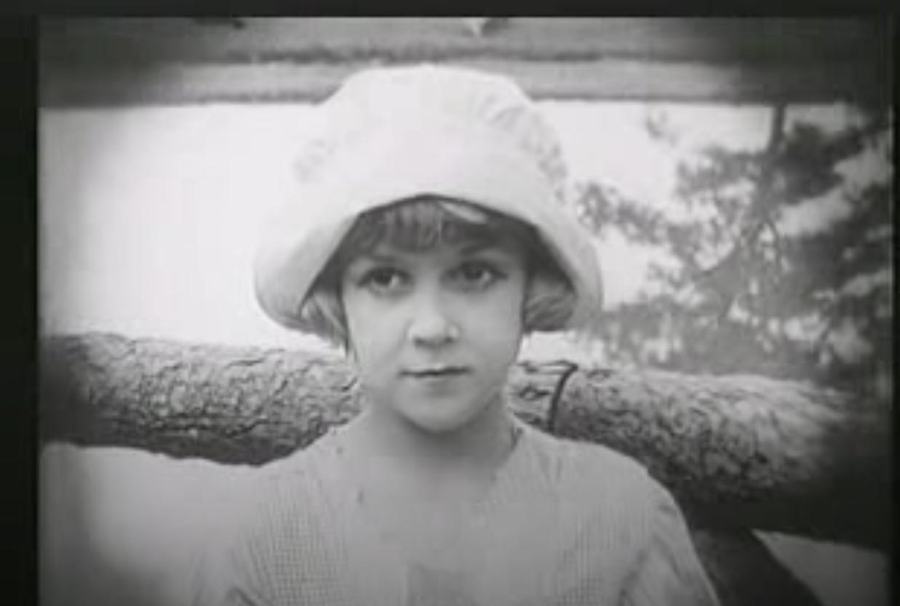
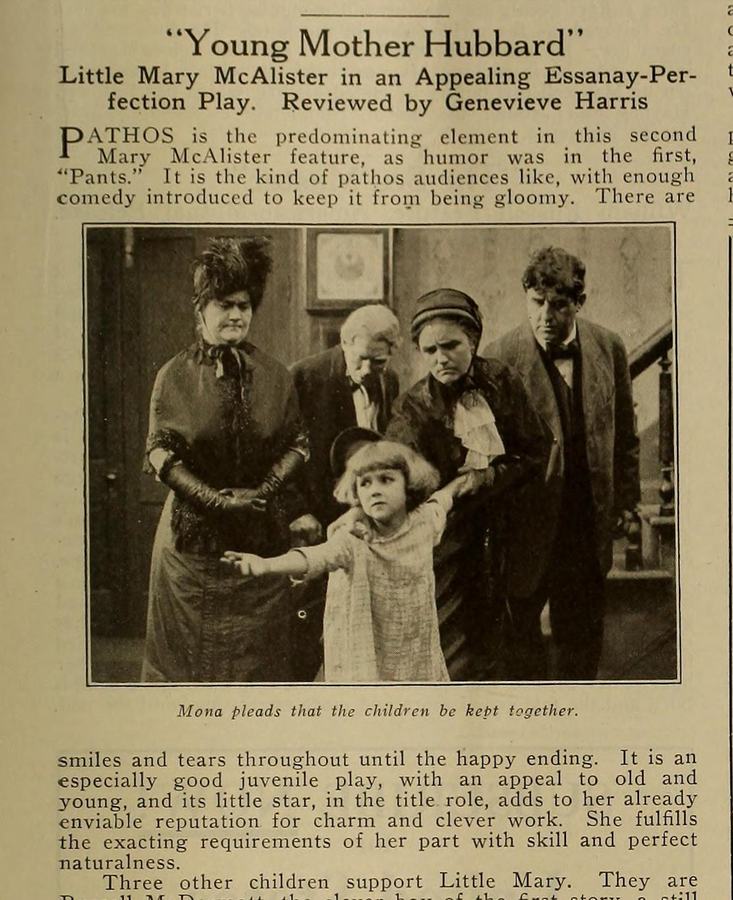
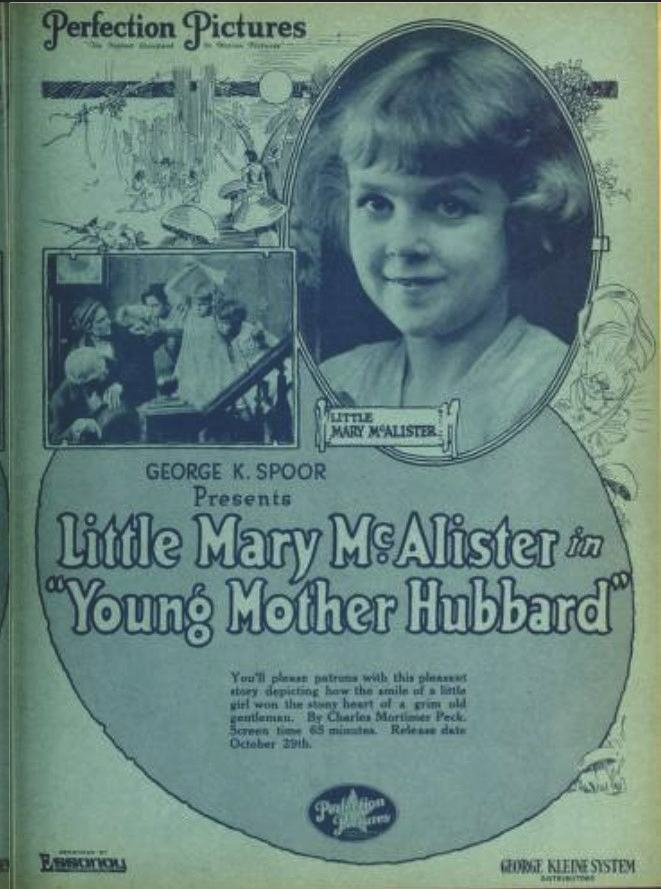
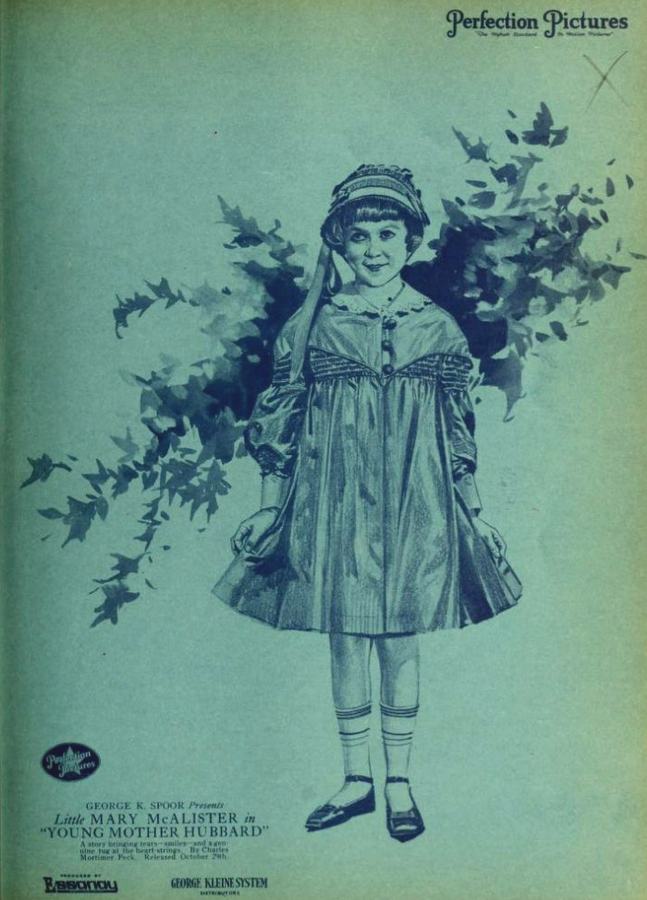
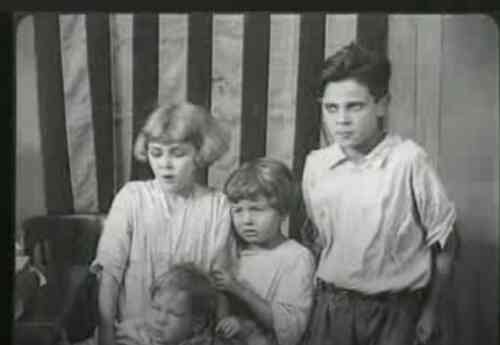
Forced by the death of her mother to care for her three brothers and sisters, little Mona Fairfax is known to farmers of her district as Young Mother Hubbard. The children's step-father, heavily in debt and tired of the burden imposed by the little family, abandons his farm, leaving the children, penniless, to shift for themselves. The following day Daniel Banning, a wealthy "country gentleman" and owner of the Fairfax farm, calls to collect back rent. He finds Mona and her children panic-stricken over a note left by their step-father, telling of his decision to leave. Banning turns a deaf ear to Mona's pleas that she be allowed to remain on the farm with her wards. He notifies the Children's Welfare Society. Directors of the society go to the farm, load them into an automobile, and take them to the society's headquarters. At headquarters the chairman calls for volunteers to take the children into their homes. A square-jawed woman, a miserly old man, a brutal fellow, with bull-dog features, and a ponderous, harsh, mannish looking women, each agree to take a child. When it dawns upon Mona and her brothers and sisters that they are to be separated they break into tears and beg piteously to be allowed to remain together. Their pleas are ignored. Finally Mona begs that they be allowed to spend a last night together on the Fairfax farm. The request finally is granted. That night Mona hitches the family horse to a rickety old wagon and the children set out to escape. They fall asleep and the horse stops near Banning's house. The housekeeper takes them in during the master's absence. When Banning returns he is furious. Mona offers him a wisp of flowers, which he scorns. Finally, however, the child's smile wins his heart and he cuddles her. Later when agents of the welfare society try to take the children, Banning drives them from his place, declaring he will adopt Young Mother Hubbard and her entire family.
Review Excerpt
"
The first thing you notice is the dust—every footstep on the Fairfax property raises a small, ochre ghost that hangs in the air like the soul of something recently deceased. Charles Mortimer Peck’s screenplay understands that dust is both witness and accomplice: it clings to hems, powders eyelashes, and powders moral certainties until they crumble. Mona Fairfax, barely taller than the stove she labours over, moves through this haze like a pilgrim who has forgotten what shrine she seeks. Her sho..."