DbcultAccessing Vault...
Film vs Film
Select two cult films to compare side by side.
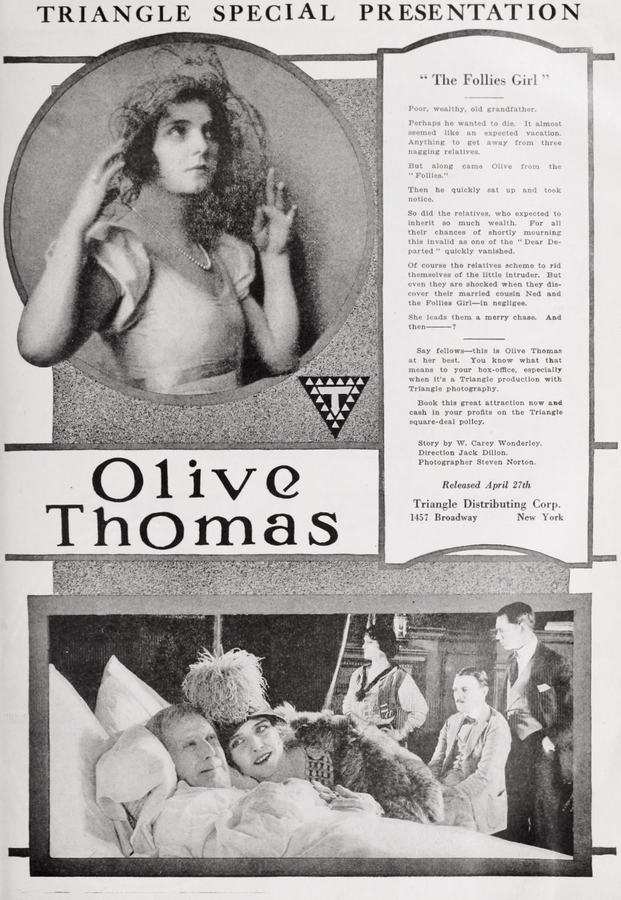
The Follies Girl Synopsis
The relatives of dying Edward Woodruff, Nina Leffingwell, her brother Frederic, and her cousin Basil, whom she wants to marry, scheme to inherit Woodruff's wealth. Since Woodruff continually calls for an imagined granddaughter, the child of his daughter who died before they could patch up a quarrel which estranged them, Nina gets Doll, a Follies girl, to impersonate the granddaughter, try to endear herself to Woodruff, and thus inherit the money. Doll would then be paid off and the relatives would get the inheritance. When Doll's administrations cause Woodruff to recover, Nina sends for Woodruff's grandson Ned, whom he disowned for marrying beneath him, hoping that Ned will send Doll away. When Ned seems to fall in love with Doll, Nina tells Woodruff that Ned and Doll are secretly meeting in the estate lodge. Woodruff investigates and finds that Doll and Ned are married and have a baby boy. Delighted, Woodruff forgives Ned.
The Key to Yesterday Synopsis
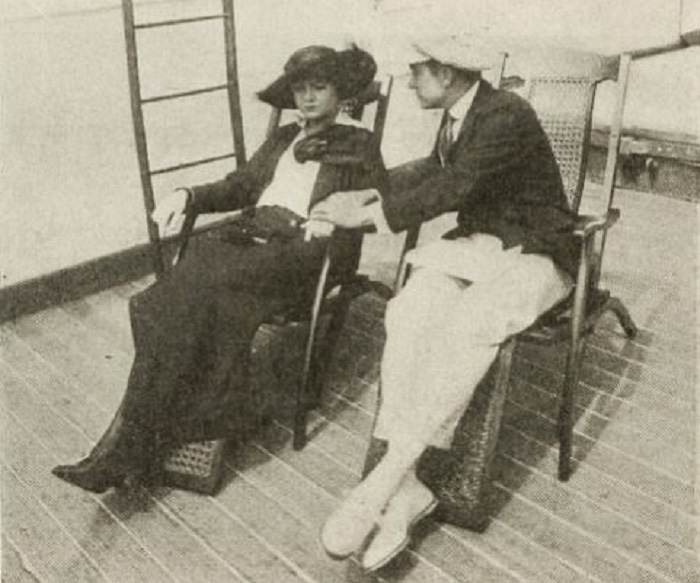
George Carter, a revolutionist in South America, is the exact double of Frederick Marston, a famous artist in Paris. Carter is betrayed by a comrade and is sentenced to be shot. He takes a desperate chance and escapes on board a vessel bound for London. In Paris Marston is stabbed by a model because he does not return her love. The wound incapacitates him from painting, and leaves an ugly scar, and he goes to America on a vacation. Highwaymen attack him, inflicting injuries which cause a total loss of memory. The robbers leave nothing in his pockets but the key to his Paris studio, and Marston adopts the name of Robert Anglo-Saxon. Five years later he falls in love with Duska Filson, a noted beauty, and at a dinner given by her he meets Gen. Robero, a South American ambassador, the man who condemned Carter to death. Robero believes Saxon is Carter and writes Saxon a letter warning him that if he marries Duska he will have Saxon extradited to South America and shot. Robero convinces him that he is Carter and Saxon goes to South America to pay the penalty of the crimes he believes himself guilty of. On the boat he meets Rodman, Carter's betrayer. Duska follows Saxon to South America and learns that Saxon has proven his innocence and departed two days before. She sends him a wireless and he has the ship stopped and lands at Puerto Frio, and learns that the revolution has broken out. In fighting his way through the lines he is shot and is placed on board a vessel bound for France by Rodman. Rodman tells Duska what has occurred and she follows Saxon to France. Saxon's mind clears and through the medium of the key which fits the lock of his house his identity is clearly established. Duska learns that Saxon is the world-renowned artist and his a wife who is very ill. When Saxon reaches his home he finds Duska at the bedside of his wife, who has just died. Duska respects Saxon's grief and departs, with her dream of happiness shattered.
"The Follies Girl" holds a slight edge in general audience appreciation, but "The Key to Yesterday" offers its own unique cult appeal.
Suggested Watch:
The Follies Girl