Summary
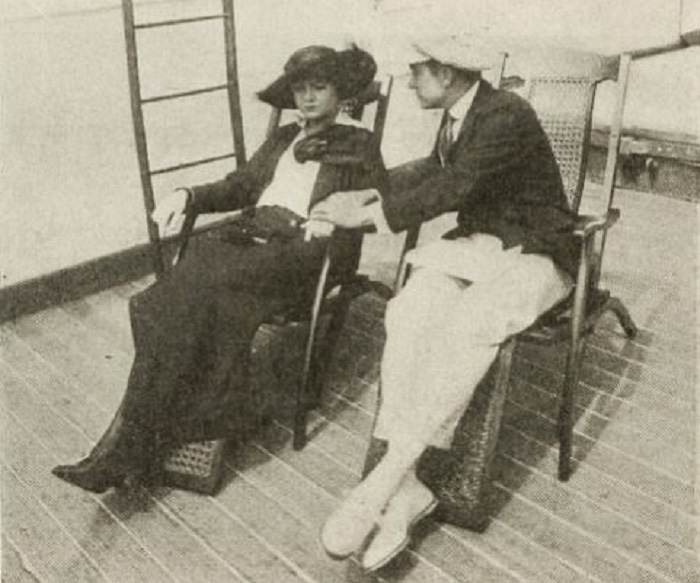
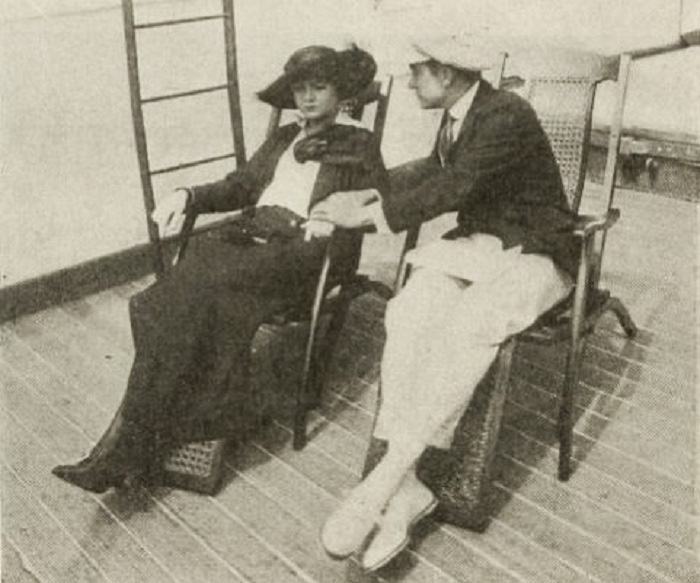
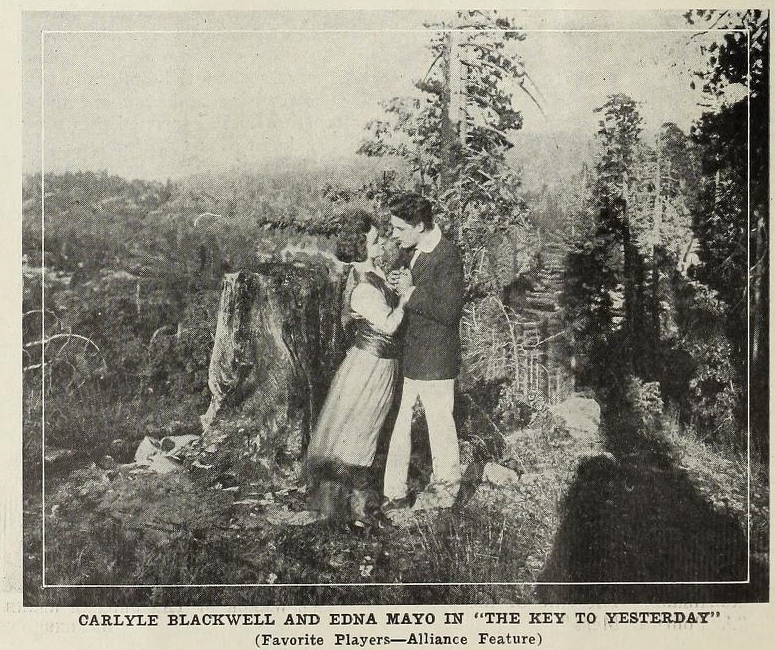
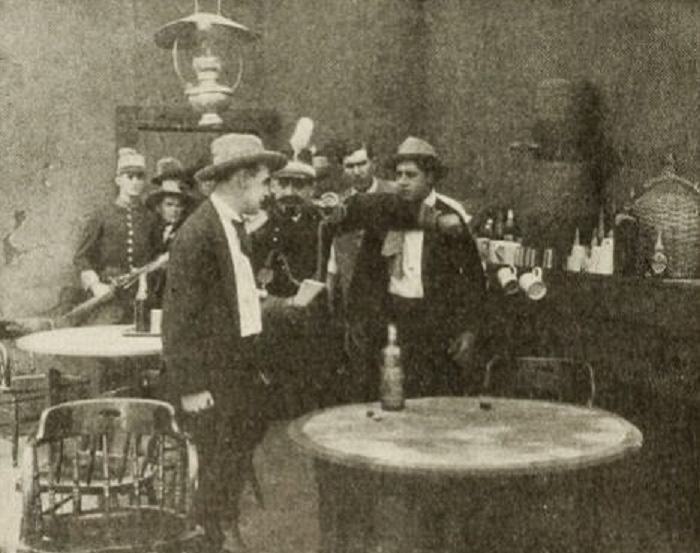
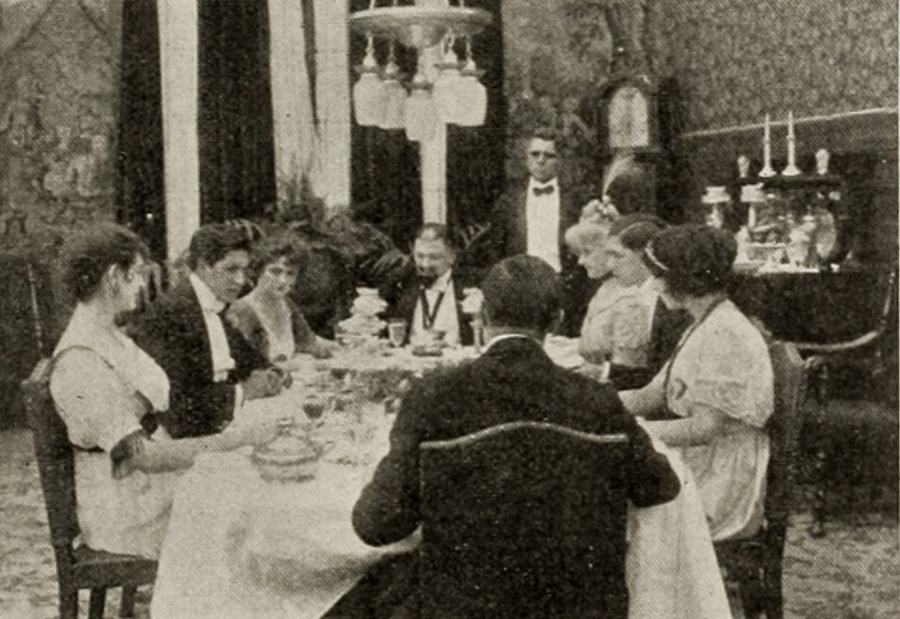
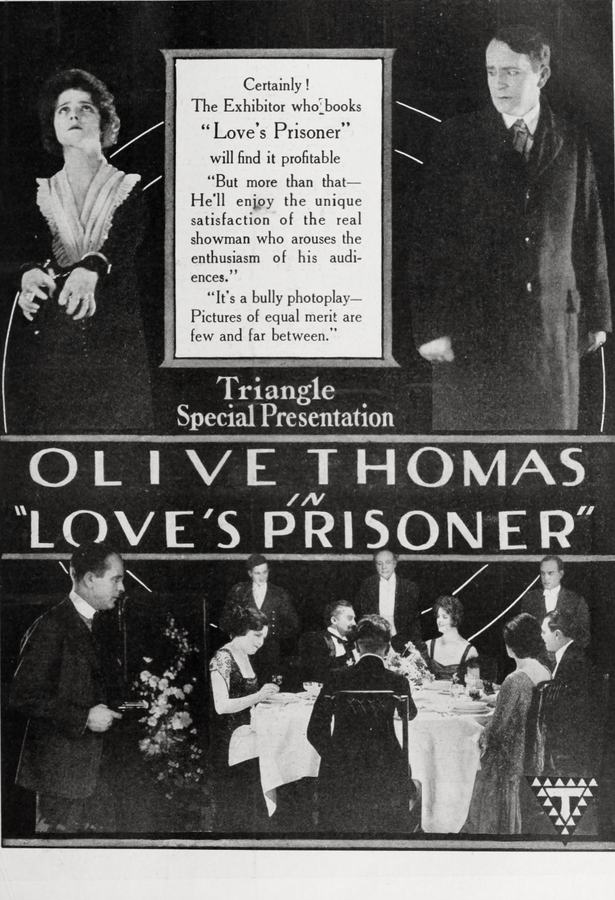
Two men, one visage: George Carter, the firebrand inciting insurrection beneath equatorial palms, and Frederick Marston, the Parisian aesthete coaxing virginal light onto canvas. A firing squad’s drumroll drives Carter through mangrove night onto a tramp steamer; at the same instant, a spurned model’s stiletto rakes Marston’s face, branding him with a crimson sickle that ends his ability to hold a brush. Amnesiac, nameless, Marston drifts to America where bandits strip him to a single brass key—skeleton-bit to a garret he no longer remembers. Five seasons of fog later, calling himself Robert Anglo-Saxon, he adores Duska Filson, society’s comet, only to have General Robero—the very hangman who once ordered Carter’s death—recognize the revolutionary’s face beneath the scar. Blackmail inked in diplomatic courtesy: marry her and the extradition papers fly. Convinced he is the guilty ghost of Carter, Saxon boards a steamer south, escorted ironically by Rodman, the Judas who once sold Carter to the guns. Duska pursues; telegraph wires hum; a revolution erupts like toucans scattering scarlet berries. A bullet meant for history fells Saxon; Rodman, conscience flaring, ships the wounded man to France. The key clicks home in a rusted lock, memory floods back, palette knives glitter. Duska arrives in Paris to find Marston’s legitimate wife expiring, a deathwatch haloed by morphine and Renoir dusk. The widow’s last breath vacates the marital throne; Duska retreats, happiness cauterized by decency.
Synopsis
George Carter, a revolutionist in South America, is the exact double of Frederick Marston, a famous artist in Paris. Carter is betrayed by a comrade and is sentenced to be shot. He takes a desperate chance and escapes on board a vessel bound for London. In Paris Marston is stabbed by a model because he does not return her love. The wound incapacitates him from painting, and leaves an ugly scar, and he goes to America on a vacation. Highwaymen attack him, inflicting injuries which cause a total loss of memory. The robbers leave nothing in his pockets but the key to his Paris studio, and Marston adopts the name of Robert Anglo-Saxon. Five years later he falls in love with Duska Filson, a noted beauty, and at a dinner given by her he meets Gen. Robero, a South American ambassador, the man who condemned Carter to death. Robero believes Saxon is Carter and writes Saxon a letter warning him that if he marries Duska he will have Saxon extradited to South America and shot. Robero convinces him that he is Carter and Saxon goes to South America to pay the penalty of the crimes he believes himself guilty of. On the boat he meets Rodman, Carter's betrayer. Duska follows Saxon to South America and learns that Saxon has proven his innocence and departed two days before. She sends him a wireless and he has the ship stopped and lands at Puerto Frio, and learns that the revolution has broken out. In fighting his way through the lines he is shot and is placed on board a vessel bound for France by Rodman. Rodman tells Duska what has occurred and she follows Saxon to France. Saxon's mind clears and through the medium of the key which fits the lock of his house his identity is clearly established. Duska learns that Saxon is the world-renowned artist and his a wife who is very ill. When Saxon reaches his home he finds Duska at the bedside of his wife, who has just died. Duska respects Saxon's grief and departs, with her dream of happiness shattered.
Review Excerpt
"
p{margin-bottom:1.2rem;text-align:justify;}
blockquote{border-left:4px solid #EAB308;padding-left:1rem;margin:1.5rem 0;font-style:italic;color:#EAB308;font-size:1.05rem;}
a{color:#0E7490;text-decoration:none;font-weight:600;}a:hover{color:#EAB308;text-decoration:underline;}
strong{color:#C2410C;font-weight:700;}
ul{list-style:square inside;margin-bottom:1rem;color:#EAB308;}li{margin-bottom:.4rem;}
hr{border:none;height:2px;background-image:linear-gradient(to right,#C2410C,#0E7490,#EAB308);marg..."