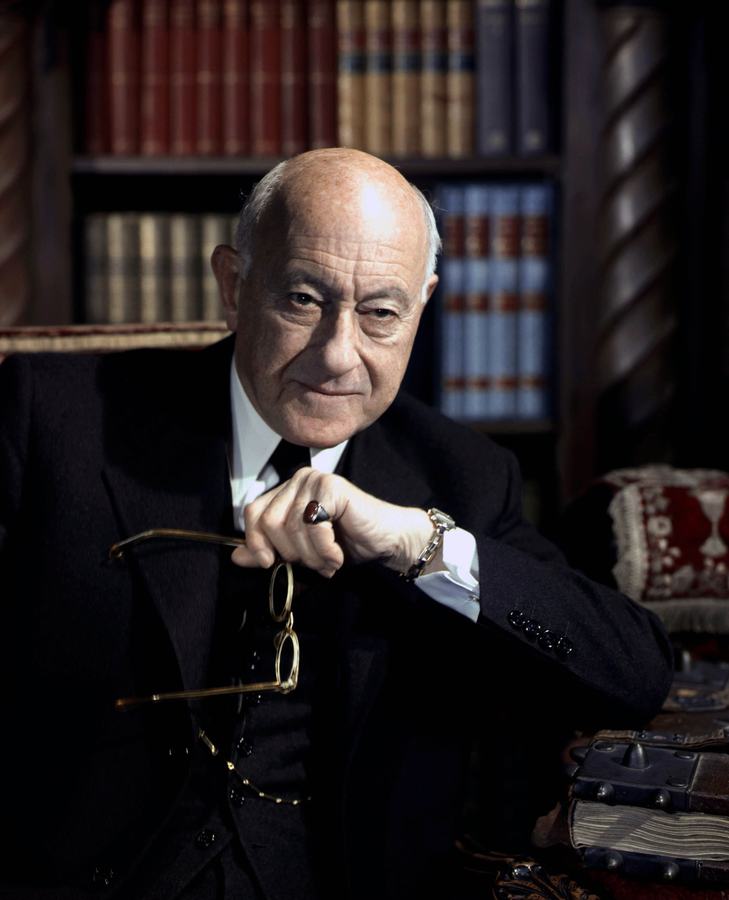
Cecil B. DeMille
director, editor, producer
- Birth name:
- Cecil Blount DeMille
- Born:
- 1881-08-12, Ashfield, Massachusetts, USA
- Died:
- 1959-01-21, Hollywood, Los Angeles, California, USA
- Professions:
- director, editor, producer
Biography
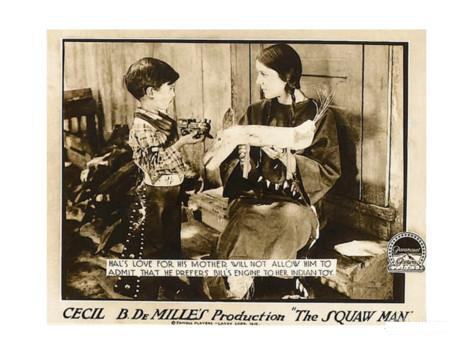
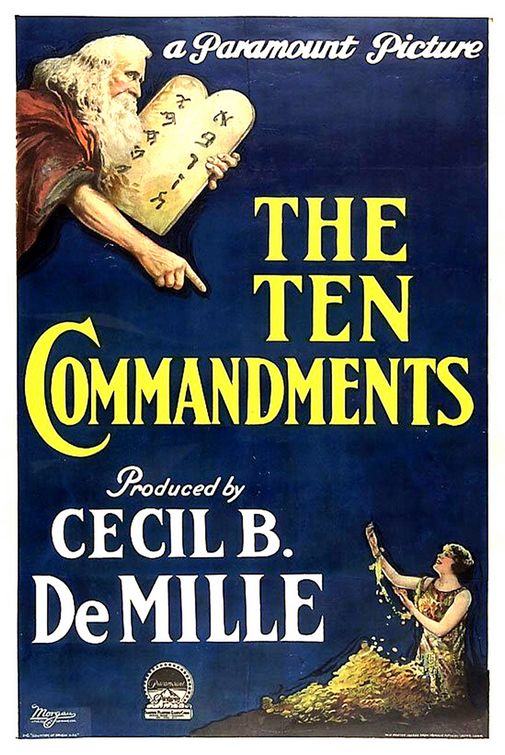
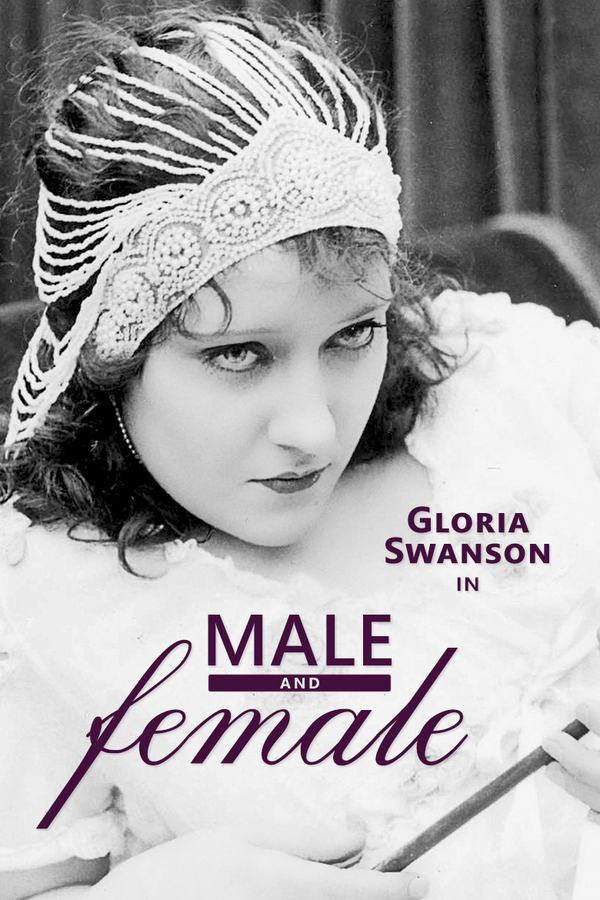
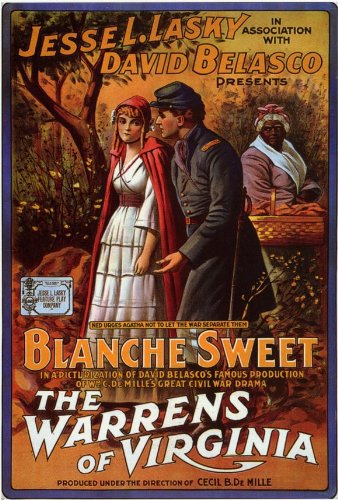
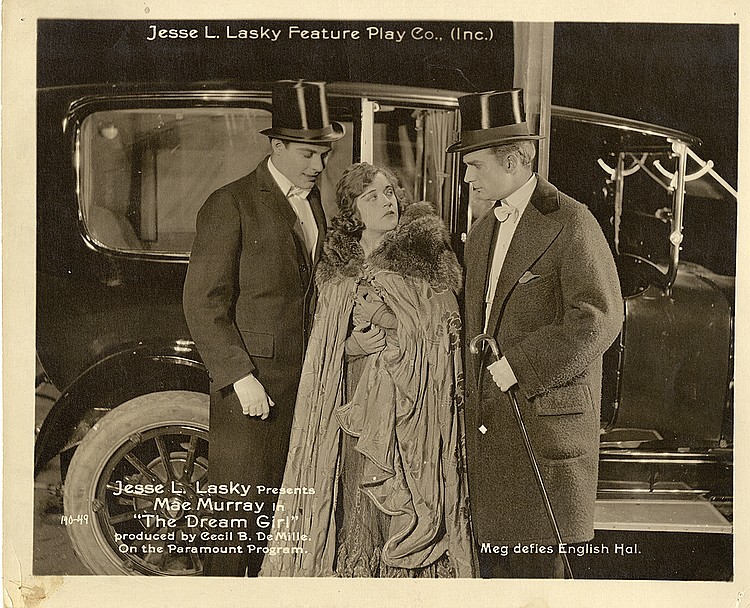
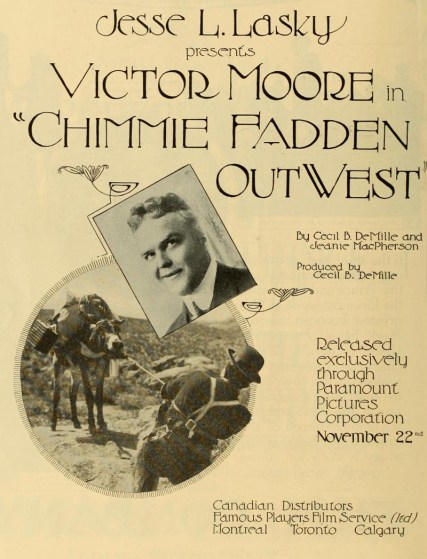
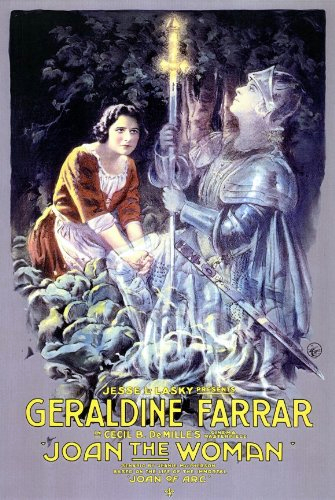
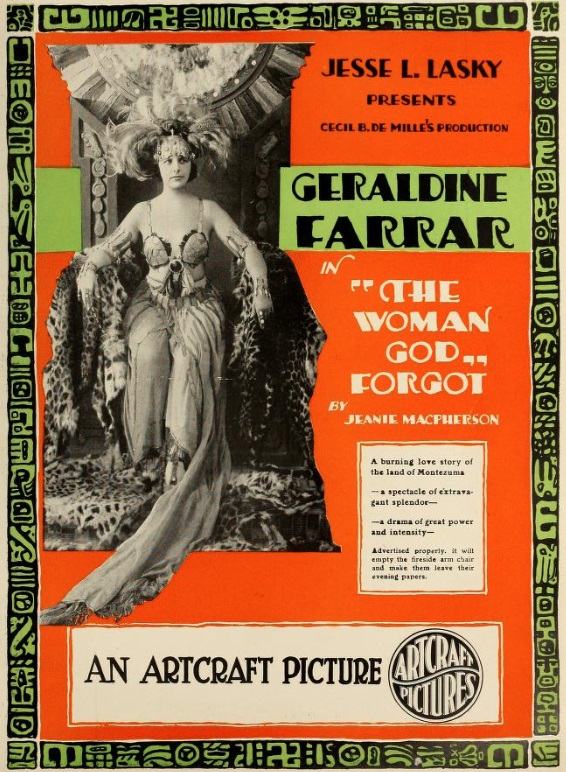
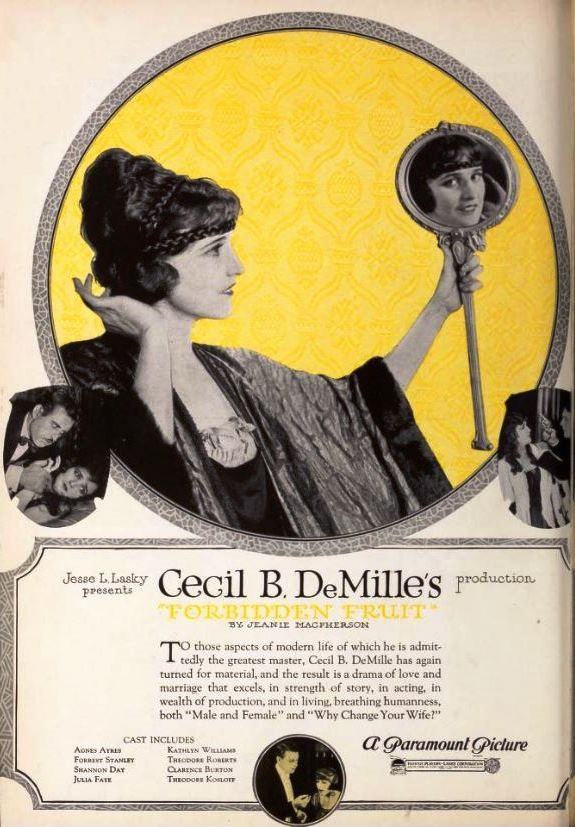
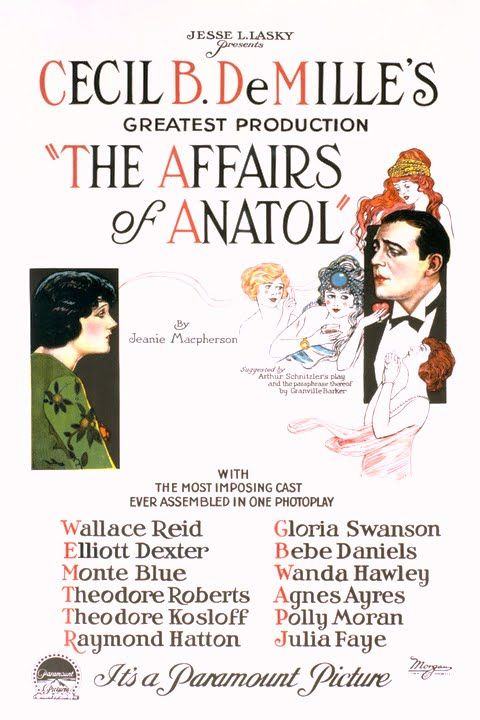
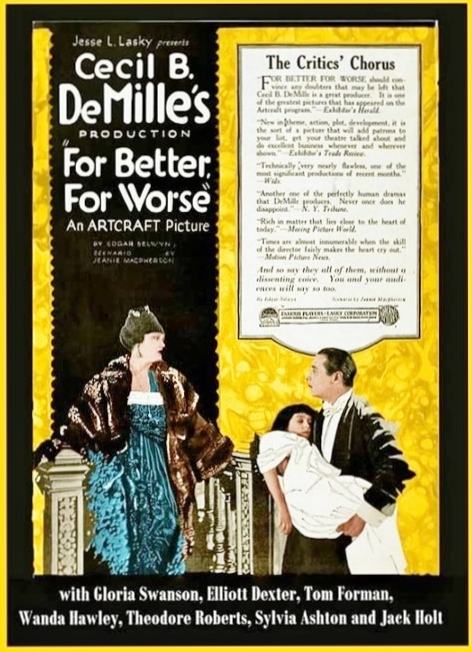
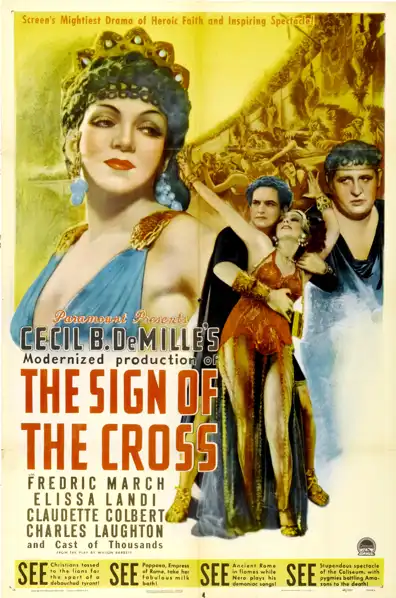
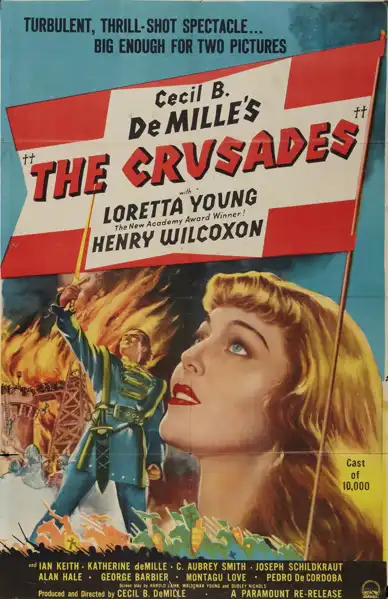
"Born to the world of words and drama, Cecil B. DeMille was the son of playwrights Henry C. and Beatrice DeMille. Tragedy struck early when his father passed away, leaving Beatrice to single-handedly sustain the family. Her ingenious solution: establishing a girls' school and a theatrical company, laying the groundwork for Cecil's own path. Barred from the Spanish-American War due to his youth, Cecil instead pursued the stage, joining his brother William C. de Mille at the New York Academy of Dramatic Arts and making his theatrical debut in 1900. For over a decade, he honed his craft and leadership skills as the actor-manager of his mother's flourishing theatrical troupe. The year 1913 marked a pivotal turn: DeMille co-founded the Lasky Film Company with Jesse L. Lasky and Samuel Goldwyn, a venture that would, in time, evolve into the cinematic giant, Paramount Pictures. The following year, a westward journey to California birthed The Squaw Man (1914), a six-reel triumph historically recognized as the first feature-length film ever produced in Hollywood. DeMille not only championed the transition from short subjects to epic narratives but is widely credited with cementing Hollywood's status as the global epicenter of motion pictures. His strategy defied convention: rather than relying on established marquee names, he poured resources into lavish production values. This approach, ironically, also cultivated new luminaries, most notably the iconic Gloria Swanson. With a staggering output, he produced and directed 70 films, contributing to countless others. While a significant portion of his early work comprised romantic, often risqué, comedies – reflecting his purported belief that Americans were primarily driven by money and sex – his legacy would ultimately be defined by grander visions. It was his monumental biblical and religious epics that truly captured the public imagination: Joan the Woman (1916), the groundbreaking The Ten Commandments (1923) and its iconic 1956 remake, The King of Kings (1927), The Sign of the Cross (1932), The Crusades (1935), and Samson and Delilah (1949). From 1936 to 1945, he extended his influence to the airwaves, hosting and directing the hour-long \"Lux Radio Theatre,\" a popular program that transplanted movie stars and narratives to radio, solidifying his status as the very embodiment of Hollywood. His iconic status was immortalized when he appeared as himself in the classic Sunset Boulevard (1950), sharing the screen once more with his former protégé, Gloria Swanson, who delivered an unforgettable performance as the fictional, troubled silent film diva Norma Desmond. The family's artistic lineage continued with his niece, Agnes de Mille, the acclaimed choreographer behind both the original Broadway production and the 1955 film adaptation of Oklahoma!"
Filmography
Directed (55)