
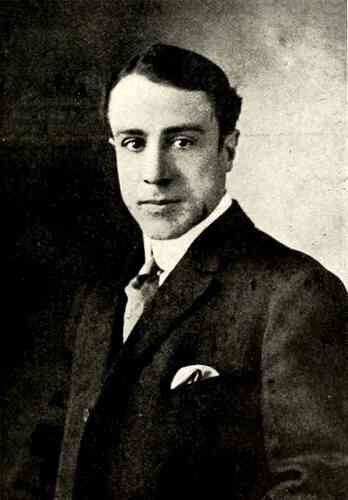
Charles Simone
director, editor, writer
- Born:
- 1874-11-18, Castellana, Italy
- Professions:
- director, editor, writer
Biography
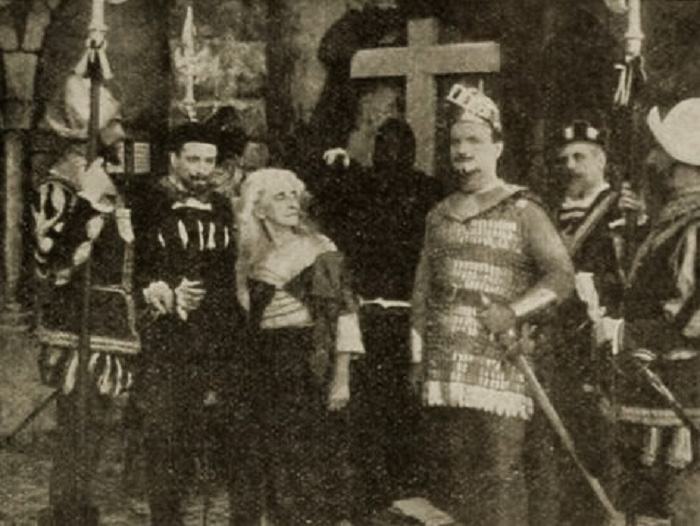
A 13-year-old from the heel of Italy, Carlo Simone stepped off a New York pier in 1887, cassock-bound dreams in his suitcase. By twenty he had traded the seminary for the spotlight, spouting iambic pentameter beside Eleonora Duse in “Il Conte san Germano” at the National Theatre, 1903, then steering his own repertory troupe up and down the Atlantic seaboard, writing the sketches that kept the troupe fed and the audiences cheering. When flickering images began to outrun footlights, Simone sprinted ahead of the reel. He signed on with Nestor in 1909 as press agent, quickly graduated to general manager, and oversaw the rise of a brick-and-glass studio on the mudflats of Bayonne, New Jersey. While the Motion Picture Distributing and Sales Company rewrote the rules, he sat at the board table making sure his voice carried. The birth of Universal lured him west: he built its first still-and-poster department from scratch, then birthed the scenario office, plotting the stories that would feed the young giant. Spotting the feature tidal wave before it broke, he jumped to Venus Features to orchestrate sales and ballyhoo. Secretary-treasurer of Centaur Film back in Bayonne, he argued the future lay 3,000 miles farther west; when the company finally shipped out to California, he followed, trading bookkeeping for bullhorns and cameras. There he mounted velvet-and-armor epics—“Il Trovatore” and “The Gypsy Life”—and animated the nation’s first continuing cartoon mischief-makers, “Desperate Desmond” and “Mutt and Jeff.” Between ledgers he penned “In Life’s Cycle,” handed it to D. W. Griffith, and watched the master turn it into shadows. Laemmle kept him at Universal’s publicity helm until the late ’20s, then Fox and United Artists sent him touring Europe as foreign-exchange czar, Rome office letterhead reading “Direttore Generale.” He sailed home to Bergenfield, New Jersey, still scribbling, still politicking, still recording minutes for the local Democratic club he had served since its first handshake. From altar boy to apostle of celluloid, Charles Simone never let the curtain fall until 1931.
Filmography
Directed (1)
Knowledge Base
Frequently Asked Questions about Charles Simone
Community
Comments
Log in to comment.