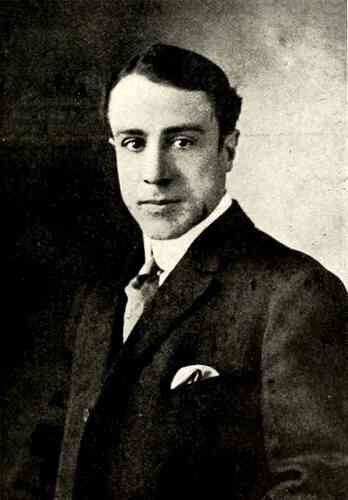
Charles Simone, Antonio García Gutiérrez, Salvatore Cammarano
United States
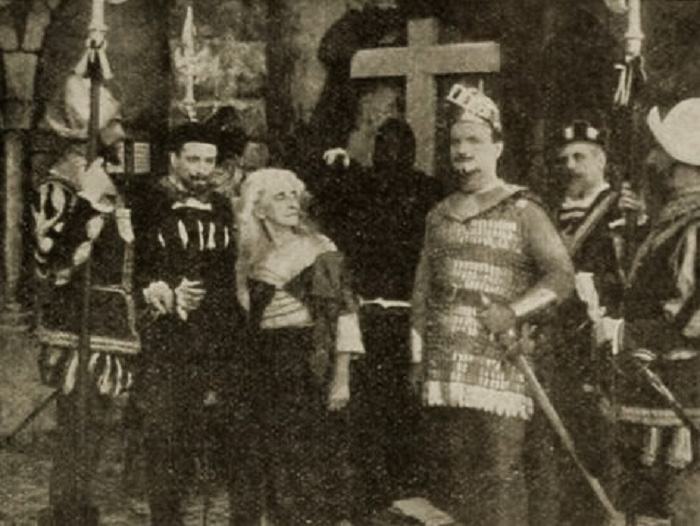
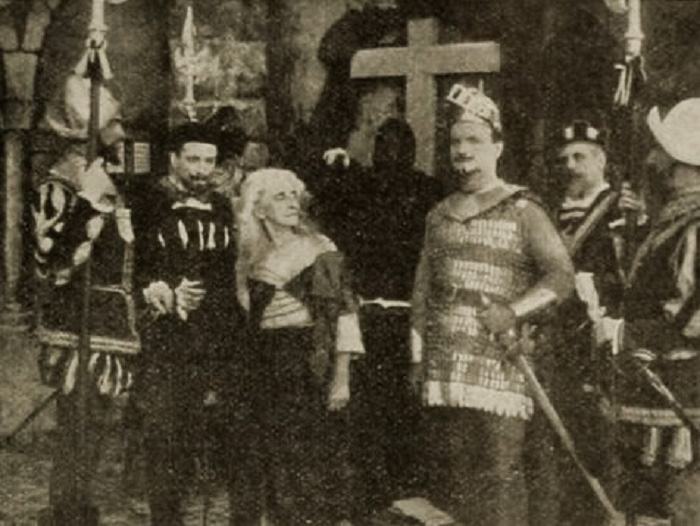
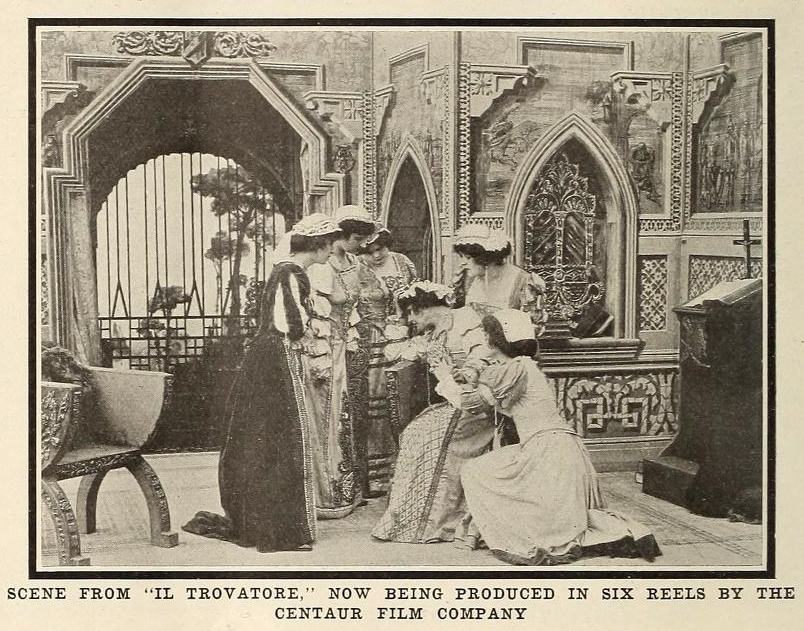
The flickering nitrate of 1915 coughs up Il trovatore like a blood-soaked aria on mute: a silent opera that refuses to stay silent inside your skull. Forget intertitles—every close-up is a stanza, every iris a guillotine of revelation. M.E. Hannefy’s Azucena doesn’t merely act; she carves charcoal sigils into the came...
still_frame
still_frame
Community
Log in to comment.
" The flickering nitrate of 1915 coughs up Il trovatore like a blood-soaked aria on mute: a silent opera that refuses to stay silent inside your skull. Forget intertitles—every close-up is a stanza, every iris a guillotine of revelation. M.E. Hannefy’s Azucena doesn’t merely act; she carves charcoal sigils into the camera lens with eyes that have watched a century pass before breakfast. When she cradles the infant Manrico, the cradle becomes a reliquary; when she flings him toward the gypsy flame..."
Deep dive into the cult classic
Discover similar cinematic experiences
A Directorial Spotlight on Charles Simone
