Hobart Bosworth
actor, director, writer
- Birth name:
- Hobart Van Zandt Bosworth
- Born:
- 1867-08-11, Marietta, Ohio, USA
- Died:
- 1943-12-30, Glendale, California, USA
- Professions:
- actor, director, writer
Biography
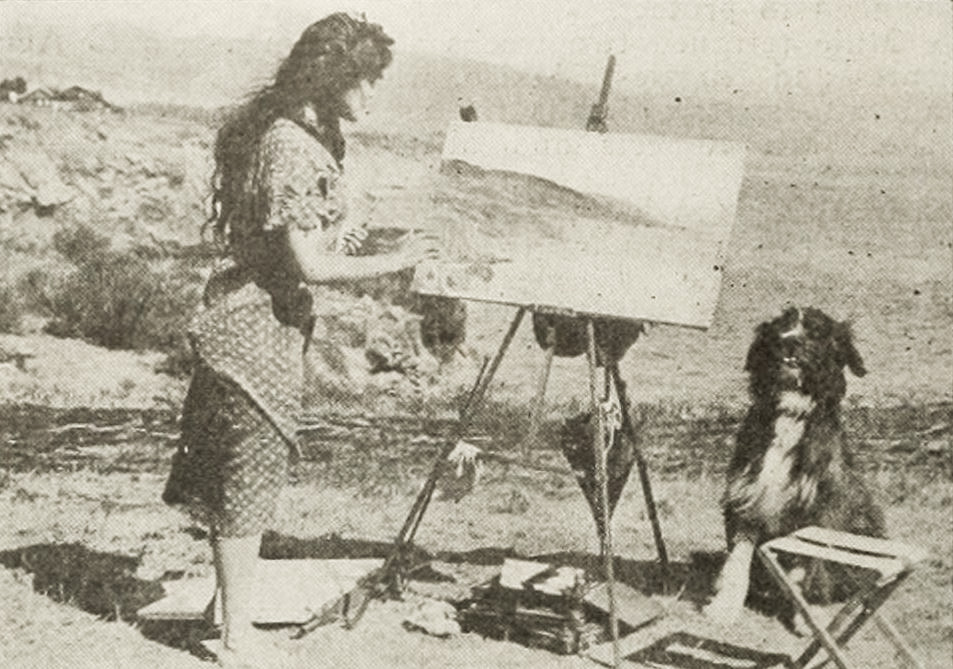
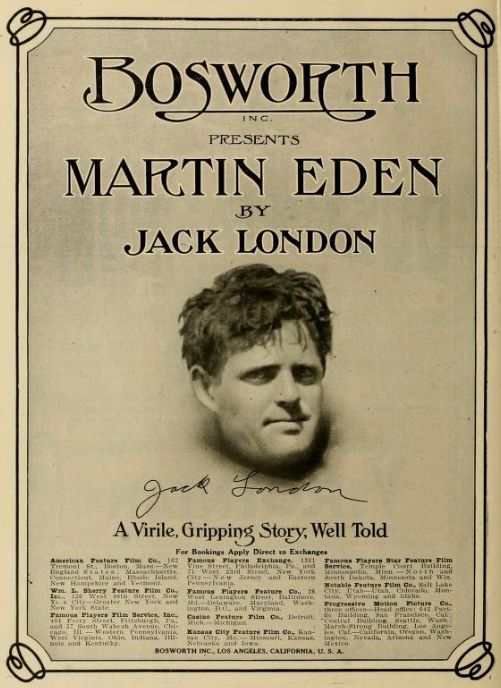
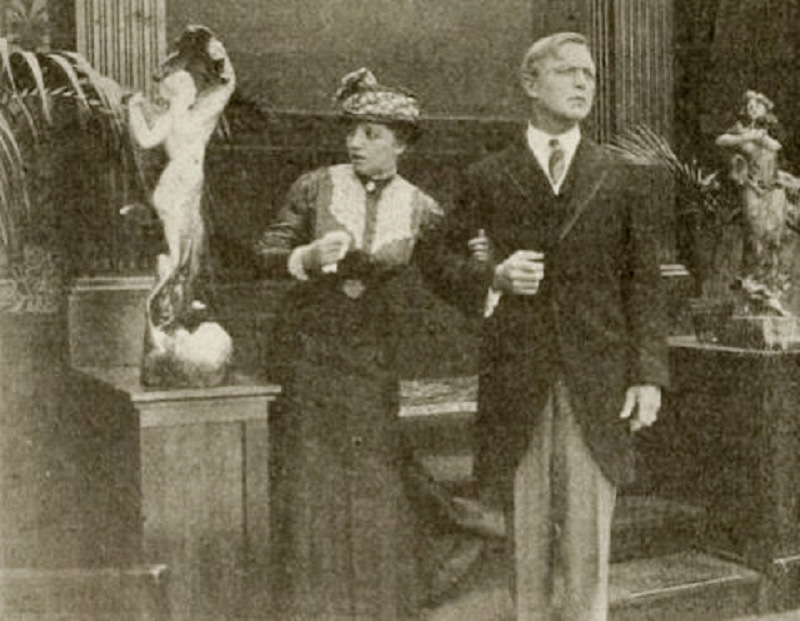
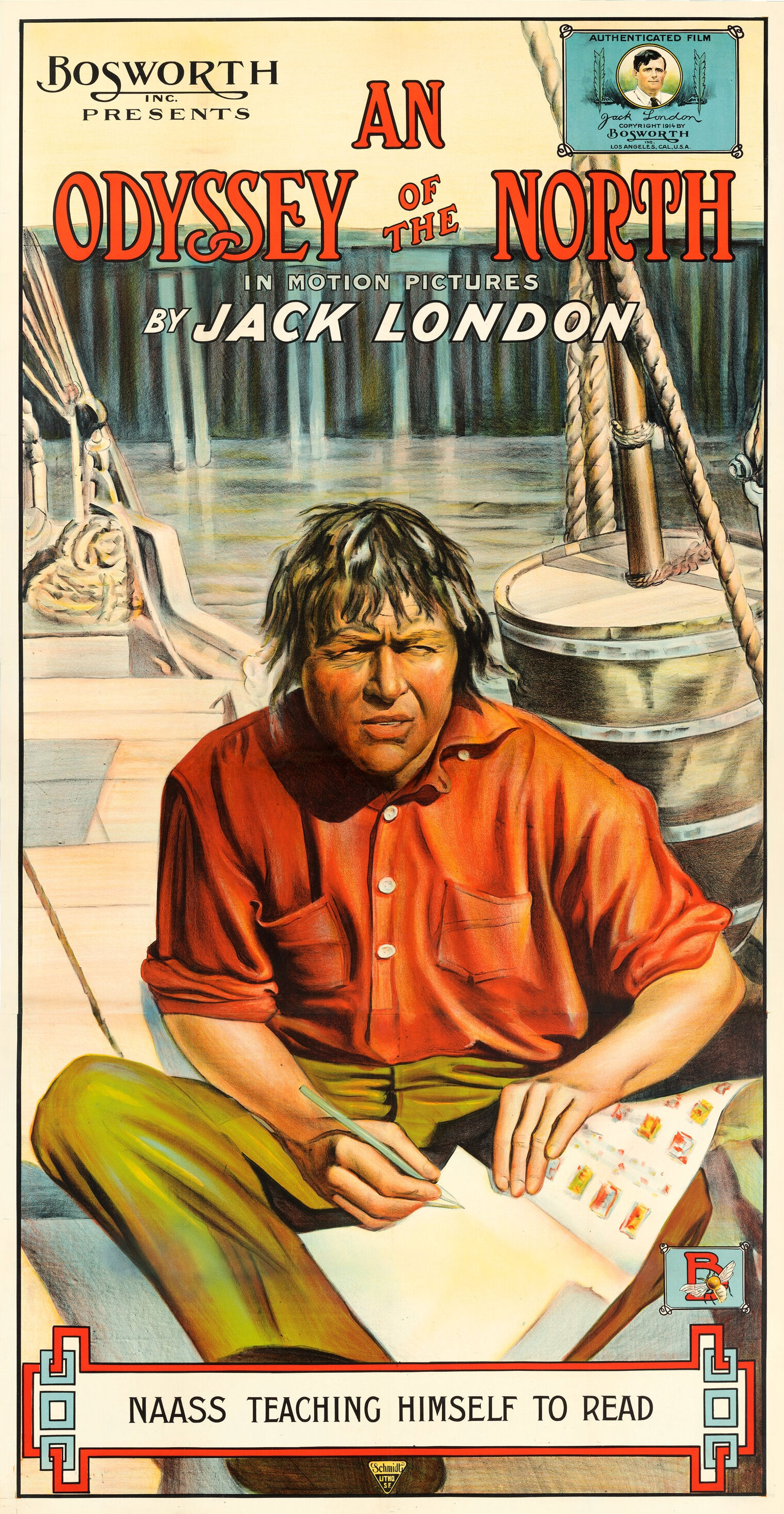
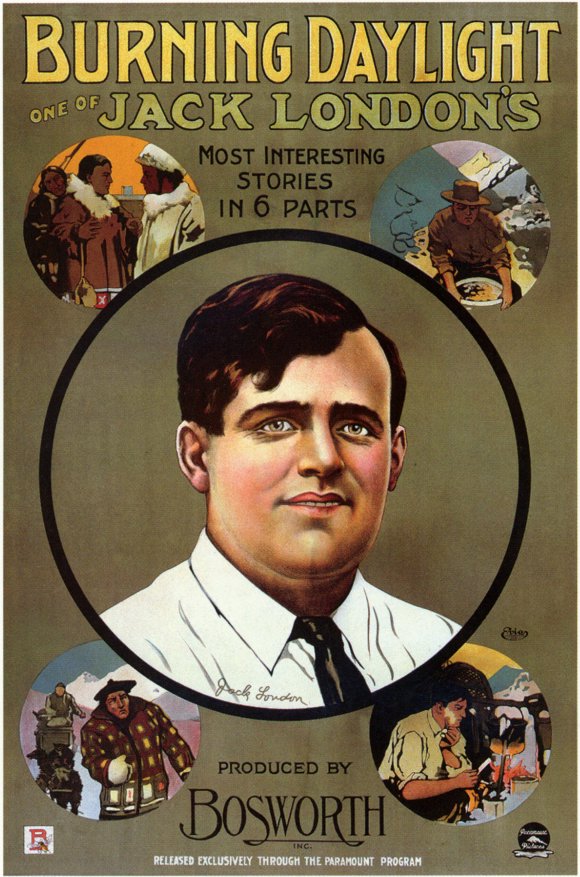
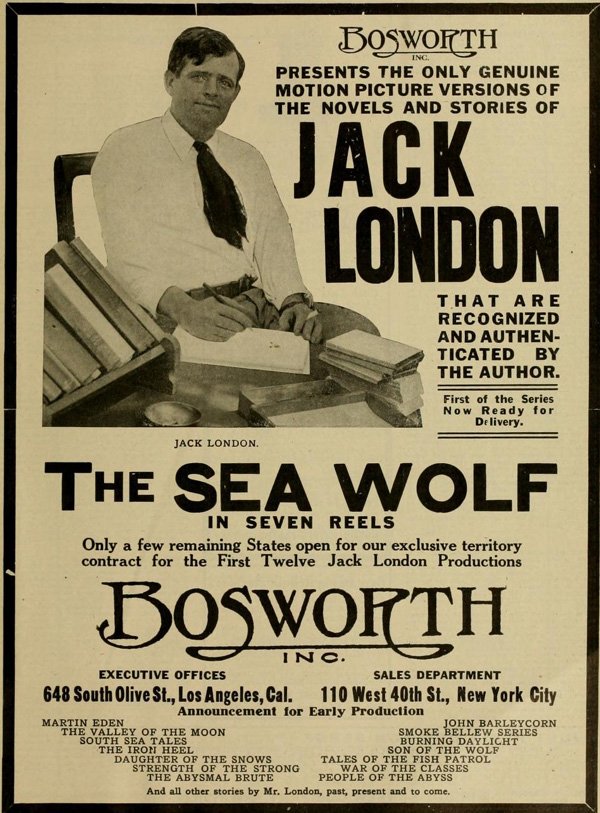
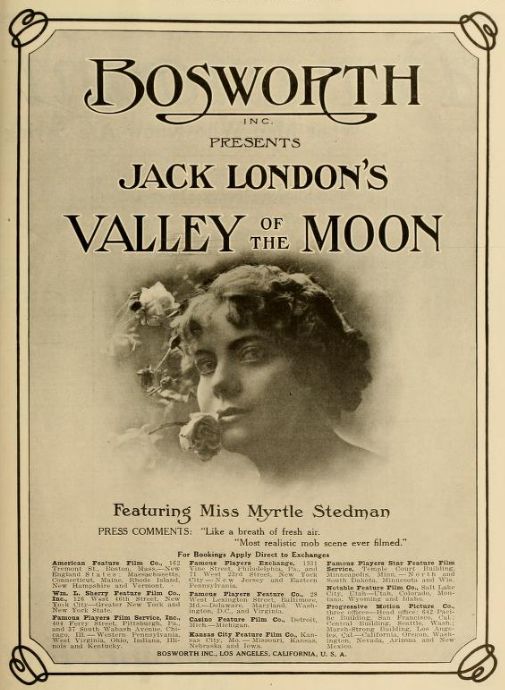
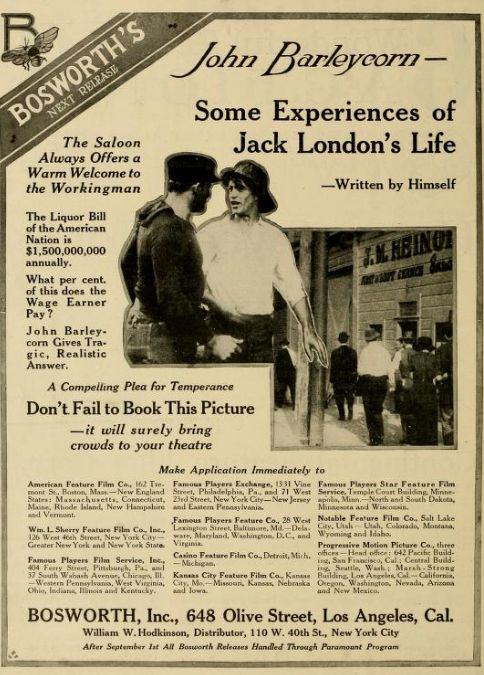
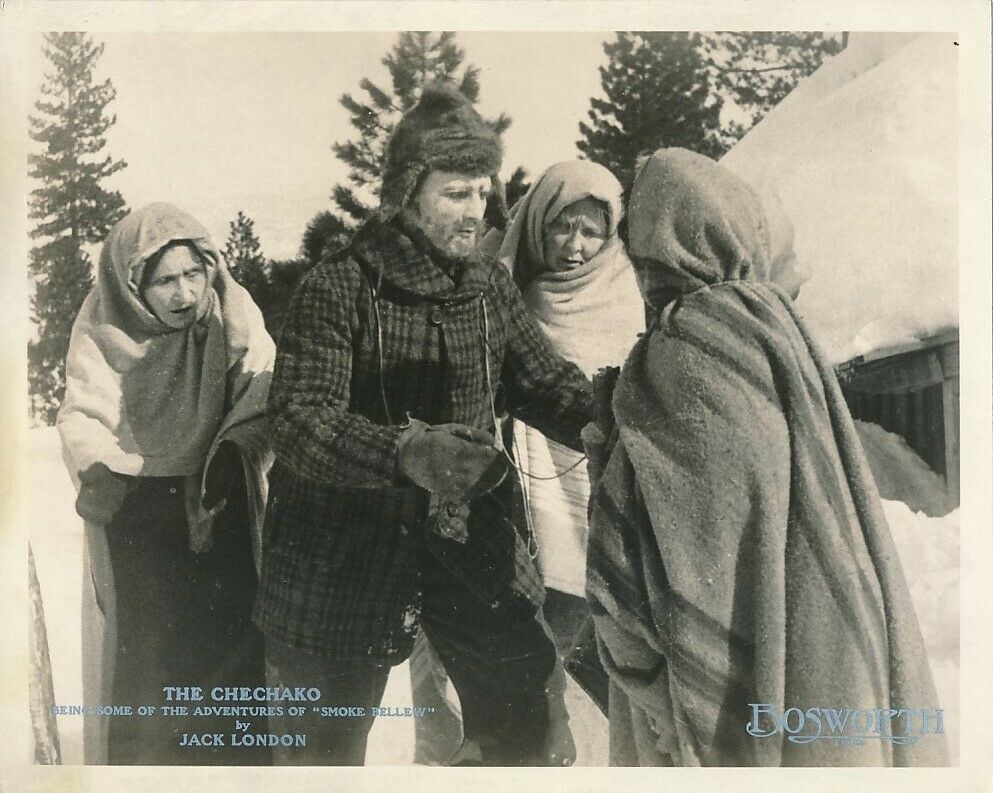
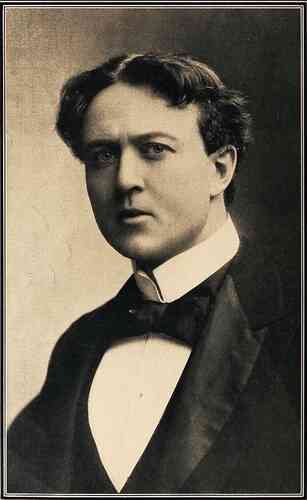
Hobart Van Zandt Bosworth burst into the world on 11 August 1867 in Marietta, Ohio, carrying Mayflower grit on his father’s side and Dutch-rebel blood from New York’s first Van Zandt settlers on his mother’s. Orphaned early, he clashed with a new step-mother and, at fourteen, bolted to New York Harbor, signing as cabin boy on the clipper Sovereign of the Seas. Five months later he stepped onto San Francisco’s wharves, pockets jingling with candy money, fell asleep on a Trinity Church bench and woke to the organ of the uncle he never knew he had. Three Arctic seasons, a whaler, stevedore stints, prize-ring bruises, ranch work in Baja, and expert horsemanship followed before paintbrushes—and empty pockets—steered him indoors to the California Theatre as McKee Rankin’s stage manager. One night an actor failed to appear; Bosworth, eighteen, mauled three Shakespearean lines, survived the laughter, and stayed. By 1887 he had tackled nearly every major Shakespeare role, confessing later that his Macbeth was “the worst ever inflicted on an audience.” A detour to a Utah silver mine—pushing ore wagons for oxygen and cash—ended when he became assistant to magician Hermann the Great and toured Mexico. In a dusty plaza he met the father he had not seen since childhood; the man sized up the six-foot youth and conceded, “Hum! I couldn’t lick you now, son.” They never met again. Augustin Daly imported him to New York in December 1888 as Charles the Wrestler in As You Like It and kept him for a decade of European tours. Julia Marlowe finally handed him star-billing, but applause turned to hemorrhaging lungs; tuberculosis exiled him from indoor stages forever. Seeking desert air, he convalesced in Tempe, Arizona, until Hollywood’s open skies beckoned. In 1908 Selig Polyscope aimed a camera at him outdoors—no voice required—and Bosworth crowed, “Pictures have saved my life.” He shepherded Selig to Los Angeles, starred in what many call the first West-Coast shoot, and earned the unofficial crown “Dean of Hollywood.” Between acting jobs he scribbled 112 scripts and produced 84 shorts, devouring Jack London’s rugged tales because studios—and his lungs—were still breezy places. 1913 saw him incorporate Hobart Bosworth Productions Co. to film London’s The Sea Wolf, with the author himself swaggering across the deck as a sailor. Over the next eight years he delivered thirty-one features—most starring, writing, directing and often producing himself—ending with The Sea Lion in 1921. Paramount absorbed the lot in 1916, and Bosworth, company swallowed, returned to character work: silver-haired fathers, judges, generals, an occasional villain. He slipped seamlessly into talkies—first heard in Vitaphone one-reeler A Man of Peace (1928) and seen in General Crack (1929)—and kept turning up in classics: The Big Parade, A Woman of Affairs, Abraham Lincoln, Dirigible, Lady for a Day, Steamboat Round the Bend. Serials cast him as Chingachgook; science-fiction cast him in Just Imagine; Poverty Row cast him in anything with a horse, a hymn or a hanging. He logged 250-plus screen credits, directed forty-four known films, wrote twenty-seven, produced eleven—likely many more—and was still donning clerical collars for Barbara Stanwyck in 1942’s The Gay Sisters before riding into the sunset in Universal’s Sin Town. Pneumonia, not the cameras, finally stopped him on 30 December 1943 in Glendale, California. He was seventy-six, survived by wife Cecile and son George, leaving behind a life that had roamed from clipper ship to soundstage and helped haul an entire industry westward.
Filmography
Directed (15)