Summary
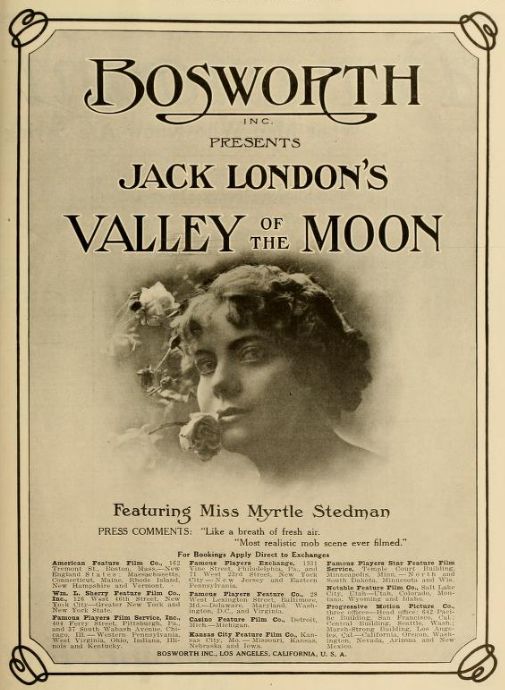
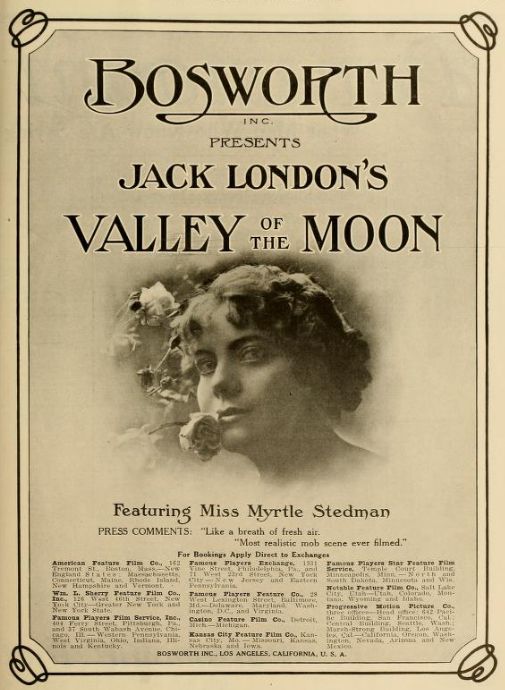
In 'The Valley of the Moon,' Jack London’s agrarian-socialist philosophy is transmuted into a visceral cinematic odyssey that explores the necrotic influence of industrialization on the human spirit. The narrative initiates within the gritty, soot-stained confines of Oakland, where Billy Roberts, a brawny pugilist-teamster, and Saxon, a resilient laundry worker, find a spiritual resonance in their shared pioneer lineage. Their initial domesticity, a fragile enclave of warmth, is violently dismantled by a seismic labor strike. This sequence, executed with a cast of thousands, serves as a brutalist depiction of class warfare, culminating in the traumatic death of their friend Bert and Billy’s subsequent incarceration. The film pivots from this urban purgatory to a pastoral pilgrimage as Saxon, galvanized by a vision of ancestral reclamation, leads Billy away from the smog-choked Bay Area. Their peripatetic journey takes them through the bohemian sanctuary of Carmel, introducing the 'Abalone Eaters' and testing Billy’s mettle in a frantic boxing match. Ultimately, the couple ascends to a panoramic vista of Sonoma—the eponymous Valley of the Moon—where the soil offers a transformative redemption, culminating in a secret shared in the verdant silence of Wildwater Canyon.
Synopsis
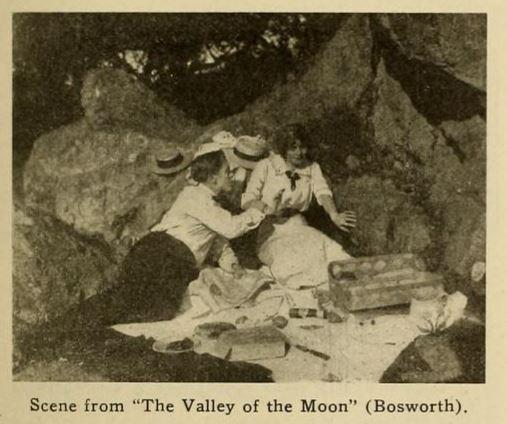
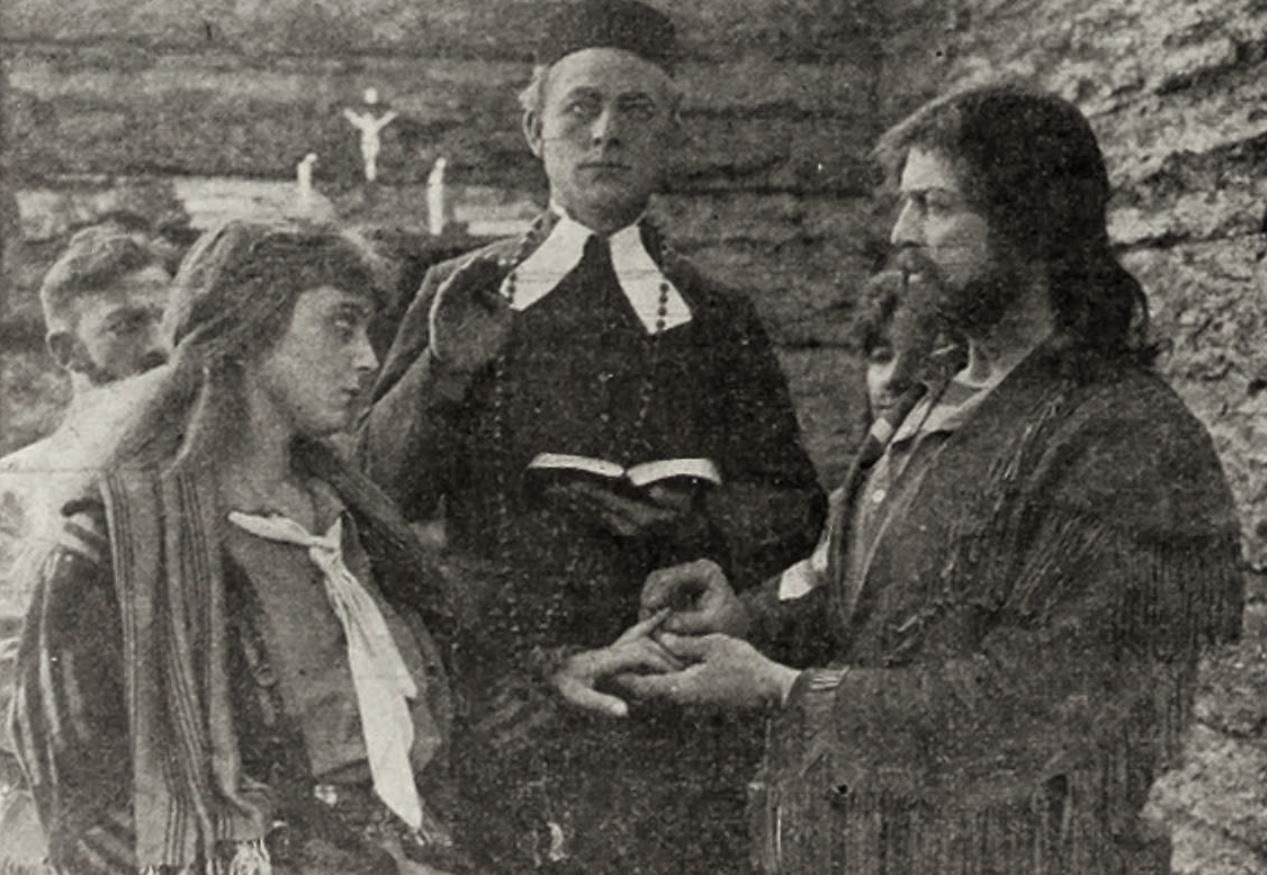
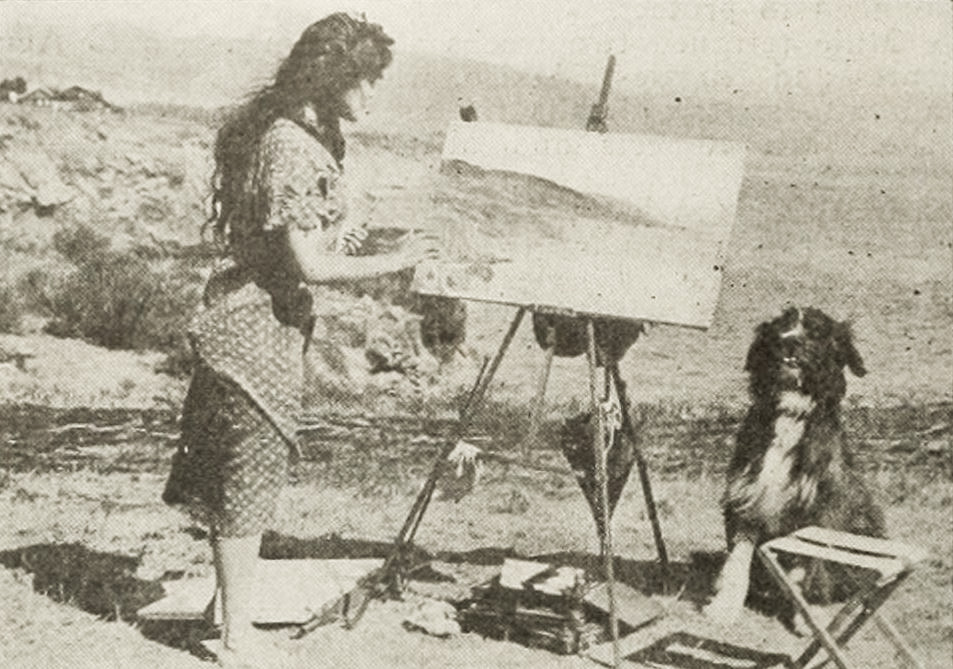
At the opening of the play Billy Roberts is successively a pugilist and a teamster, and Saxon, a young girl, works in a laundry. They meet at a Weazel Park picnic, the afternoon of the lively "roughhouse" between San Francisco and Oakland. They find each is of the race of the sturdy pioneers, which crossed the plains on foot and founded the new empire of the West. "We're just like old friends, with the same kind of folks behind us," says Billy. We see their simple wedding, and the happiness of the new life. Then comes the teamsters' strike, with its consequent poverty and unhappiness and the embittering of Billy's spirit. A succession of scenes shows the rioting that ensues when strike-breakers are imported. A thousand men were used in this part of the play. The action does not pause from the moment the strike-breakers leave the train until the riot culminates in front of Saxon's eyes, in the killing of Bert, Billy's chum. Things go from bad to worse, but it is when their fortunes are at the lowest ebb, when Billy is in jail and Saxon destitute, and while she sails on San Francisco Bay, that the great inspiration comes to her; the city is just a place to start from and that beyond the circling hills, out through the Golden Gate, somewhere they will find what they most desire. After his release and fired by her enthusiasm. Billy agrees and, with the thought that they are only following in the footsteps of their ancestors, they start out on foot to find a new home. Charming glimpses of the country through which they tramp are given, in the course of which we make the acquaintance of that delightful group of artists who call themselves the "Abalone Eaters," at Carmel, and attend a boxing match at which Billy earns a much-desired camping outfit in twenty-seven seconds. Finally they come to a cairn and view from it a valley that is all they have looked for. It is Sonoma, an Indian name, which means the Valley of the Moon. Our last view of them is in the midst of busy ranch life, and in a dell in Wildwater Canyon, where Saxon whispers to Billy the secret that crowns the summit of their happiness.
Review Excerpt
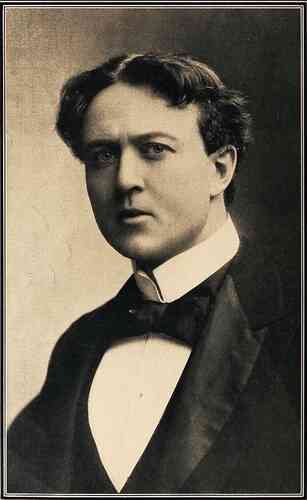
"The Atavistic Pull of the Soil: A Review of The Valley of the MoonTo witness the 1914 adaptation of Jack London’s The Valley of the Moon is to engage with a cinematic artifact that feels both ancient and remarkably prescient. Directed by Hobart Bosworth, who also takes on the mantle of the protagonist, this film is far more than a mere pastoral romance; it is a sprawling, socio-political manifesto that captures the volatile transition of the American West from a frontier of opportunity to an ind..."