Paul Wegener
actor, director, writer
- Born:
- 1874-12-11, Arnoldsdorf, West Prussia, Germany [now Jarantowice, Kujawsko-Pomorskie, Poland]
- Died:
- 1948-09-13, Berlin, Germany
- Professions:
- actor, director, writer
Biography
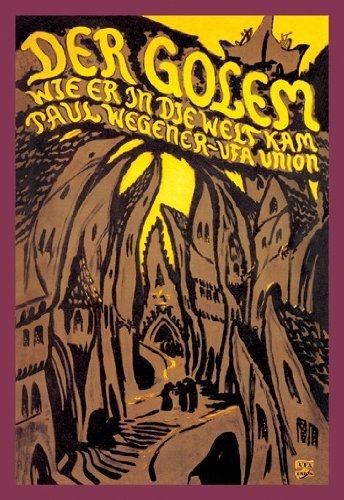
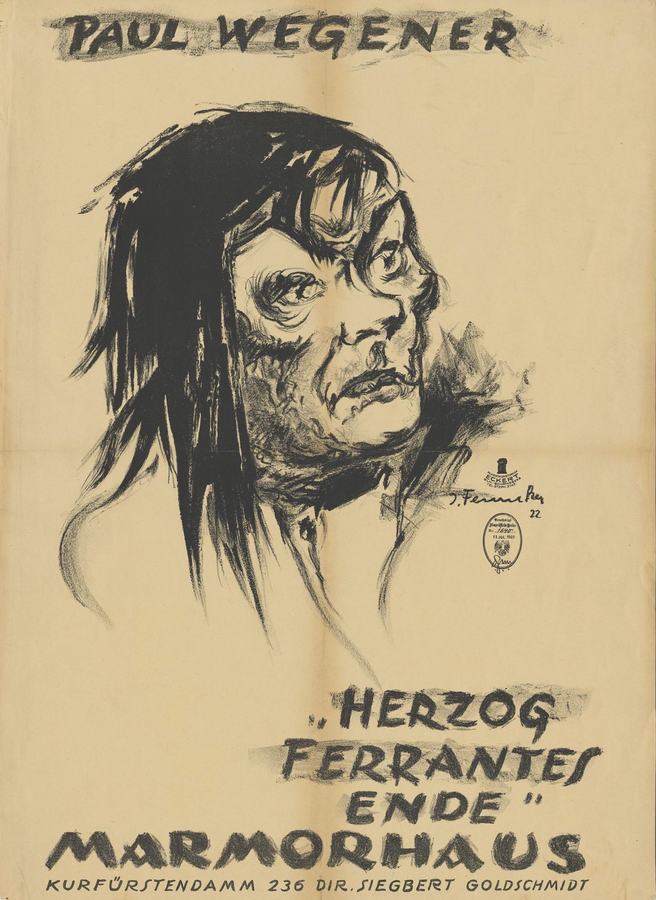
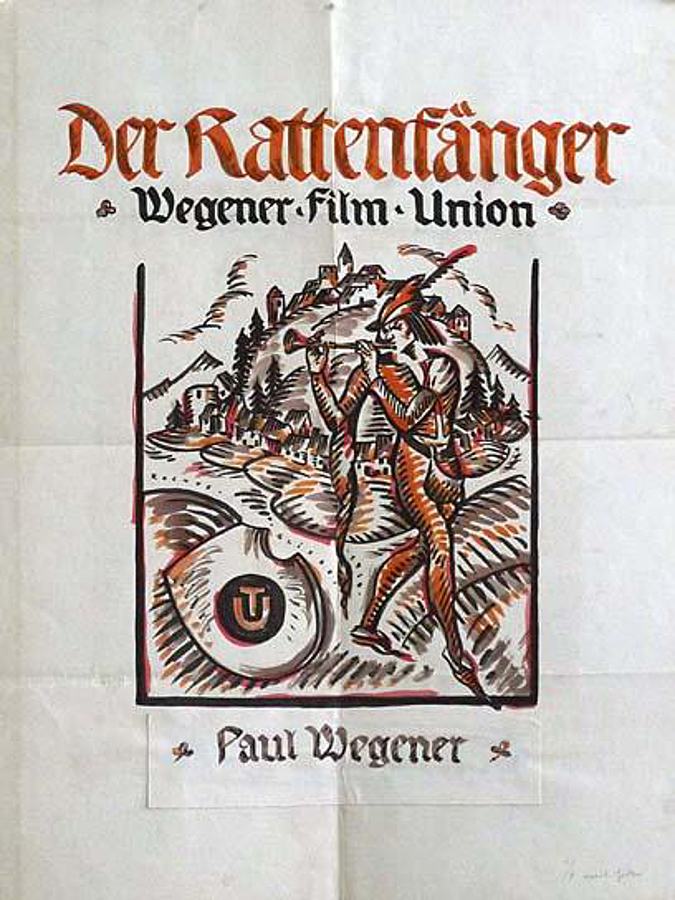
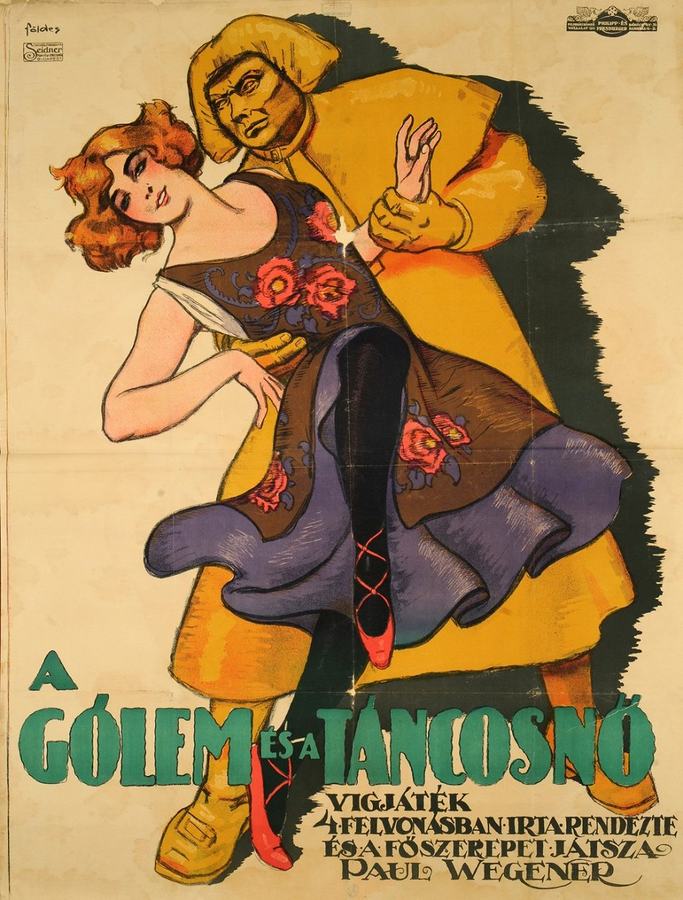
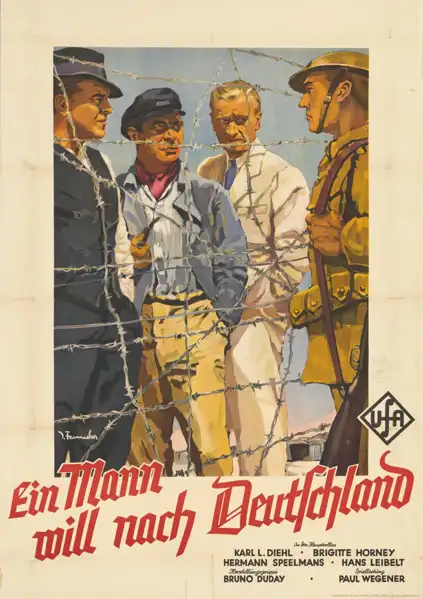
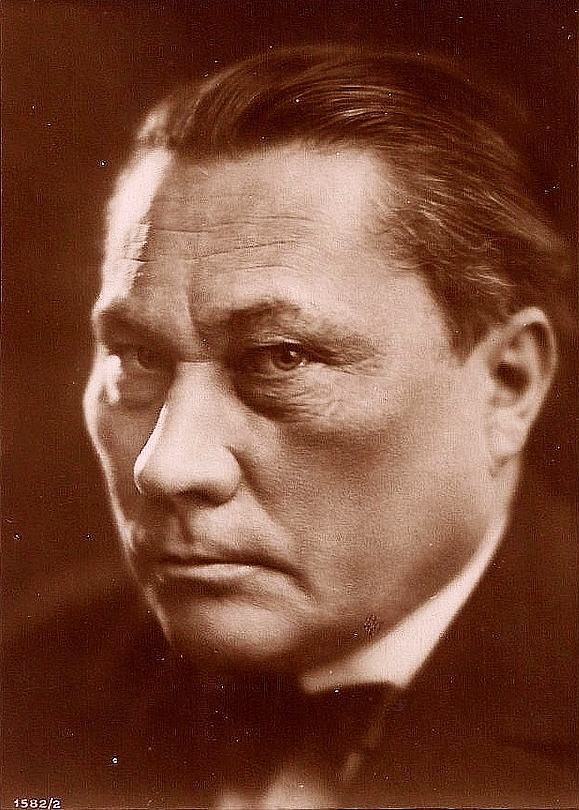
In the quaint town of Jarantowice, Poland, formerly Arnoldsdorf in West Prussia, German Empire, a cinematic legend was born - Paul Wegener. His family tree boasted an array of esteemed scientists, including his cousin Alfred Wegener, the visionary behind the groundbreaking theory of continental drift. However, Paul's path diverged from the realm of science, instead embracing the spotlight as a theatrical actor. By 1906, he had joined forces with the illustrious Max Reinhardt, a theatrical powerhouse who would later transition to film direction. As the curtains drew open on a new decade, Wegener found himself enthralled by the burgeoning world of cinema, and by 1912, he was determined to leave his mark on the silver screen. It was in 1913 that Wegener stumbled upon an ancient Jewish legend - the Golem - which would become an obsession, driving him to co-write a script with Henrik Galeen. Their collaboration culminated in the 1915 film "The Golem," a masterpiece that catapulted Wegener to stardom in German cinema. The Golem's allure proved irresistible, and Wegener returned to the legend, helming a parody in 1917 and the iconic "The Golem: How He Came into the World" in 1920. This latter film remains an enduring classic, a testament to Wegener's innovative spirit and fascination with the mystical and unknown. As the years unfolded, Wegener's filmography continued to reflect his eclectic interests, from trick photography to the supernatural. The advent of sound in cinema posed no obstacle, and he seamlessly transitioned to talking pictures in the 1930s. However, the Nazi regime's rise to power in 1933 cast a long shadow over the film industry, with many artists facing persecution or forced exile. Wegener, despite his personal distaste for the regime, which had targeted friends and colleagues, found himself in favor, appearing in numerous propaganda films throughout the 1940s. Nevertheless, he secretly funneled support to German resistance groups, a testament to his courageous conviction. In the aftermath of World War II, as Berlin lay in ruins, Wegener emerged as a beacon of hope, assuming the presidency of an organization dedicated to improving the lives of the city's survivors. Though his health was beginning to falter, he continued to tread the boards, his passion for theater burning bright until 1948. Tragically, it was on stage that his final curtain call arrived, as he collapsed during a performance in July 1948. His retirement was short-lived, and on a somber September evening, Wegener slipped away in his sleep, leaving behind his devoted wife, Lyda Salmonova.