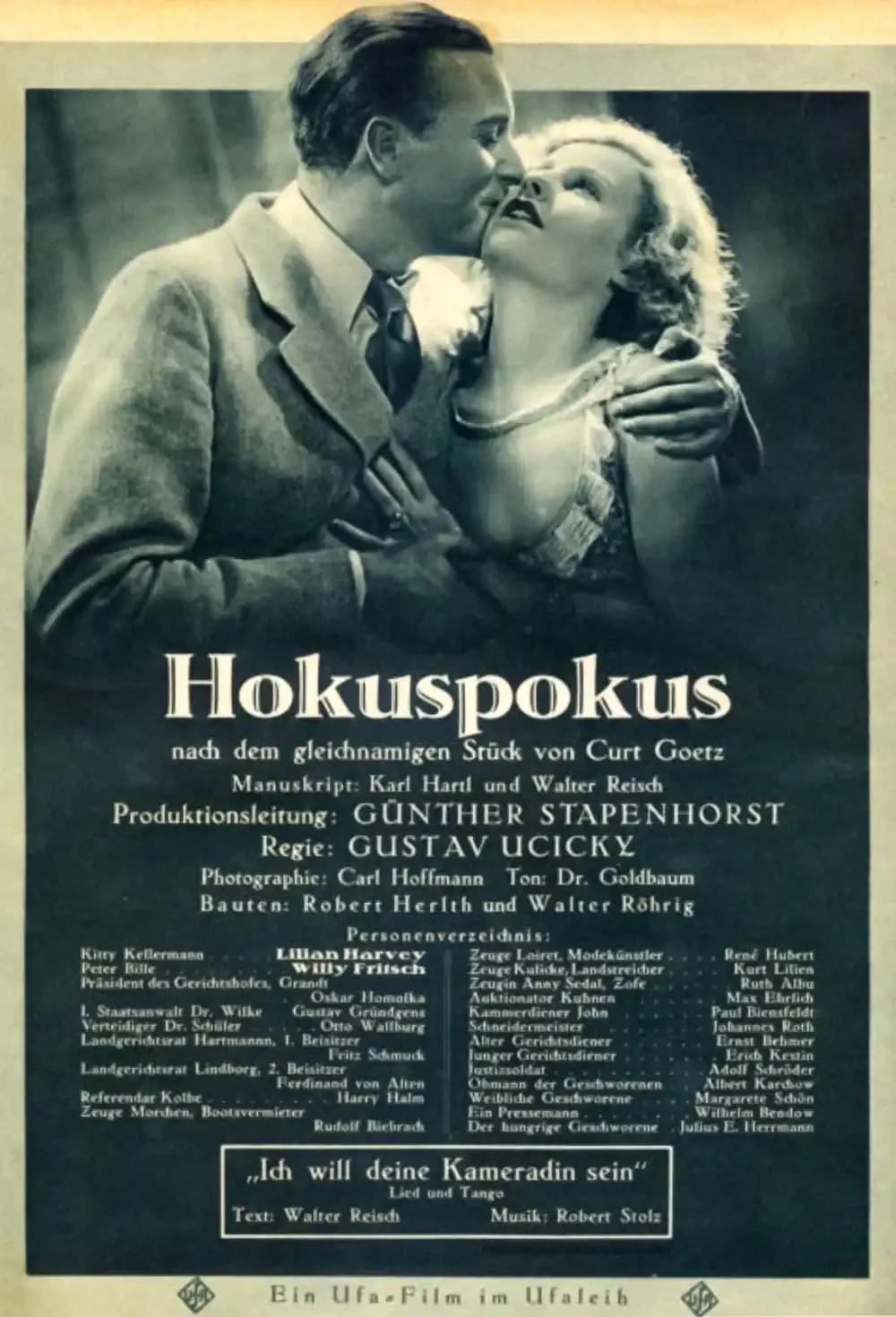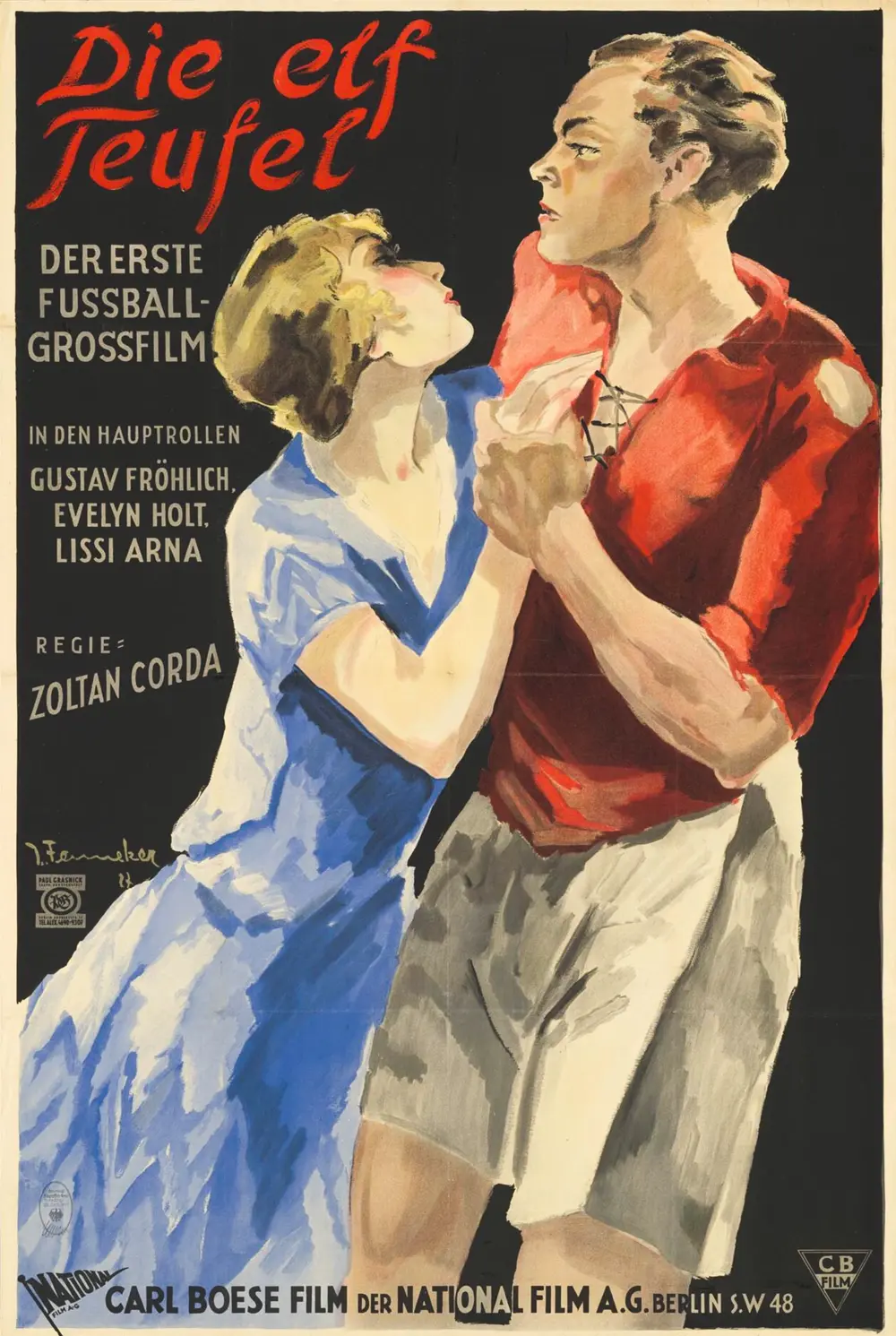
A professional football players' club tries to get a goalscorer out of the small workers club. With the help of a large contract and a woman, he stays in the end with his club and beats the big club in the decisive game for the city cup.

Is Die elf Teufel worth watching today? Short answer: yes, but with significant caveats that depend entirely on your cinematic palate. This 1926 German silent drama, a fascinating relic from the Weimar Republic era, offers a unique glimpse into early sports cinema and the nascent art of visual storytelling, making it a...
Comparing the cinematic DNA and archive impact of two defining moments in cult history.
Zoltan Korda
Edward LeSaint
Community
Log in to comment.
At the heart of a burgeoning city's sporting landscape, a modest workers' football club finds its future jeopardized by the predatory ambitions of a powerful professional team. Their star goalscorer, a figure of immense talent and local pride, becomes the object of a calculated recruitment drive, dangled before him a substantial contract and the beguiling attentions of a sophisticated woman. This orchestrated temptation forces the protagonist into a profound ethical quandary: forsake the unwavering loyalty and camaraderie of his humble origins for the glittering promise of personal wealth and elite status, or reaffirm his commitment to the underdog spirit and the community that forged him. The narrative culminates in a climactic city cup showdown, a direct clash where the goalscorer's ultimate decision transcends the mere result of a game, becoming a potent symbol of integrity battling the encroaching commercialization of sport.
"Is Die elf Teufel worth watching today? Short answer: yes, but with significant caveats that depend entirely on your cinematic palate. This 1926 German silent drama, a fascinating relic from the Weimar Republic era, offers a unique glimpse into early sports cinema and the nascent art of visual storytelling, making it a valuable watch for cinephiles, historians, and those curious about the evolution of the moving image. However, it is decidedly not for those seeking fast-paced action, modern narr..."
Walter Reisch
Germany