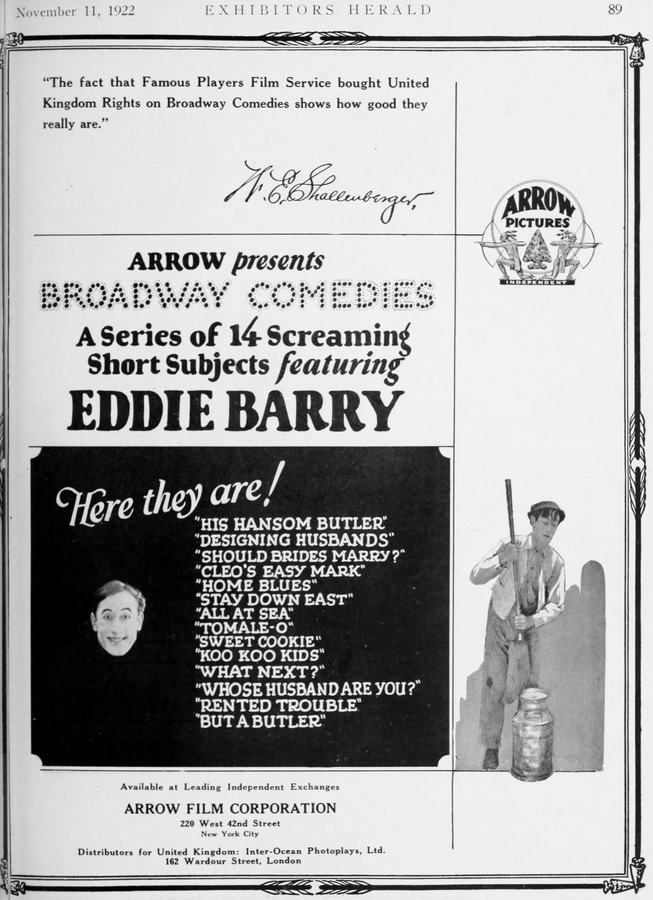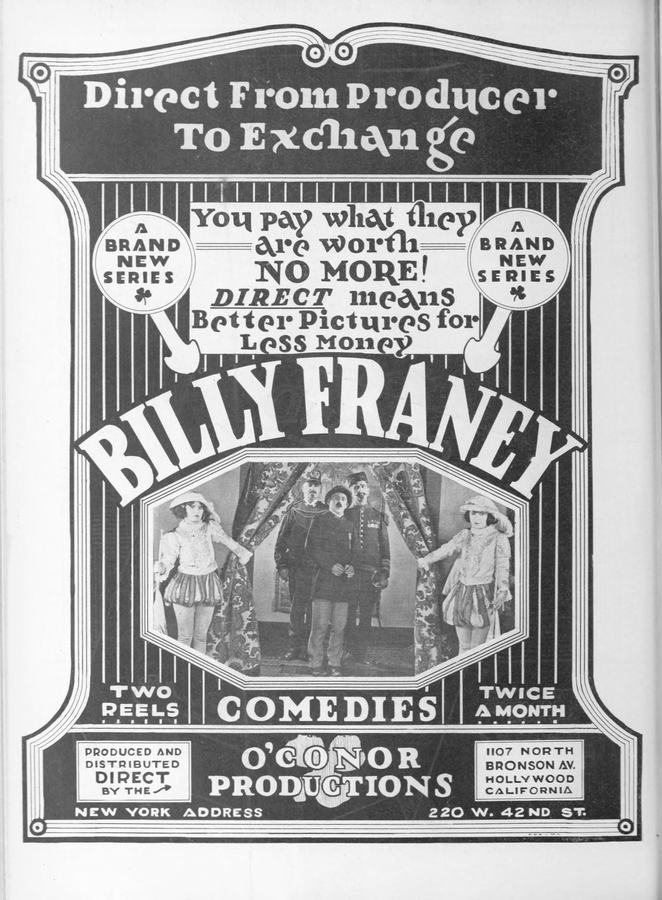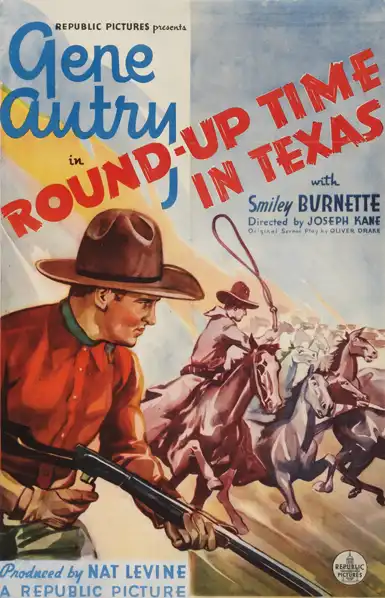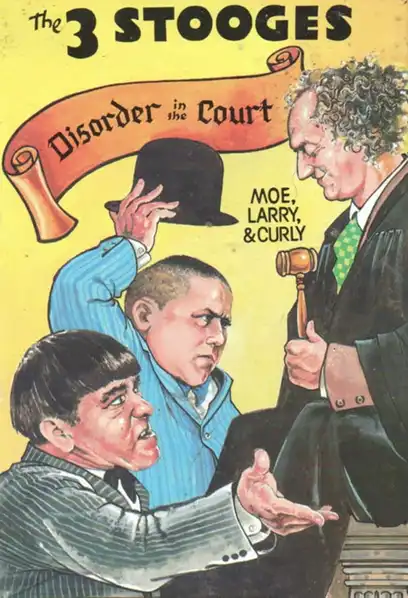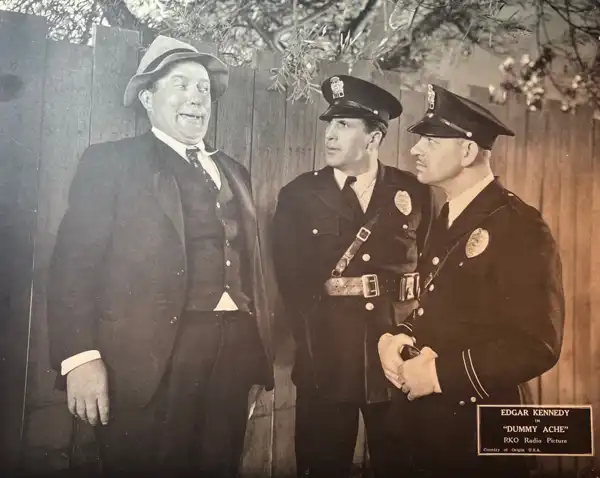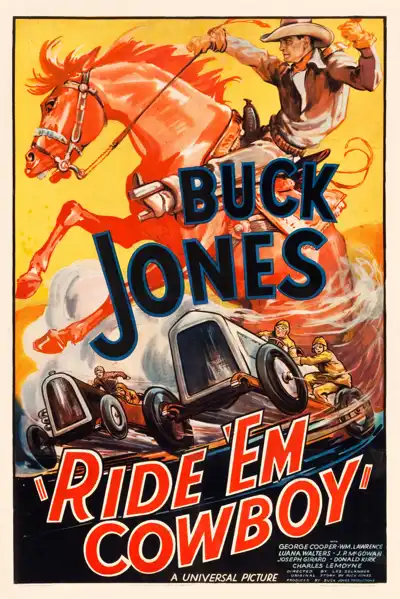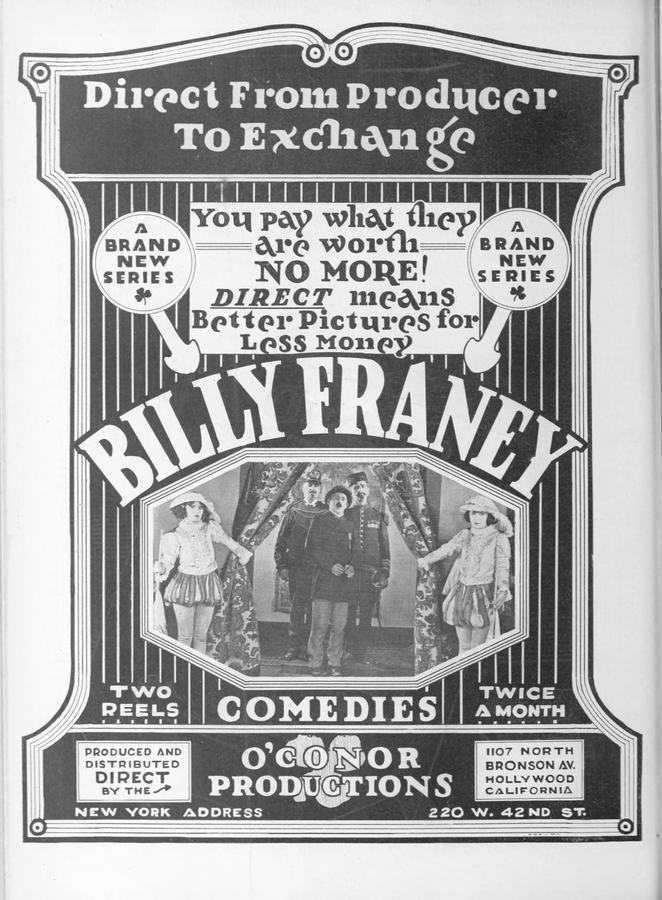
The year 1922 serves as a fascinating nexus in the chronology of the moving image. It was a period where the primitive foundations of the nickelodeon were being rapidly overshadowed by the burgeoning sophistication of the studio system. Amidst the grand epics and the heavy-handed moralities of the time, the short-form ...
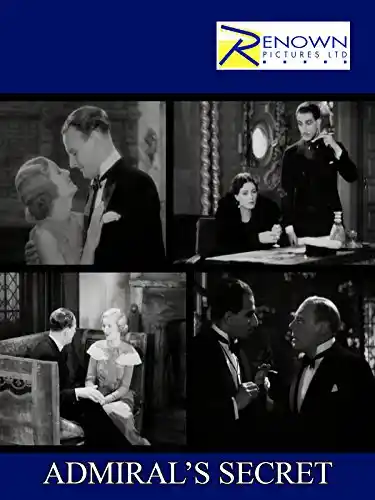
Comparing the cinematic DNA and archive impact of two defining moments in cult history.
Ward Hayes
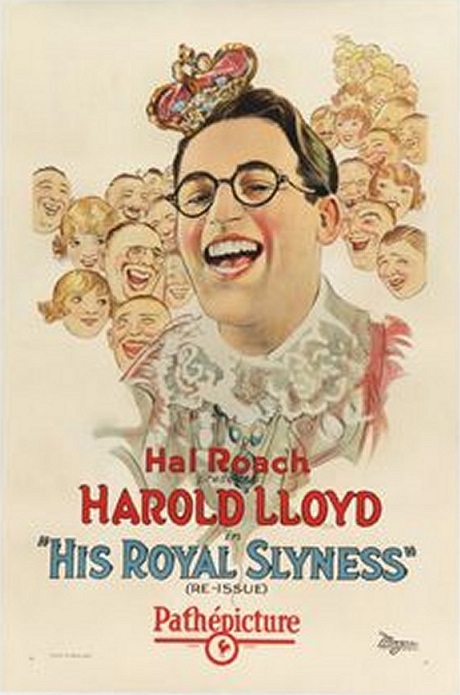
Hal Roach
Community
Log in to comment.
"The year 1922 serves as a fascinating nexus in the chronology of the moving image. It was a period where the primitive foundations of the nickelodeon were being rapidly overshadowed by the burgeoning sophistication of the studio system. Amidst the grand epics and the heavy-handed moralities of the time, the short-form comedy remained a vital, if often overlooked, laboratory for purely visual storytelling. This Way Out, featuring the inimitable Billy Franey and the reliable Bob O'Connor, stands a..."