DbcultAccessing Vault...
Cult Review
Senior Film Conservator
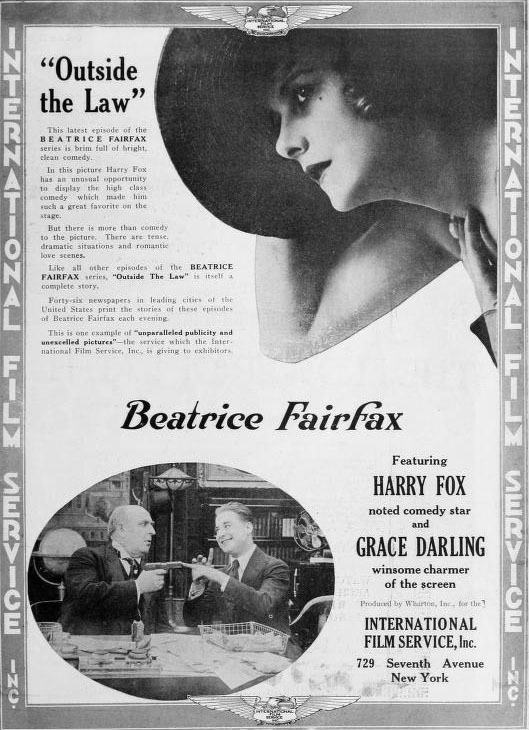
In the nascent, often tumultuous landscape of early cinema, few serials captivated audiences with the same blend of derring-do and moral fortitude as the adventures of Beatrice Fairfax. These weekly installments, designed to leave viewers on the edge of their seats, epitomized the era's hunger for thrilling narratives and virtuous heroes. 'Beatrice Fairfax Episode 9: Outside the Law' is a sterling example of this formula, a gripping exposé on the insidious nature of blackmail and the lengths to which individuals will go – both to perpetrate and to thwart such nefarious schemes. It’s a testament to the ingenuity of silent storytelling, where every gesture, every facial expression, and every meticulously staged sequence had to convey a universe of meaning without the benefit of spoken dialogue. This episode, in particular, showcases the sharp intellect and unwavering courage that made Beatrice and Jimmy such compelling figures in the popular imagination, cementing their status as archetypal defenders of justice in a world often governed by less scrupulous forces.
The narrative unfurls with a chilling precision, introducing us to Simeon Gold, the editor of a sensationalist weekly aptly named 'The Vampire.' Gold is not merely a purveyor of salacious gossip; he is an active participant in its creation, a predator who thrives on the vulnerabilities of others. His latest victim is Madeline Grey, a young matron whose past indiscretions, encapsulated in a series of pre-marital letters, have become Gold's most potent weapon. The threat is stark: pay a substantial sum, or face public humiliation and ruin. Mrs. Grey’s predicament is profoundly relatable, tapping into universal fears of reputation sullied and privacy invaded. The film adeptly captures her terror, a silent scream of desperation that resonates deeply even today. This scenario, a common trope in early thrillers, finds its particular potency here through the immediacy of the threat and the sheer powerlessness of the victim. The tension is palpable, a slow-burning fuse that promises an explosive climax, setting the stage for the intervention of our heroic duo.
Enter Beatrice Fairfax and Jimmy Barton, a formidable pair whose complementary skills form the bedrock of their investigative prowess. Beatrice, with her keen intellect and strategic thinking, serves as the moral compass and tactical mastermind, while Jimmy, her intrepid associate, embodies the daring and resourcefulness required for fieldwork. Their partnership is more than just professional; it’s a symbiotic dance of trust and shared purpose. Upon receiving Mrs. Grey’s desperate plea, they don’t hesitate. Their initial move, a visit to Mrs. Gold, reveals their methodical approach, seeking to understand the dynamics of the blackmailer’s world from an unexpected angle. This collaborative spirit, where brains and brawn work in tandem, is a hallmark of the serial, establishing a template for countless detective duos that would follow. Their commitment to justice, even when operating 'outside the law,' is unwavering, painting them as true champions of the downtrodden.
Jimmy Barton's initial foray into Gold's domain is a masterclass in subtle espionage. Posing as a journalist eager for an interview, he navigates the treacherous waters of Gold's office, not to gather a story, but to glean vital intelligence. His objective is clear: locate the incriminating documents. Gold, ever the narcissist, inadvertently reveals his Achilles' heel – all his private papers are kept in his bedroom. This crucial piece of information, extracted through guile rather than force, underscores Jimmy's intelligence and strategic thinking. It’s a common tactic in thrillers, where the hero must outsmart, rather than overpower, their adversary. One might draw parallels to the intricate spycraft seen in films like The Stolen Treaty, where the acquisition of seemingly mundane details proves pivotal to unraveling a larger conspiracy. Jimmy's ability to maintain his composure under the very nose of the blackmailer speaks volumes about his character and his commitment to the mission.
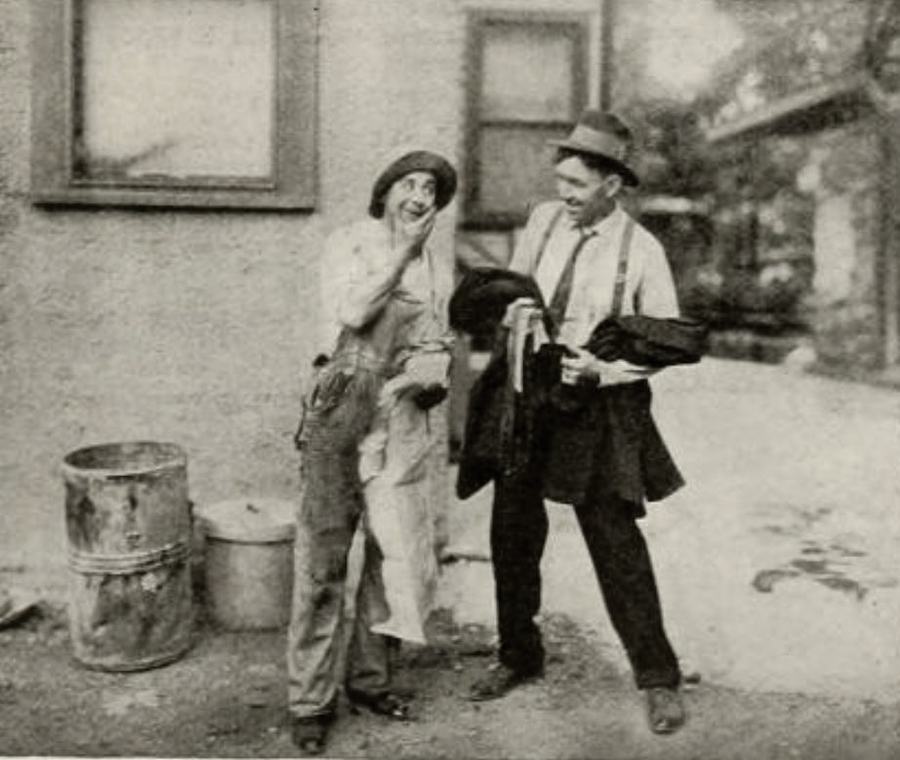
The subsequent stage of Jimmy's plan showcases an even greater degree of ingenuity and daring. Through meticulous surveillance of the Gold residence, he identifies a key vulnerability: the routine of the vegetable man. With a liberal application of money, Jimmy persuades the vendor to allow him to assume his identity. This disguise is not merely functional; it’s brilliant in its ordinariness, allowing Jimmy to blend seamlessly into the domestic rhythm of the Gold household. It's a classic cinematic trope, yet executed with a freshness that keeps the audience engaged. The comedic element inherent in a sophisticated detective masquerading as a humble tradesman adds a layer of charm to the suspense. This kind of resourceful infiltration, relying on cunning and disguise rather than brute force, is a hallmark of many serials, echoing the multi-layered deceptions often found in a complex narrative like Tih Minh, where identities are constantly shifting to achieve objectives.
Gaining access to the Gold kitchen, Jimmy, in his humble guise, embarks on a delightful, if morally ambiguous, flirtation with the housemaid. This interaction serves multiple purposes: it solidifies his cover, distracts a potential witness, and, most importantly, provides the opportunity for his ingenious next move. As the maid’s back is turned, engrossed in the rhythmic process of baking, Jimmy seizes a piece of pie dough and presses it against the kitchen door key, securing a perfect impression. This moment, executed with silent precision, is a testament to the film’s clever visual storytelling. The mundane object – a piece of dough – becomes the instrument of a pivotal breakthrough, highlighting the resourcefulness of the hero. It's a small, intricate detail that adds immense satisfaction to the viewer, demonstrating that even in the absence of dialogue, the narrative can convey complex actions and clever stratagems with clarity and suspense.
Under the shroud of night, with the Gold household believed to be entirely empty, Jimmy prepares for the decisive raid. However, Beatrice, ever the proactive partner, insists on accompanying him despite his protests. Her presence elevates the stakes, adding a layer of shared risk and mutual dependency to their mission. They are not merely breaking and entering; they are fulfilling a solemn promise made to Mrs. Grey, assuring her that her letters would be returned within hours. This commitment to their word, even in the face of grave danger, underscores their moral integrity. The nocturnal setting inherently amplifies the suspense, with shadows and silence conspiring to create an atmosphere of heightened tension. Every creak, every distant sound, could signal discovery, making the audience hold their breath alongside our protagonists as they navigate the darkened corridors of Gold's residence.
While Beatrice and Jimmy are meticulously executing their plan, Gold, oblivious to the impending intrusion, pays another visit to Mrs. Grey. His demand for money is met with an unexpected defiance: she declares, with newfound courage, that she will have her letters back within a short time, despite his threats. This declaration, born of the hope instilled by Beatrice and Jimmy, inadvertently sends Gold into a panic. The realization that his leverage is slipping away propels him into a frantic race home. This twist of fate, a consequence of Mrs. Grey's empowered stance, adds a thrilling layer of urgency to the unfolding drama. It transforms a simple retrieval mission into a high-stakes confrontation, where timing becomes paramount. The narrative expertly juggles these parallel storylines, building suspense as Gold hurtles towards a collision with the very individuals attempting to thwart him.
Gold's hurried return culminates in the sight of a tell-tale light emanating from his bedroom, confirming his worst fears. Accompanied by his chauffeur, he bursts in, only to discover Beatrice. She, having just located the Grey letters in a hall safe but not yet secured them, demonstrates remarkable composure. With lightning speed, she concocts a plausible alibi, pretending to be a friend of Mrs. Grey, attempting to diffuse the volatile situation. Gold, however, is not easily fooled. He backs her into an adjoining room, assigning his chauffeur to guard her, before returning to the safe to retrieve his now-threatened treasure. This moment is charged with peril; Beatrice is trapped, and the mission hangs precariously in the balance. Her quick thinking, though ultimately unsuccessful in fully deceiving Gold, buys precious moments and reveals her extraordinary presence of mind under duress.
The tension reaches its zenith as Gold, having secured Beatrice, turns his attention back to the safe. Unbeknownst to him, Jimmy Barton has been lying in wait, concealed behind a curtain, a silent guardian angel. As Gold retrieves the letters, he turns, only to find himself staring down the cold, unforgiving muzzle of Jimmy's revolver. Before the blackmailer can react, Jimmy delivers a swift, decisive blow, rendering Gold unconscious. This moment is pure cinematic heroism, a sudden burst of action that resolves the immediate threat with satisfying finality. Jimmy's precision and timing are impeccable, transforming him from an undercover operative into an unambiguous action hero. He secures the letters, the tangible proof of their victory, turning the tide decisively in their favor. The silent film medium excels in these dramatic, wordless confrontations, where the power of the visual impact is paramount.
The commotion of Gold's fall reverberates through the house, immediately alerting the chauffeur and Beatrice in the adjacent room. The chauffeur, ever loyal to his employer, rushes to Gold's side, only to find himself similarly disarmed by Jimmy, who now holds two men at bay with his revolver. The situation, already tense, is complicated further by the unexpected return of the maid. She enters the room, takes in the chaotic scene, and her eyes fall upon Jimmy. Recognition dawns, and with a gasp of disbelief and perhaps a touch of betrayal, she exclaims: "It's the vegetable man!" before dramatically collapsing. This moment provides a surprising, almost comedic, release of tension, while also confirming the cleverness of Jimmy's earlier disguise. It’s a classic serial cliffhanger element, leaving an indelible image of the hero's dual identity, echoing the daring deceptions seen in films like Bound in Morocco, where protagonists often adopt multiple guises to navigate perilous situations.
With the letters finally secured and the immediate threats neutralized, Jimmy and Beatrice execute a swift and strategic retreat from the Gold residence. Their mission, fraught with peril and unexpected turns, has been accomplished. They waste no time, hurrying directly to Mrs. Grey, who awaits their arrival with bated breath and trembling hope. The moment of delivery is one of profound relief and vindication. As Mrs. Grey takes possession of her incriminating correspondence, she immediately commits them to the flames. This act of burning is deeply symbolic, representing not just the destruction of physical objects, but the eradication of a dark chapter, a cleansing of her past, and the restoration of her peace of mind. The flickering fire consumes the evidence of Gold's malice, leaving behind only ashes and the promise of a future free from his grasp. It’s a powerful visual metaphor for liberation, perfectly capping the episode's central conflict.
'Outside the Law' is not merely a thrilling adventure; it delves into intriguing moral complexities. The title itself is a provocative statement, highlighting that Beatrice and Jimmy operate beyond the conventional legal framework to achieve justice. They resort to breaking and entering, deception, and even physical force, actions that, in another context, would be deemed illicit. Yet, their motives are unimpeachable: to protect an innocent woman from the predatory clutches of a blackmailer. This raises questions about the efficacy of the law when confronted with such insidious crimes, and whether extra-legal measures are sometimes necessary to uphold a higher moral code. This thematic exploration aligns with the dilemmas presented in films like The Law That Failed, which often scrutinize the limitations and blind spots of the legal system. The serial posits that true justice sometimes requires a willingness to bend, or even break, the rules, a daring proposition for its era, yet one that resonated deeply with audiences frustrated by societal injustices. It champions a form of vigilante justice, but one guided by an unwavering ethical compass.
The success of 'Beatrice Fairfax Episode 9' hinges significantly on its cinematic execution, particularly the performances of Grace Darling as Beatrice and Harry Fox as Jimmy. In the silent era, actors bore the immense responsibility of conveying character, emotion, and narrative through exaggerated gestures, expressive facial movements, and nuanced body language. Darling imbues Beatrice with an intelligent stoicism and a quiet determination, making her an inspiring figure of female agency. Fox, as Jimmy, is charismatic and agile, a perfect foil to Darling's more cerebral approach. Their chemistry, though unspoken, is palpable, adding depth to their partnership. The film's pacing is masterfully handled, building suspense incrementally through Jimmy's infiltration, then accelerating into a rapid-fire sequence of confrontation and escape. The use of intertitles is judicious, providing necessary exposition without interrupting the flow of visual storytelling. This episode stands as a testament to the sophisticated craft of silent cinema, where directors and actors collaborated to create compelling narratives through purely visual means, proving that powerful stories could be told without a single spoken word. The careful staging and editing ensure that every moment contributes to the overall tension and dramatic impact, keeping viewers utterly engrossed from beginning to end.
'Beatrice Fairfax Episode 9: Outside the Law' is more than just a standalone adventure; it is a vital cog in the larger machinery of a groundbreaking serial that left an indelible mark on cinematic history. The Beatrice Fairfax series, with its strong female lead and engaging mysteries, paved the way for countless adventure serials and detective narratives that would follow. It offered audiences a weekly dose of thrills, escapism, and a vicarious experience of justice being served, often against seemingly insurmountable odds. The enduring appeal of this episode lies in its timeless themes: the fight against injustice, the courage to stand up to bullies, and the power of collaboration. While silent films might seem a relic of a bygone era, the narrative ingenuity, character development, and sheer entertainment value of episodes like 'Outside the Law' remain potent. They remind us of the foundational elements of storytelling that continue to resonate, proving that a compelling plot, well-drawn characters, and a clear moral compass are universal ingredients for captivating an audience, regardless of the technological advancements in filmmaking. This episode, in its unassuming elegance, continues to charm and thrill, a shining example of early cinema's enduring power to captivate and inspire. It’s a piece of film history that deserves continued recognition for its cleverness and its contribution to the evolution of the action-mystery genre.
Community
Log in to comment.