DbcultAccessing Vault...
Cult Review
Senior Film Conservator
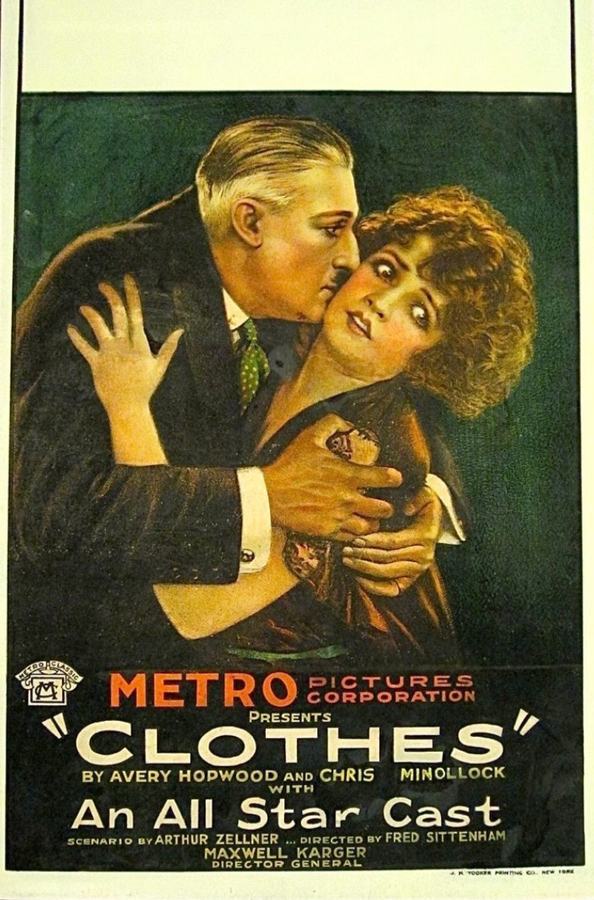
The 1920 silent film Clothes is a masterfully woven tale of love, deception, and redemption, set against the backdrop of high society. Olivia Sherwood, the protagonist, is a complex and multifaceted character, whose life is a labyrinth of mistaken identities and manipulated fortunes. As she navigates her newfound wealth, Olivia's world is turned upside down by the arrival of the wealthy Richard Burbank, with whom she falls deeply in love. However, their romance is threatened by the sinister machinations of Arnold West, a cunning attorney with a hidden agenda.
West's character is a fascinating study in duplicity, as he expertly manipulates Olivia's finances, fueling her extravagant lifestyle while secretly orchestrating her downfall. His motives are multifaceted, driven by a toxic mix of greed, power, and a twisted desire for control. As the story unfolds, West's true nature is gradually exposed, revealing a ruthless and cunning individual who will stop at nothing to achieve his objectives.
In contrast, Richard Burbank is a paragon of virtue, whose love for Olivia is pure and unwavering. Despite being witness to the dramatic confrontation between Olivia and West, Burbank's faith in Olivia remains unshakeable, and he ultimately forgives her, leading to their marriage. This poignant conclusion is a testament to the transformative power of love, which can overcome even the most daunting obstacles.
The film's cinematography is noteworthy, with a keen attention to detail that recreates the opulence and grandeur of high society. The use of dark orange hues and sea blue tones adds a touch of elegance and sophistication, perfectly capturing the essence of the era. The yellow lighting, in particular, is striking, as it casts a warm glow over the characters, imbuing the scenes with a sense of intimacy and warmth.
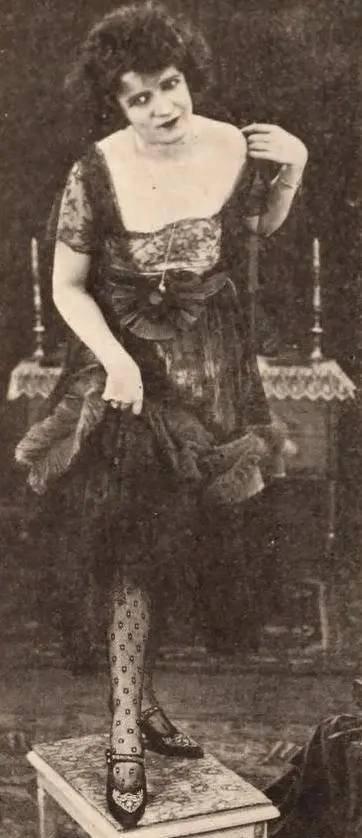
In comparison to other films of the era, such as Pegeen and Das Mädchen aus der Opiumhöhle, Clothes stands out for its nuanced characterization and intricate plot. The film's themes of love, deception, and redemption are timeless, resonating with audiences long after the credits roll. Similarly, films like Der Eid des Stephan Huller and Deep Waters explore the complexities of human relationships, albeit in different contexts.
The silent film era was a unique period in cinematic history, marked by a reliance on visual storytelling and the absence of dialogue. In this context, films like Circumstantial Evidence and The Patriot demonstrate the power of pantomime and facial expressions in conveying emotion and narrative. Clothes is no exception, with its cast delivering performances that are both subtle and expressive.
In conclusion, Clothes is a film that deserves to be rediscovered and appreciated for its technical achievements, nuanced characterization, and timeless themes. As a testament to the enduring power of cinema, this 1920 silent film remains a compelling and thought-provoking work, inviting viewers to immerse themselves in its richly textured world of love, deception, and redemption. For fans of silent cinema, Clothes is a must-see, offering a unique glimpse into the artistry and craftsmanship of a bygone era. Other notable films from this period include The Great Leap: Until Death Do Us Part, A Modern Monte Cristo, and The Midnight Girl, each of which offers a distinct perspective on the human experience.
Ultimately, Clothes is a film that will continue to captivate audiences with its intricate narrative, memorable characters, and poignant themes. As a work of cinematic art, it remains a testament to the power of storytelling, inviting viewers to reflect on the complexities of human relationships and the enduring power of love. Whether you are a fan of silent cinema or simply looking to explore the rich heritage of film history, Clothes is a must-see, offering a unique and unforgettable cinematic experience that will linger in your mind long after the credits roll.
IMDb —
1919
Community
Log in to comment.