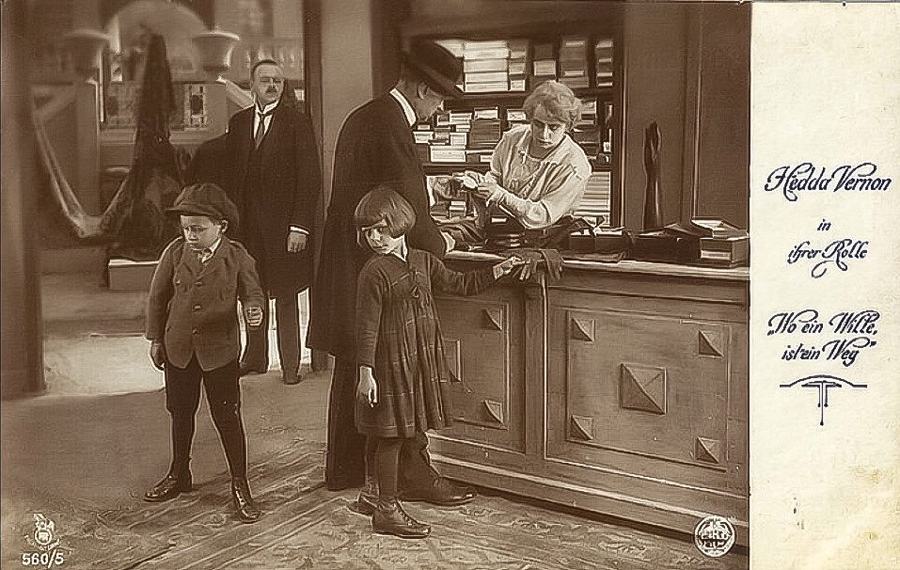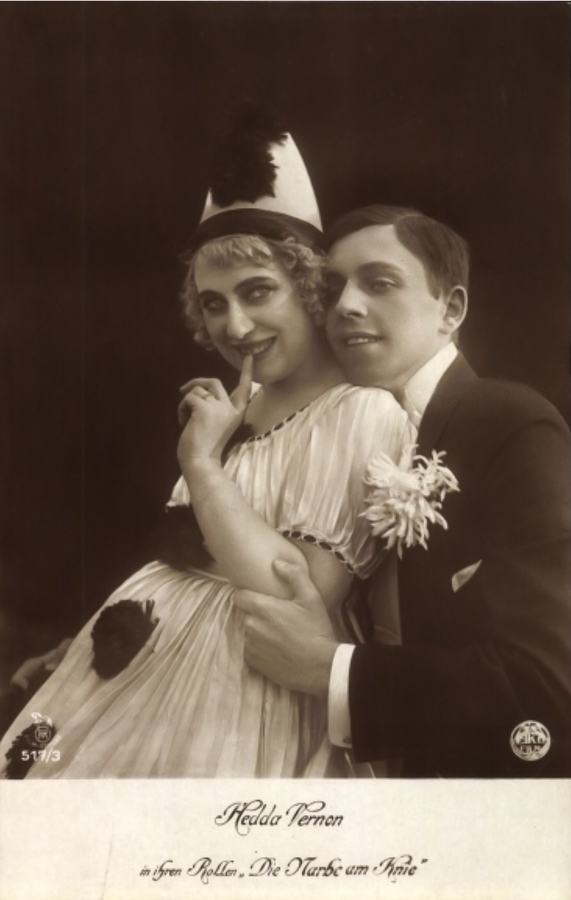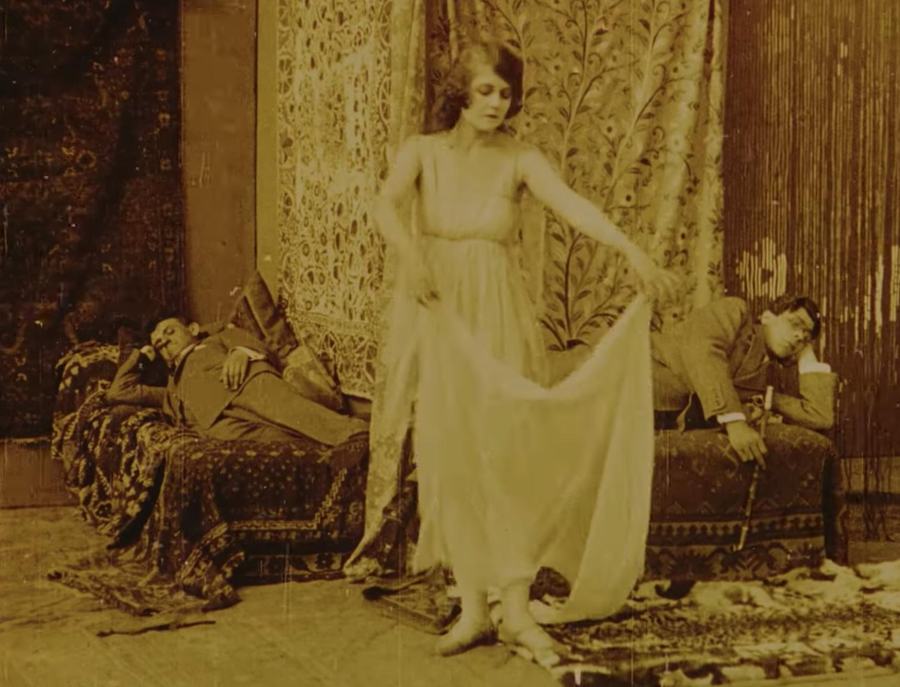
Berlin, 1912. Streetlights smear sulfur across wet cobblestones while the Spree River swallows refuse from three continents. Inside a cellar baptized Opiumhöhle, time drips like black honey down the neck of a glass pipe. Karl Schneider, a scenarist who reportedly sold his own blood to buy celluloid, projects onto this...
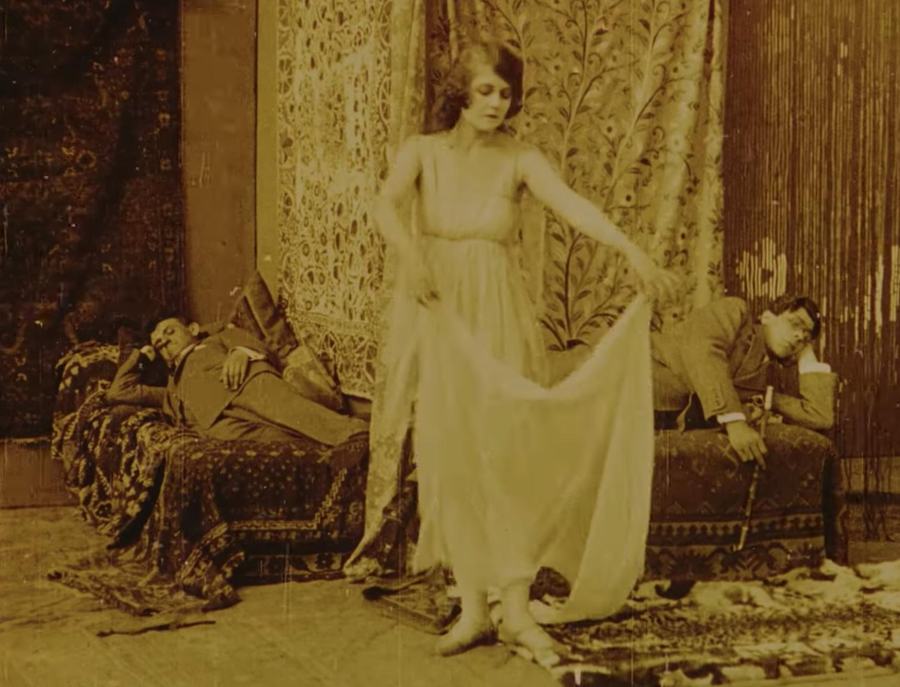
still_frame

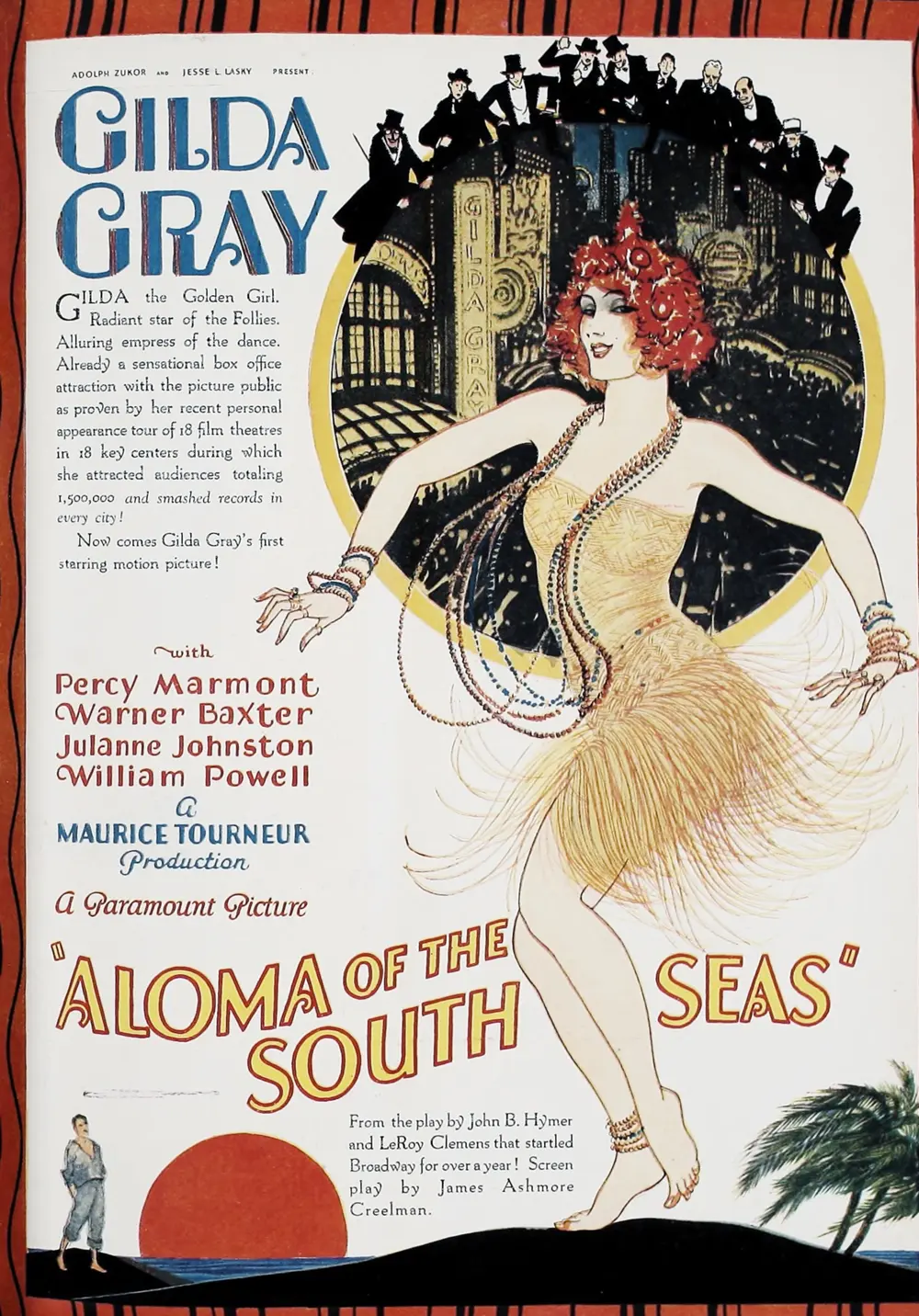
Comparing the cinematic DNA and archive impact of two defining moments in cult history.
Hubert Moest
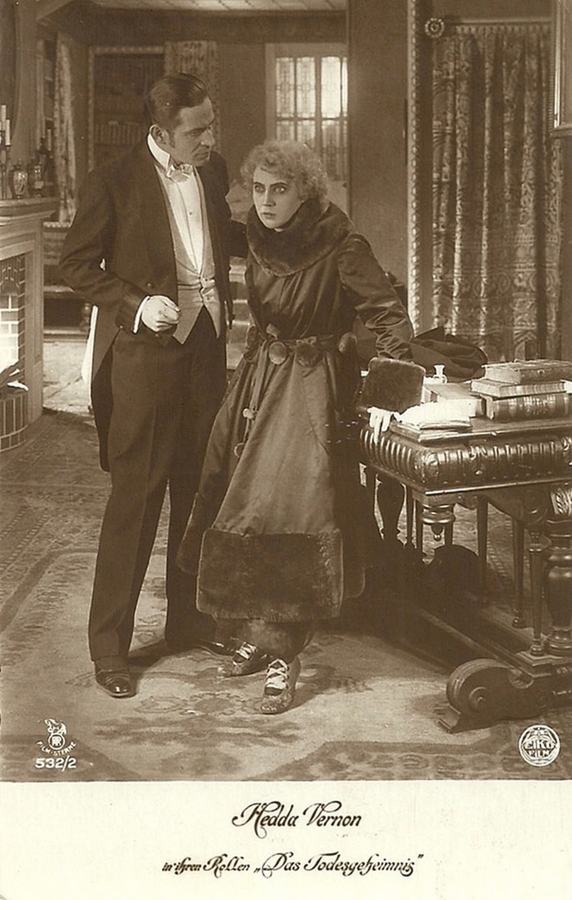
Hubert Moest
Community
Log in to comment.
" Berlin, 1912. Streetlights smear sulfur across wet cobblestones while the Spree River swallows refuse from three continents. Inside a cellar baptized Opiumhöhle, time drips like black honey down the neck of a glass pipe. Karl Schneider, a scenarist who reportedly sold his own blood to buy celluloid, projects onto this cavernous set the entire anxiety of a nation that has just discovered how habit-forming empire can be. Emil Albes glides through the haze as Dr. Vollmond, pharmacist-cum-poet, cl..."
Deep dive into the cult classic
Discover similar cinematic experiences
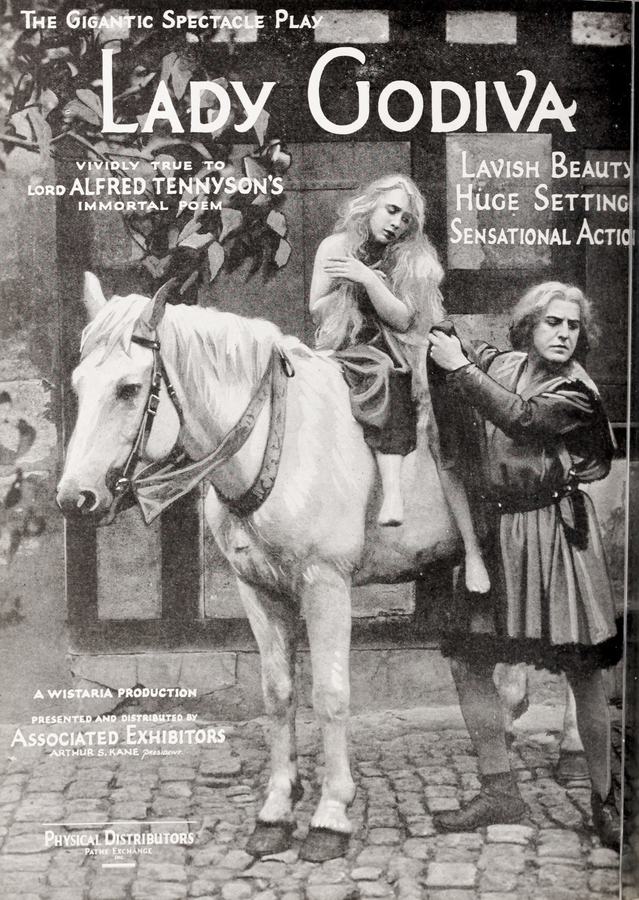
A Directorial Spotlight on Hubert Moest