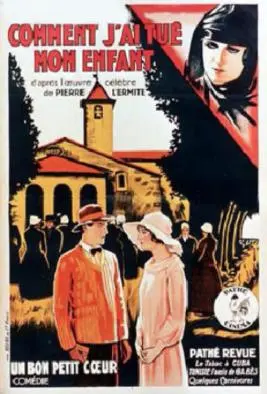
The film 'Comment j'ai tué mon enfant' is a deeply layered exploration of a woman's descent into darkness and her ultimate journey towards redemption. Sylvia Grey, played by Lise Jaffry, is a complex and multifaceted character whose story is woven with threads of guilt, deception, and a relentless pursuit of truth. The film's narrative is both intricate and compelling, unfolding in a manner that keeps the audience constantly on edge, questioning the very nature of reality and memory.
The story begins with Sylvia, a seemingly ordinary woman, who is married to Guijitsky, a man whose profession is not disclosed. The film opens with a series of flashbacks and flash-forwards, setting the stage for a narrative that is as much about the past as it is about the present. Sylvia's actions, though seemingly benign at first, gradually unravel into a web of lies and cover-ups. Her husband, portrayed by Pierre L'Ermite, is a character shrouded in mystery, his motives and intentions never fully revealed, adding to the film's enigmatic quality.
At the heart of the narrative is the relationship between Sylvia and her young son, Pierre L'Ermite, who brings a tender and vulnerable presence to the role. The film explores the bond between mother and child, a bond that is tested and ultimately broken. Sylvia's actions, driven by a mix of maternal protectiveness and personal ambition, create a profound impact on those around her, including her husband and her son. The child, played by Max de Rieux, is a poignant symbol of innocence and the fragility of life, his presence adding a layer of emotional depth to the story.
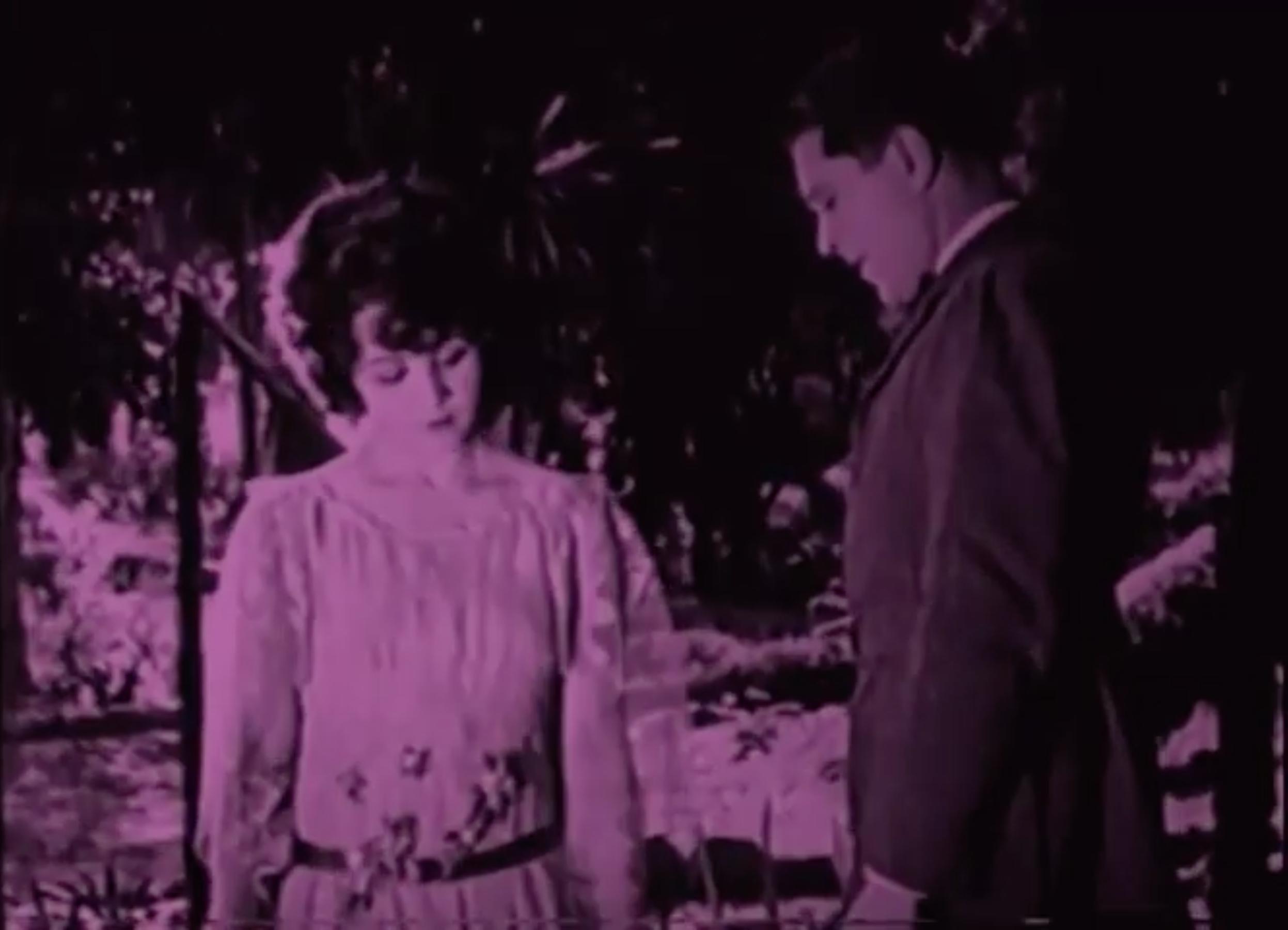
The film's visual style is a blend of realism and symbolism, with a muted color palette that enhances the sense of unease and tension. The cinematography, by Jacqueline Forzane, captures the subtle nuances of the characters' emotions, particularly in the scenes involving Sylvia. The use of close-ups and medium shots emphasizes the psychological depth of the characters, making their internal struggles palpable to the audience.
The supporting cast, including Jacqueline Forzane and Georges Lannes, adds layers to the narrative, contributing to the film's rich tapestry of characters. The dialogue, written by Pierre L'Ermite, is both poetic and incisive, capturing the complexities of human relationships and the moral dilemmas faced by the characters. The script is a masterful blend of subtle hints and explicit revelations, keeping the audience engaged and guessing until the very end.
One of the film's strengths lies in its ability to explore the psychological underpinnings of its characters. The narrative delves into the depths of Sylvia's psyche, revealing the internal struggles and the gradual erosion of her moral compass. The film does not shy away from the darker aspects of human nature, presenting a raw and unflinching portrayal of guilt and its consequences. The performances, particularly Lise Jaffry's, are nothing short of exceptional, bringing a层次感和情感深度到角色的刻画中。
在比较影片时,我们不能不提《无停车位》(No Parking)和《变色龙》(The Fly Ball)。这两部影片虽然风格迥异,但都探讨了道德界限和个人选择的主题。相比之下,《无停车位》聚焦于城市生活中的道德困境,而《变色龙》则通过一桩案件揭示了人性的复杂性。这些作品与《我杀了我的孩子》在探讨人性的黑暗面方面有着异曲同工之妙,但《我杀了我的孩子》更侧重于个人情感和心理的深入挖掘。
综上所述,《我杀了我的孩子》是一部值得一看的影片。它通过复杂的情节和深刻的人物刻画,探讨了母性的光辉与阴暗面。影片的每一帧都充满了情感和思考的空间,是近年来难得一见的佳作。如果你对心理惊悚片感兴趣,或者对人性的复杂性有浓厚兴趣,那么这部影片绝对不容错过。