DbcultAccessing Vault...
7.8/10
Senior Film Conservator
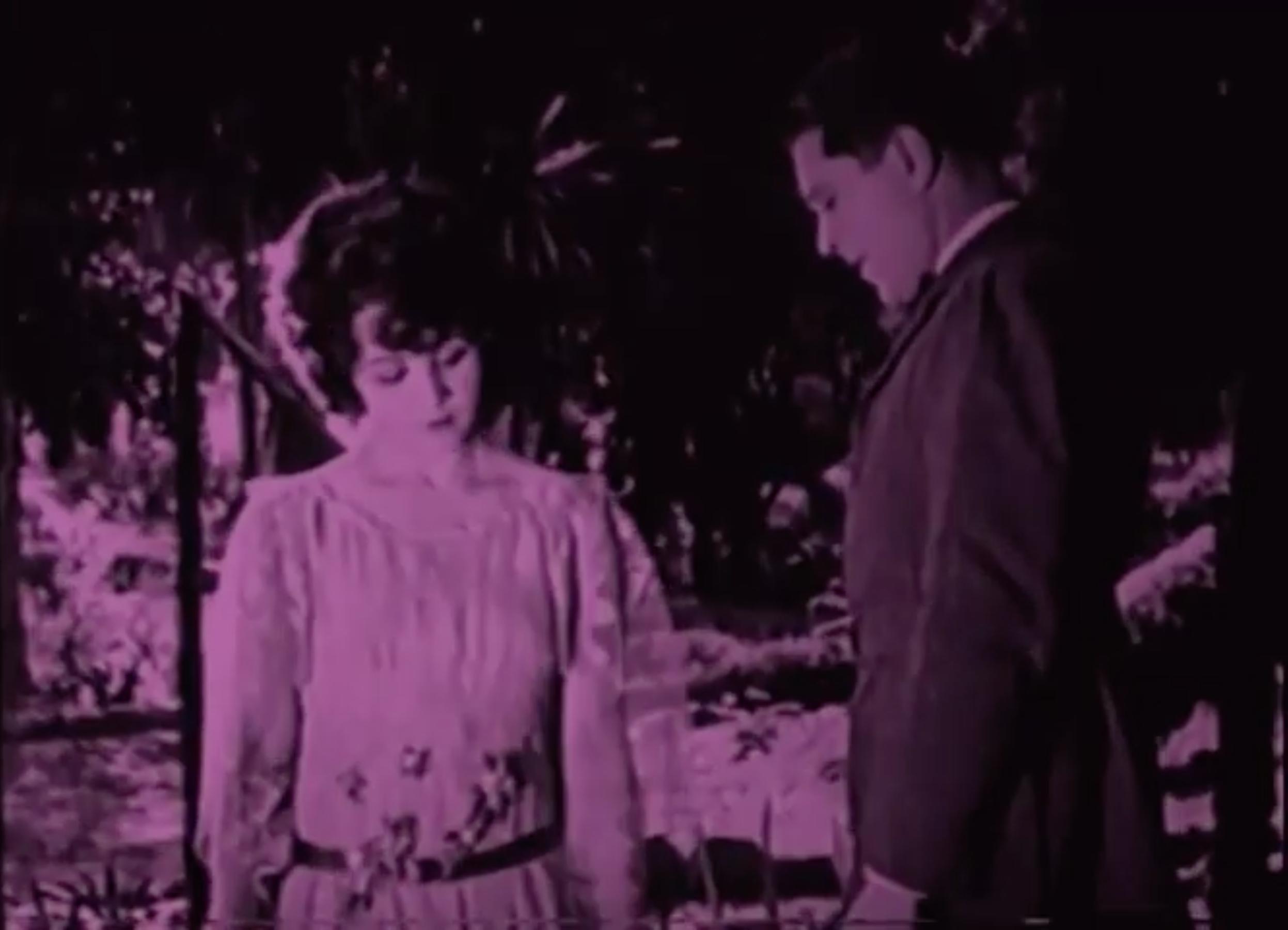
A definitive 7.8/10 rating for a film that redefined the boundaries of cult cinema. Sawdust remains a cornerstone of transgressive art.
The 1922 silent drama Sawdust unfurls like a tightrope act, balancing spectacle against the quiet weight of human frailty. From the outset, the film immerses us in the smoky haze of a traveling circus, where the bright lights mask a darker reality beneath the clatter of horses and the thud of applause. Gladys Walton’s Nita Moore is no mere performer; she is a woman whose talent is eclipsed by the ringmaster’s cruelty, a cruelty that is as much a performance as it is a punishment.
\nWalton’s portrayal is a study in restraint. Her eyes, wide and luminous, betray a yearning for freedom that contrasts sharply with the tightness of her costume. The camera lingers on her hands as she manipulates a silk ribbon, a subtle gesture that signals her internal choreography—an attempt to weave her own narrative in a world that constantly rewrites hers. The film’s early scenes are suffused with a sea blue (#0E7490) hue, lending an almost dreamlike quality to the circus’s glittering façade while simultaneously hinting at the depths of Nita’s despair.
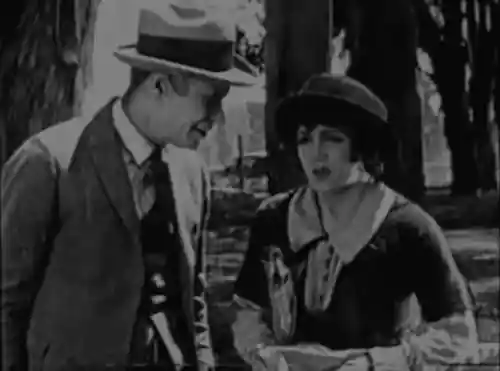
The decision to flee is both impulsive and inevitable. Walton’s Nita slips through the back door of the tent, the night air biting against her skin, and the camera follows her in a continuous shot that feels like a breath of fresh air. This sequence is a masterclass in silent storytelling—no dialogue, only body language and the rustle of the forest, yet the audience feels every heartbeat of her escape. The darkness of the night is punctuated by the occasional flicker of lantern light, a stark contrast to the bright, almost theatrical lighting of the circus itself.
\nThe old couple—played with quiet dignity by Edith Yorke and Herbert Standing—represent the antithesis of the circus’s chaos. Their home is a modest, sunlit space, the walls lined with faded photographs and a single, cracked portrait that hints at a life once lived in grandeur. When Nita steps into their kitchen, the scene feels like a gentle stage entrance, a new act that promises hope. The couple’s immediate acceptance of her as their daughter is both heartwarming and unsettling, a testament to the human need for connection even in the face of uncertainty.
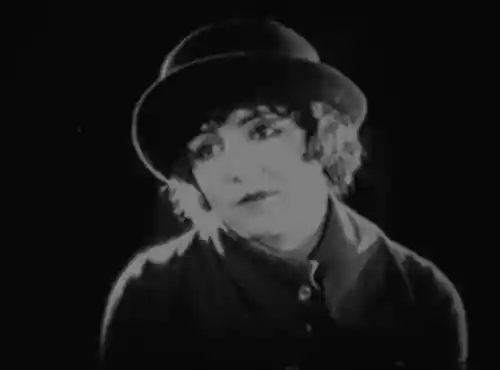
Enter Phillip Lessoway, portrayed by Niles Welch, the couple’s lawyer who embodies the rational mind. His arrival is marked by a calm confidence, his attire a dark orange (#C2410C) that stands out against the muted tones of the household. Lessoway’s first interaction with Nita is a study in subtle tension; his eyes scan her, searching for something beyond the surface. The chemistry that develops between them is palpable, and the film captures their growing affection through a series of lingering glances and shared smiles, all without uttering a single word.
\nHowever, the film’s true drama emerges when the truth about Nita’s identity is revealed. A heated argument between Lessoway and the couple’s lawyer unravels the delicate balance that had been built. Lessoway’s discovery—Nita’s imposture—serves as a pivot point, turning the narrative from a gentle romance into a moral quandary. The scene is shot in a stark, high-contrast style that underscores the gravity of the moment, and the camera cuts between faces, each expression a silent testament to betrayal, disappointment, and the fragility of trust.
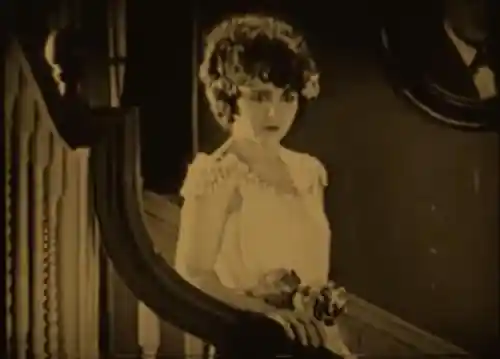
The film’s treatment of deception is reminiscent of The Girl and the Game, where identity is both a weapon and a shield. Yet Sawdust diverges by presenting deception as a desperate act of survival rather than a calculated ploy. Nita’s choice to assume a false identity is portrayed with empathy, prompting the audience to question whether her actions are condemnable or simply human.
\nThe climax is a harrowing tableau of emotion. Nita, confronted with her impending exposure, chooses a watery grave over the shame of being unmasked. The river, depicted in a deep sea blue, becomes a character in its own right—its surface reflecting the turmoil within her. The film’s cinematography here is striking; the camera follows the ripple of water as it swallows her silhouette, the darkness below hinting at the abyss.
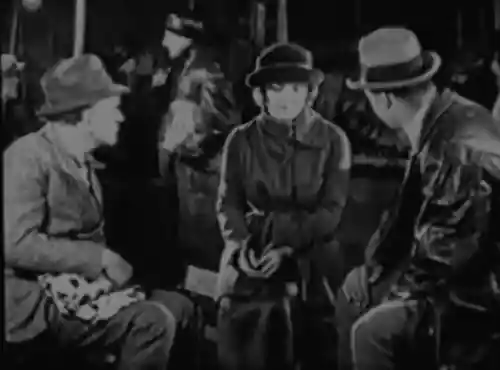
Just as all seems lost, Lessoway’s rescue is both literal and symbolic. His arrival is marked by a sudden burst of light, a visual metaphor for hope piercing the gloom. The act of pulling Nita from the river is rendered with a tenderness that counters the earlier brutality of the ringmaster’s abuse. This rescue scene, while dramatic, is handled with a subtlety that avoids melodrama, instead emphasizing the fragile humanity of both characters.
\nThe film’s ending is ambiguous, a deliberate choice that mirrors the uncertainty of post‑war America’s social fabric. Nita’s future remains uncharted, and the audience is left to ponder whether redemption is attainable when identity itself is built on falsehood. The final frame, a quiet shot of the couple’s home at dusk, leaves a lingering sense of unresolved longing, echoing the film’s overarching theme: that the pursuit of authenticity is a perilous journey.
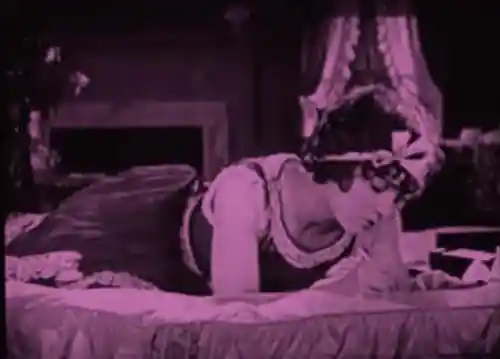
From a technical standpoint, Sawdust showcases a mastery of silent film aesthetics. The use of color—particularly the dark orange accents that punctuate key moments—creates visual rhythm. The film’s sound design, though limited to musical interludes, is strategically placed to underscore emotional beats, a technique reminiscent of early works by D.W. Griffith. The editing is fluid, with jump cuts that maintain narrative momentum while preserving the story’s emotional depth.
\nThe performances are uniformly strong, with Walton’s nuanced portrayal standing out. Her ability to convey complex emotion without dialogue is a testament to the power of silent cinema. Welch’s Lessoway is equally compelling; his restrained acting style lends gravitas to the moral dilemmas presented. The supporting cast, including Edith Yorke and Herbert Standing, provides a solid foundation, their understated performances allowing the central narrative to shine.
\nIn terms of thematic resonance, the film offers a profound commentary on the nature of identity and the human yearning for belonging. It questions whether a person’s worth is measured by their origins or by the choices they make. The narrative arc, from circus performer to presumed daughter to rescued survivor, mirrors the broader societal shifts of the 1920s, a period marked by rapid change and the redefinition of social roles.
\nThe film also invites comparisons to The Invisible Power and The Woman Conquers, both of which explore the themes of deception and empowerment. While those films lean more toward action, Sawdust remains grounded in character study, offering a quieter, introspective perspective.
\nUltimately, Sawdust is a testament to the silent film era’s capacity to convey complex narratives without spoken words. Its careful use of lighting, color, and performance creates a tapestry that is both visually arresting and emotionally resonant. The film’s exploration of identity, love, and redemption continues to echo in contemporary cinema, proving that even a century-old story can still speak to modern audiences.\n
IMDb 4.6
1924
Community
Log in to comment.