DbcultAccessing Vault...
6.2/10
Senior Film Conservator
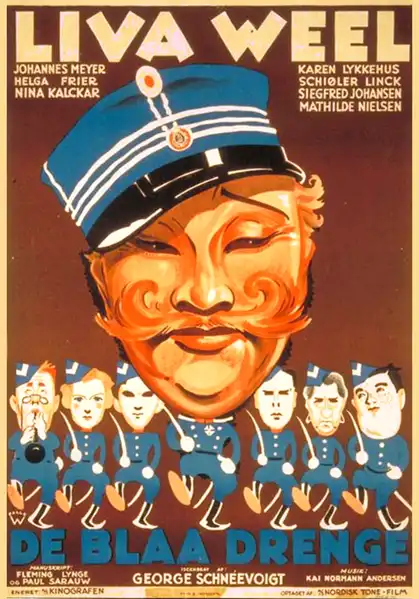
A definitive 6.2/10 rating for a film that redefined the boundaries of cult cinema. De blaa drenge remains a cornerstone of transgressive art.
Okay, so De blaa drenge is probably not for everyone. If you're into those quiet, kind of slow-burn Danish films from way back, especially ones that lean into small-town drama and theatre, then yeah, give it a shot. It's got a certain charm, a real period piece feel. But if you need explosions or even just a quick pace, you’re going to be reaching for your phone. This one takes its sweet time. 🕰️

The whole thing centers on Sylvia, a school teacher in some provincial town. She’s got this big love for the theatre. You can tell she pours all her feelings into it, especially after her heart got stomped on by the town’s colonel when she was younger. That old hurt just hangs in the air around her, subtle but there.
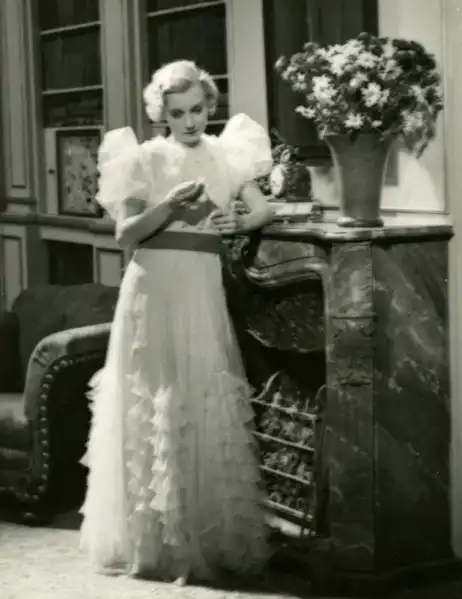
Her big crush? An actor named Herman Sander. He’s the kind of stage presence that probably mesmerizes everyone in the tiny local hall. You feel her yearning, even when she's just watching him from the wings, or maybe just thinking about him during a quiet afternoon lesson.
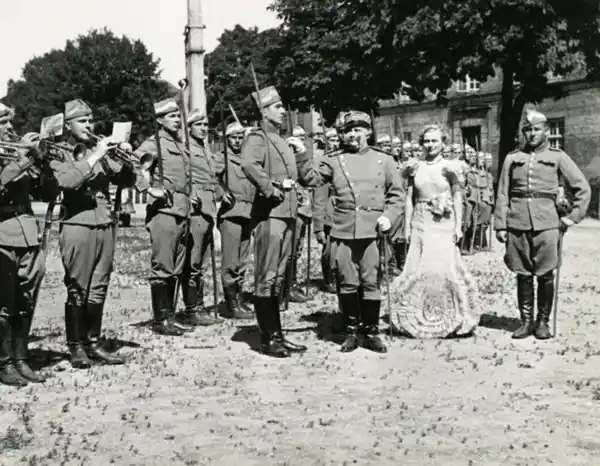
Things get stirred up when the colonel’s children start poking around. Spoiled brats, they are. They dig up old stories, old wounds. It's not like a big, dramatic confrontation, more like whispers and knowing glances that just sting Sylvia. You can almost feel the collective memory of the town coming alive, bringing all that old pain right back to the surface for her. There's a scene, I think it's at the local baker's, where one of the daughters just gives Sylvia this *look*. It speaks volumes without a single word. Really effective.
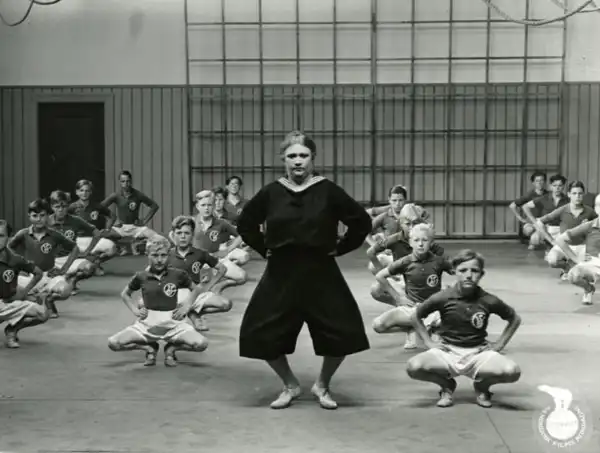
Then, Herman Sander actually arrives in town. Not just on stage, but in town. This is where the movie really picks up, at least in terms of internal tension. Suddenly, Sylvia's quiet world is turned upside down. It’s not just her crush anymore; he’s a real person, walking the same dusty streets.
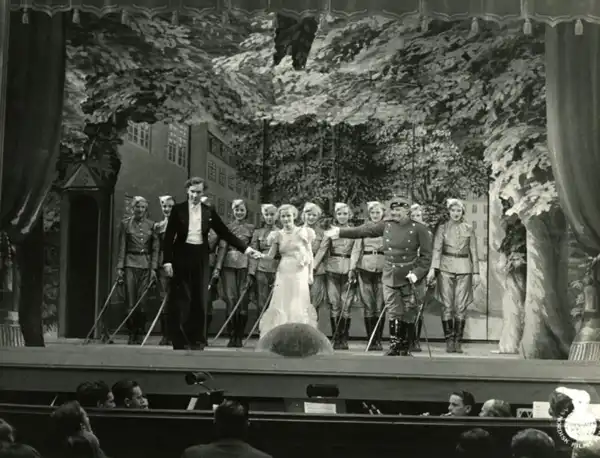
The pacing is… well, it’s deliberate. Some might say slow. But it lets you sit with the characters. You notice the little things. Like the way Sylvia always straightens her collar, even when no one’s looking. Or the slightly too-loud clatter of teacups in the colonel's house, showing just how *unsettled* everything is, even when they’re trying to act proper. ☕
The performances are very much of their time. Liva Weel, who plays Sylvia, has this quiet intensity. You just believe her. And Ib Schønberg, even in a smaller role I think, he always brings something special. He just has a way with the camera, even in those early films.
One odd moment that sticks with me is a town meeting scene. It goes on a bit long, focusing on some local ordinance about… chickens, I think? 🐔 It felt a little out of place, but also totally grounded the film in this specific, small-town reality. Like, *this* is what these people argue about. Not grand dramas, but poultry.
The film doesn't really offer big, sweeping answers. It just presents these lives, these tangled histories. It’s a snapshot. A glimpse. And you're left to think about Sylvia, and her choices, and what she really wants out of life. Does she get it? Well, that's part of the watching, isn't it? It leaves you with a feeling, not a definitive conclusion. A bit melancholic, maybe, but also hopeful in its own way. ✨
It’s not a film that screams for your attention. But it asks for it, politely. And if you give it, you might find something quite touching there. A little piece of a time long gone, captured beautifully. Definitely worth seeking out if you appreciate cinematic history, especially from Denmark.
IMDb —
1935
Community
Log in to comment.