DbcultAccessing Vault...
6.8/10
Senior Film Conservator
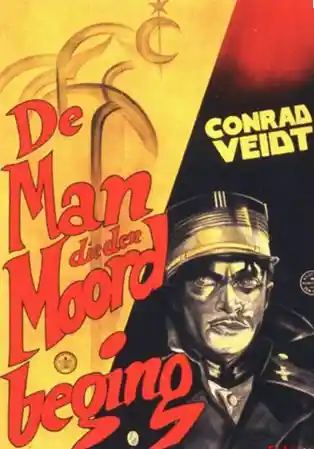
A definitive 6.8/10 rating for a film that redefined the boundaries of cult cinema. Der Mann, der den Mord beging remains a cornerstone of transgressive art.
Der Mann, der den Mord beging from 1929 is definitely not for everyone today. If you're into old silent films, the kind with big, expressive acting and a real dramatic flair, then yeah, give this a look. But if you need fast cuts and a modern pace, you’ll probably find yourself checking your watch every few minutes. It's a slow burn, but there’s a certain moody charm to it.
It’s about Marquis de Sévigné, a nobleman who falls for Lady Falkland. She's stuck in a terrible marriage with Lord Falkland, a truly awful fellow who treats her just terribly. This setup, you know, it’s classic tragic romance material, but it gets pretty dark.
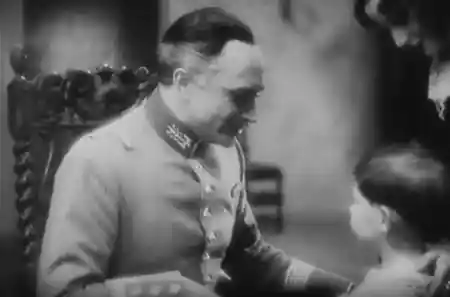
Conrad Veidt, he plays the Marquis, and he's got this intense stare that just draws you in. His whole posture speaks volume, even without words. He really carries that tormented lover vibe through the whole film, you can see it in his eyes.
Lady Falkland, played by Friedl Haerlin, she’s so delicate. You feel for her right away. Every time Lord Falkland, played by Heinrich George, comes on screen, the mood just drops, like a stone. George makes him such a *bully*, really, all big gestures and mean glares. The abuse isn't like, shown graphically, but it’s all there in the way she shrinks and he looms over her.
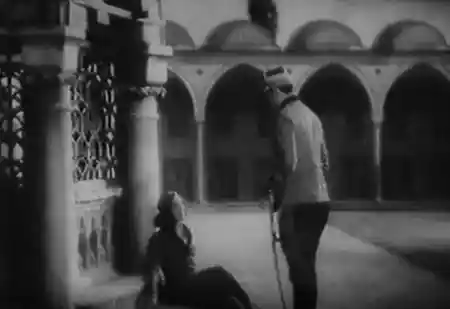
There's this one scene where Lord Falkland just snaps at her over something really small, a tiny slip-up. His face, it’s a mask of pure rage. And she just sits there, eyes wide, totally frozen. It lingers, that shot. It really makes you uncomfortable, even just watching it now. You just wanna reach through the screen.
The way Veidt's character just watches her, from a distance, it’s almost creepy how much he cares. You see the wheels turning in his head, this desperate desire to *do something*. He’s not a simple hero, though. He's so conflicted about his feelings.
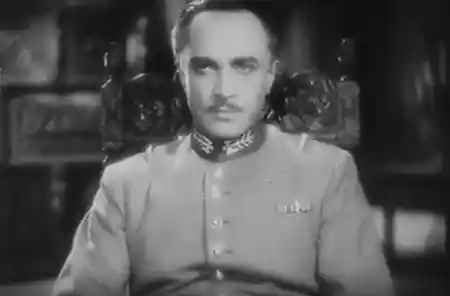
Sometimes, the intertitles feel a bit... heavy-handed. Like, we get it, he's suffering! But then a few words really hit, too. The German titles, even if you're reading the translation, have a certain poetic weight. They’re good.
The film has this slightly grand, operatic feel. The sets are pretty opulent, but also feel a bit confining, especially the Falkland estate. It's like a gilded cage for Lady Falkland, this big, beautiful house that's really just a prison.
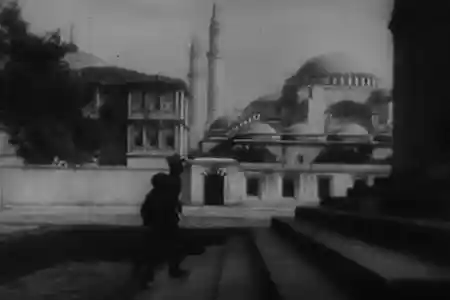
I remember a moment, a really brief one, where a servant drops something in the background, and it felt so real. Just a tiny detail that pulls you into the world. It’s those small things sometimes, that make you believe.
The pacing is definitely of its era. There are long stretches of characters just reacting, processing. No quick cuts to keep things moving. You just have to let the emotions unfold. Some might call it slow. I think it adds to the gravitas of the whole thing, makes the tension build up so much.
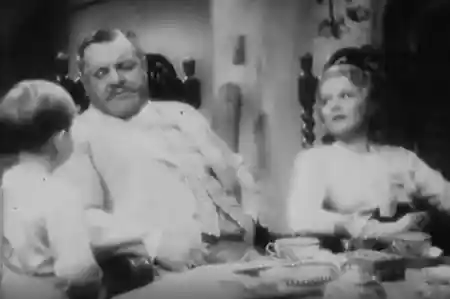
Heinrich George’s performance as the villain... he's just *so* good at being utterly despicable. He doesn't need to say a word. Just his eyebrows, his sneer, it's all there. You can feel the tension whenever he enters a room. It is quite thick.
And the costumes! Lady Falkland’s dresses are just gorgeous. They show off the fashion of the time really well. You notice these things in a silent film because there's less dialogue to distract you, your eyes just wander. It gives a certain elegance to the otherwise dark story.
There's a scene, a quiet one, where Sévigné is just pacing in his room, totally lost in thought. The camera stays with him for a long time. You can almost feel his anguish, his internal struggle, even without hearing a single sound. It’s effective, that kind of stillness.
The ending, without giving too much away, it doesn't offer easy answers. It leaves you with this knot in your stomach. Not a happy-ever-after kind of deal, not at all. It's quite bleak, actually. The silence really amplifies that feeling of dread and moral ambiguity, makes you think about it long after. 💔
It’s a powerful film for what it is. If you have the patience for it, and an appreciation for the era, it’s a compelling look at desperate measures and unhappy people. Not a casual watch, though. Bring some tea and settle in.
IMDb —
1916
Community
Log in to comment.