DbcultAccessing Vault...
Cult Review
Senior Film Conservator
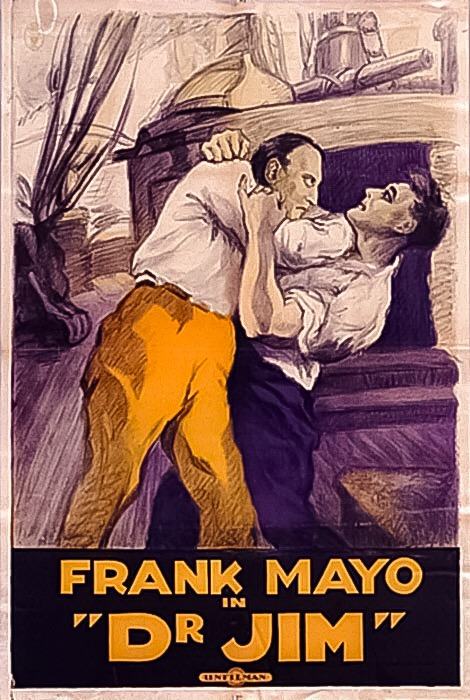
Dr. Jim, a 1920s silent film that marries the clinical precision of its protagonist’s profession with the raw emotional turbulence of his personal life, is a masterclass in visual storytelling. Directed with a meticulous eye by Eugene B. Lewis and Stuart Paton, the film transcends its era’s conventions to deliver a narrative that is as psychologically intricate as it is dramatically charged. The title character, portrayed with a mix of stoic intensity and simmering vulnerability by Gordon Sackville, embodies the archetype of the overworked professional whose emotional neglect fractures his marriage. His wife Helen, played by Claire Windsor with a blend of allure and moral ambiguity, becomes the catalyst for the film’s central conflict—a collision of love, betrayal, and redemption set against the vast, indifferent ocean.
The film’s opening act is a masterstroke of visual economy. The sterile, sunlit pediatrician’s office, bathed in harsh shadows that suggest the moral rigidity of its occupant, is juxtaposed with the dimly lit confines of Helen’s boudoir, where candlelight flickers like a heartbeat. This contrast—a recurring motif—sets the stage for the dissonance between Jim’s clinical world and the emotional chaos of his home. When a tragic misdiagnosis leads to a patient’s death, the film’s tone shifts: the camera lingers on Jim’s face, his eyes hollowed by guilt, as the sound of a metronome ticks in his pocket—a metronome that becomes a metaphor for the mechanical rhythm of his life, now broken.
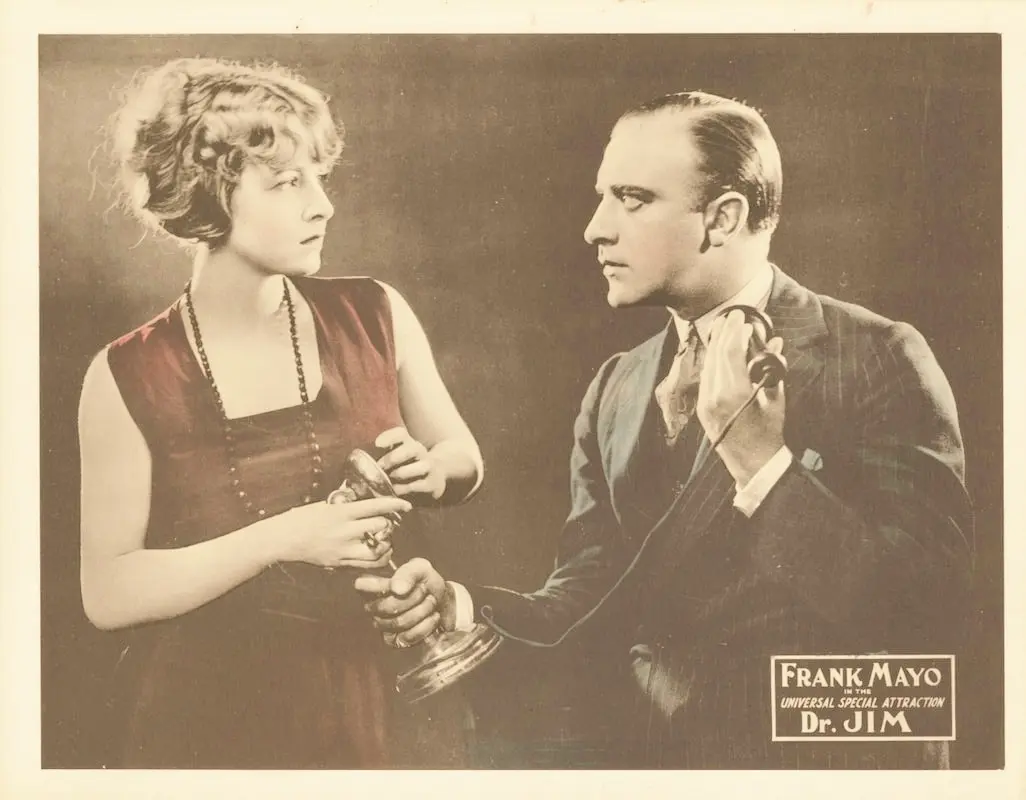
The sea voyage, ostensibly a journey to restore Jim’s health, is rendered with the eerie grandeur of a Wagnerian opera. The ship, a floating microcosm of societal hierarchies, is populated by a crew of ruffians whose brutish camaraderie contrasts with the Keenes’ strained intimacy. Helen’s initial discomfort among these men—a visual reminder of her isolation—is gradually replaced by a magnetic pull toward Captain Blake (Stanhope Wheatcroft), whose physicality and animalistic charisma are reminiscent of a sailor in The She Devil, but here transposed into a more primal, less stylized context. The chemistry between Windsor and Wheatcroft is electric, their silent exchanges laden with the tension of forbidden desire.
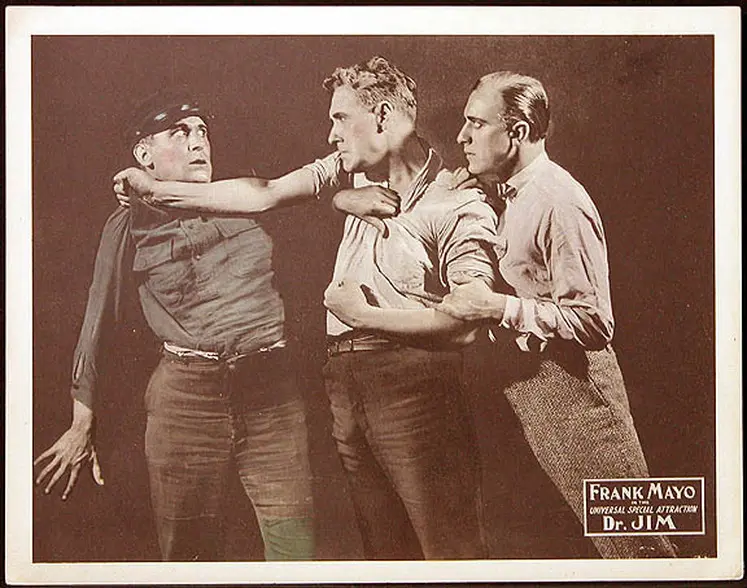
The storm sequence is a tour de force of cinematic language. As the mast crashes through the deck, the camera spirals in a dolly shot that mimics the chaos of the scene. Blake’s injury—a grotesque, almost mythic wound—forces Jim into a surgical emergency that becomes a symbolic battlefield. The operating table, a crucible of intellect versus brute force, is where the film’s themes coalesce. Jim’s meticulous, almost ritualistic movements during the surgery are a counterpoint to Blake’s later attack, a violent eruption of the id that Jim quells with cold, calculated precision. This act of subduing the antagonist is not just a physical victory but a philosophical one: the triumph of rationality over instinct, a theme echoed in The Law of Men but rendered here with greater emotional nuance.
Helen’s redemption arc is the film’s emotional nucleus. Her realization of her infidelity is not portrayed as a sudden epiphany but as a gradual, painful awakening. In a pivotal scene, she stands at the ship’s railing, the crashing waves a mirror for her inner turmoil, as she watches Jim tend to Blake. The editing here—quick cuts between her profile and Jim’s determined hands—captures the duality of her emotions: shame, longing, and a flicker of hope. Her final act of rushing to Jim’s side is not just a narrative resolution but a visual symphony of light and shadow, with her white dress symbolizing a tentative step toward purity.
The film’s use of color and lighting is revolutionary for its time. The stark chiaroscuro in Jim’s scenes—his face half in shadow, half in light—reflects his internal conflict, while Helen’s sequences are suffused with warm, golden hues that gradually cool as her moral compass falters. The storm’s tempestuous lighting, with its jagged flashes of lightning, parallels the emotional storms within the characters. These visual elements are not merely aesthetic choices but narrative tools that deepen the audience’s understanding of the characters’ psyches.
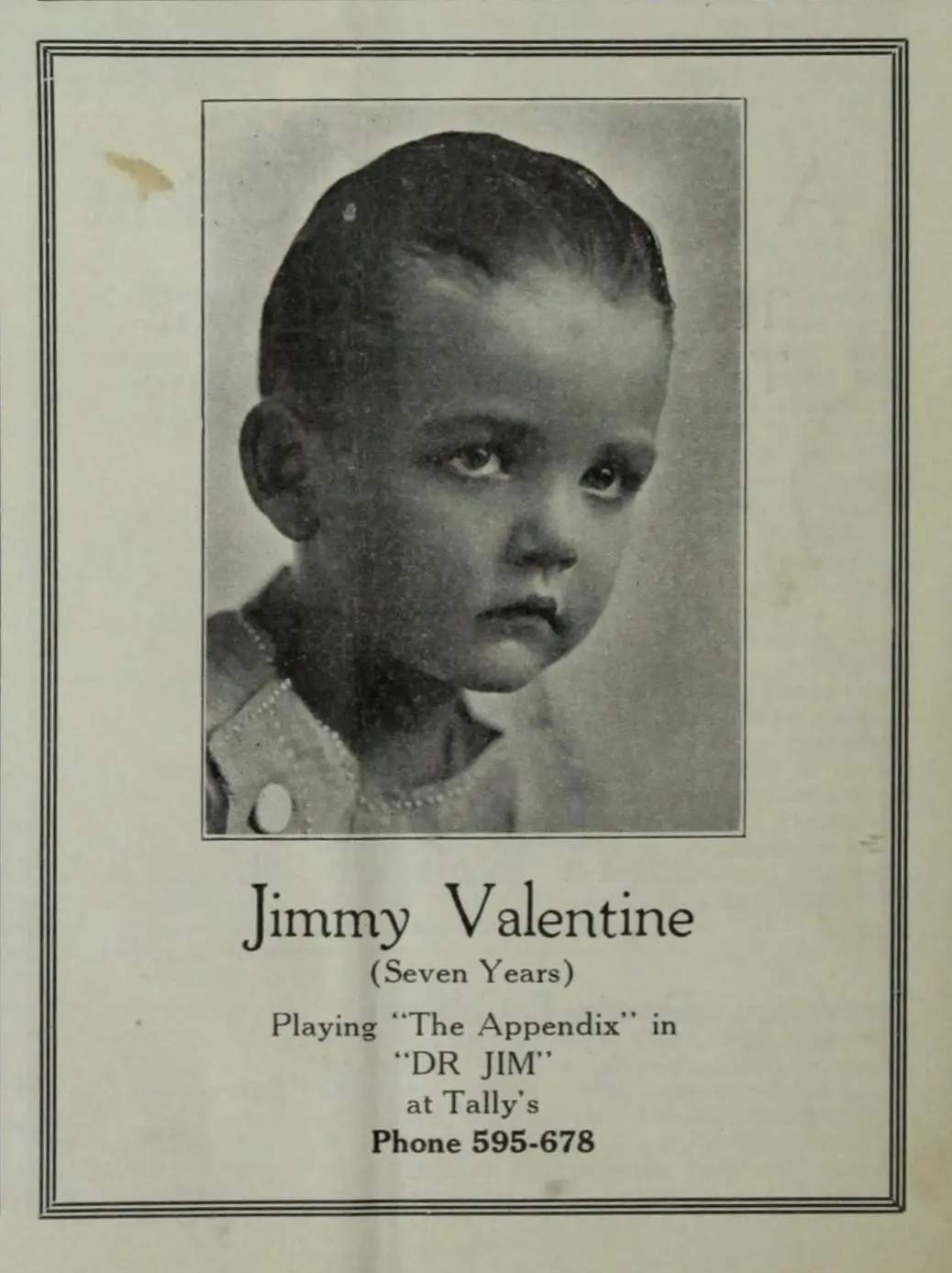
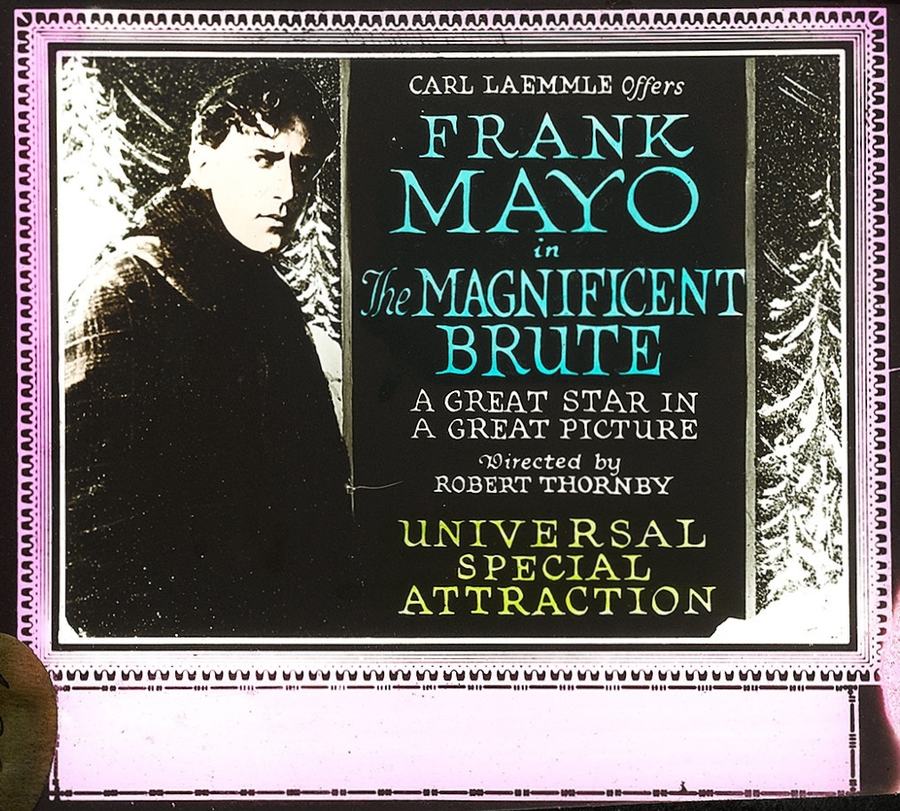
In the broader context of 1920s cinema, Dr. Jim stands out for its psychological complexity and thematic ambition. Unlike the more straightforward melodramas of the era, such as A Light Woman, this film dares to explore the gray areas of human behavior. The writers, Eugene B. Lewis and Stuart Paton, craft a screenplay that is both tightly paced and rich in subtext, allowing the actors to infuse their roles with layers of meaning. The supporting cast, including Frank Mayo and Robert Anderson, add depth to the ensemble, their caricatured ruffians serving as a Greek chorus to the Keenes’ tragicomedy.
One of the film’s most striking aspects is its treatment of gender roles. Helen is not a mere temptress or a Victorian heroine in distress; she is a fully dimensional character whose flaws and virtues are equally compelling. Her attraction to Blake is not portrayed as moral failure but as a reaction to her husband’s emotional absence. This nuanced portrayal, ahead of its time, invites comparisons to the strong female leads in The Vixen, though Dr. Jim offers a more introspective take on female agency.
The film’s score, though uncredited, is a subtle yet powerful presence. The use of leitmotifs—a recurring piano riff for Helen, a deep brass theme for Blake—creates an aural tapestry that enhances the emotional resonance of key scenes. The music swells during the storm sequence, its dissonant chords mirroring the chaos on screen, while the quiet, melancholic strains during Helen’s redemption arc underscore the pathos of her journey.
In conclusion, Dr. Jim is a cinematic achievement that deserves reevaluation in the context of modern film studies. Its exploration of marital disintegration, professional obsession, and personal redemption is as relevant today as it was nearly a century ago. The film’s enduring power lies in its ability to balance intellectual depth with visceral storytelling, offering audiences a profound meditation on the human condition. For those seeking a film that marries form and content with surgical precision, Dr. Jim is an essential viewing experience.
IMDb —
1921
Community
Log in to comment.