DbcultAccessing Vault...
6/10
Senior Film Conservator
A definitive 6/10 rating for a film that redefined the boundaries of cult cinema. Border Law remains a cornerstone of transgressive art.
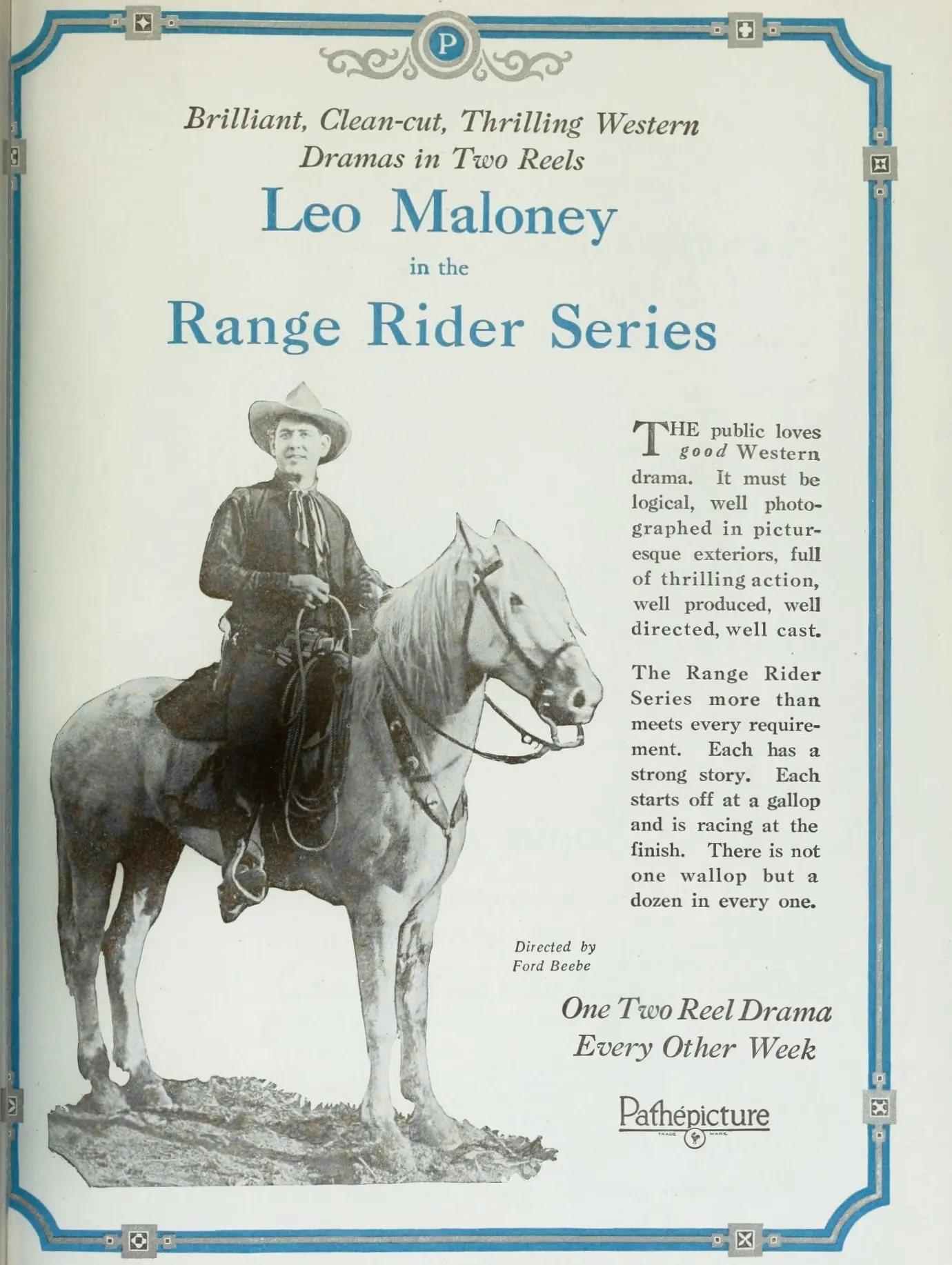
The narrative architecture of Border Law unfurls like a cracked desert floor—each fissure revealing a new layer of tension. Tom Grimes embodies Jim Whitaker with a stoicism that borders on melancholy, his eyes conveying a reservoir of unspoken longing for Elena (Pauline Curley), whose fiery temperament mirrors the sun‑baked landscape. The screenplay, penned by Leo D. Maloney and Ford Beebe, weaves a tapestry of duty versus desire, punctuated by the relentless pursuit of a cross‑border smuggling syndicate. The film’s pacing is deliberate, allowing the audience to savor the slow‑burn romance before the sudden incursion of violence when El Diablo (Bud Osborne) seizes Elena, propelling the plot into a high‑stakes chase through the Sierra Madre’s unforgiving crags.
Leo D. Maloney’s directorial hand is evident in the film’s composition; he employs long, lingering shots of the border’s stark horizon to evoke isolation, while intercutting tight close‑ups during gun‑fights to heighten visceral immediacy. The script’s dialogue‑free intertitles are sparingly used, relying instead on expressive body language—a hallmark of silent cinema that demands an actor’s physicality to convey subtext. The partnership between Maloney and Beebe yields a narrative that balances melodramatic romance with gritty realism, reminiscent of the thematic duality found in The Lone Star Rush.
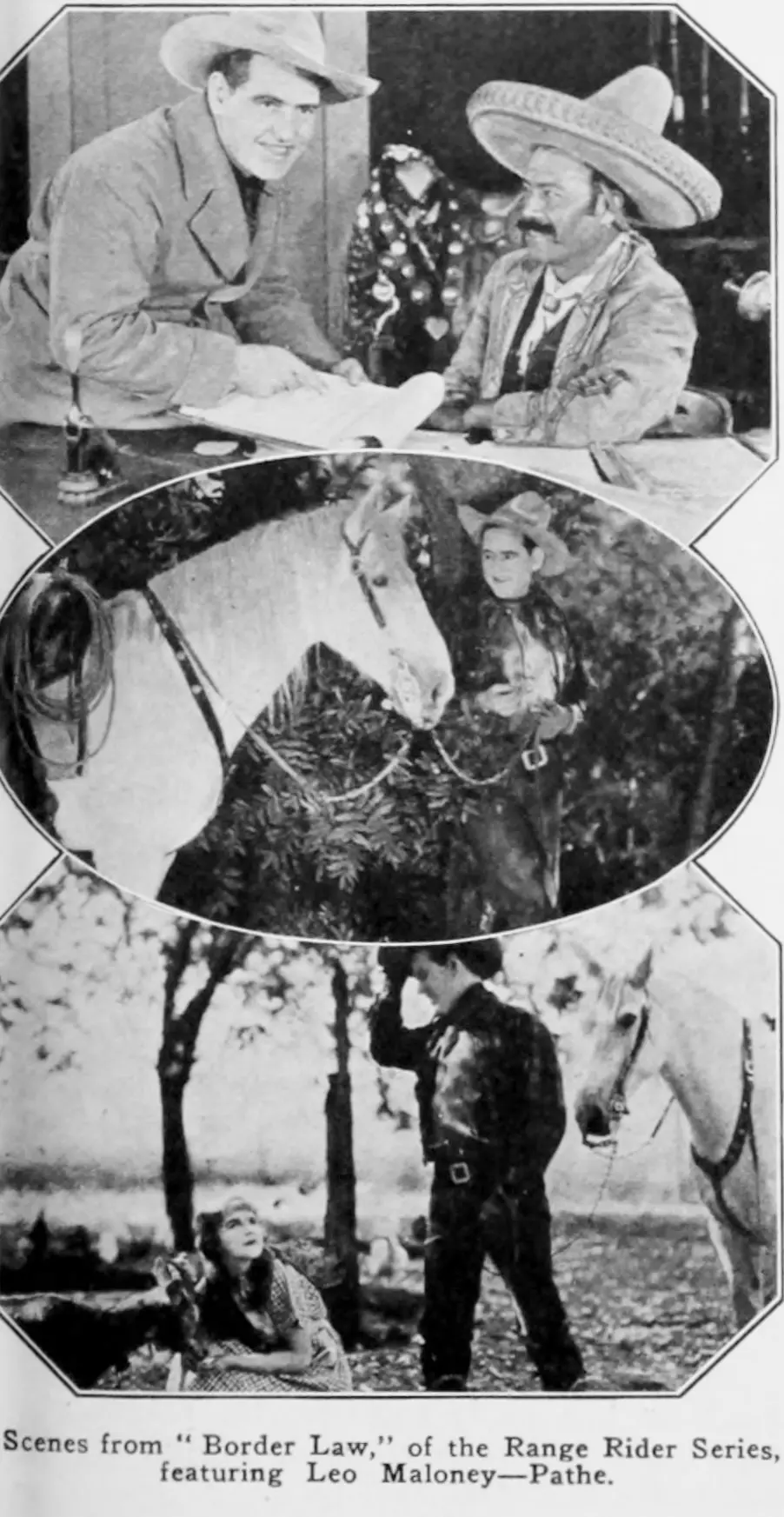
Grimes delivers a performance that oscillates between the archetypal Western hero and a vulnerable lover, his stoic façade cracking in moments of quiet introspection—particularly in the scene where he watches Elena’s silhouette against a burning sunset, the orange hue echoing the film’s thematic color palette. Pauline Curley’s Elena is not a mere damsel; she exudes agency, her defiant glances challenging the patriarchal expectations of the era. Bud Osborne’s El Diablo, though villainous, is rendered with a charismatic menace, his smirk hinting at a backstory untold, a narrative choice that adds depth to the antagonist. Supporting actor Pedro Valenzuela, as the seasoned Rurales captain, brings gravitas, his measured gestures underscoring the cross‑cultural collaboration central to the plot.
The cinematographer exploits the stark contrast between the blinding desert sun and the inky shadows of the mountain hideout, employing chiaroscuro to accentuate moral ambiguity. The use of natural light during daylight sequences creates a hyper‑realistic tableau, while night scenes are lit with flickering lanterns that cast elongated silhouettes, evoking a sense of foreboding. One particularly striking tableau features Whitaker perched atop a ridge, his silhouette rendered in dark orange (#C2410C) against a sea‑blue sky (#0E7490), a visual metaphor for his isolation and resolve. The film’s visual language aligns with the aesthetic sensibilities of contemporaneous works like The Broken Violin, where light serves as narrative punctuation.
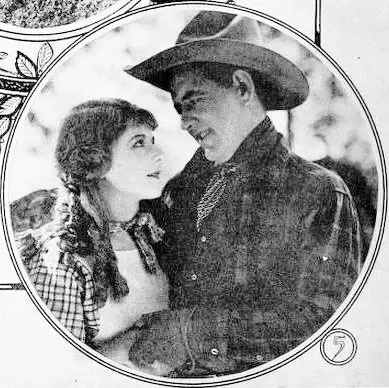
At its core, Border Law interrogates the porous nature of jurisdiction—both geographical and emotional. The alliance between the Texas Rangers and the Mexican Rurales illustrates a fragile camaraderie forged out of necessity, reflecting early 20th‑century anxieties about national sovereignty. Simultaneously, the love story between Whitaker and Elena underscores the personal cost of such alliances; their bond becomes a microcosm of the broader cultural negotiations occurring at the border. The kidnapping plotline serves as a catalyst, forcing characters to confront the thin veneer separating lawfulness from lawlessness. This thematic interplay resonates with the moral complexity explored in Masked Ball, where characters navigate societal masks and hidden motives.
When juxtaposed with the swashbuckling romance of Puppy Love or the stark realism of The Story of the Wolf, Border Law occupies a unique niche. It marries the tender sentimentality of early romance with the relentless grit of frontier action, a synthesis rarely achieved in the silent era. Moreover, the film’s cross‑cultural collaboration prefigures later sound-era Westerns that foreground binational narratives, making it a precursor to later classics such as Sin dejar rastros.
Although Border Law never attained the box‑office heights of contemporaries like The Polish Dancer, its influence persists in scholarly discussions of border cinema. Film historians commend its nuanced portrayal of binational cooperation and its daring use of location shooting in rugged terrain—an ambitious undertaking for 1924. Modern restorations have highlighted the film’s meticulous set design and the subtle interplay of color symbolism, reaffirming its status as a hidden gem within the silent Western oeuvre.
In sum, Border Law delivers a compelling blend of romance, action, and sociopolitical commentary, all rendered through the expressive visual language of silent cinema. Its characters are etched with depth, its cinematography is evocative, and its thematic resonance endures. For aficionados of early Westerns seeking a film that transcends formulaic tropes, this work offers a richly layered experience that rewards repeated viewings. The film’s daring narrative choices and aesthetic boldness secure its place as a noteworthy, if under‑appreciated, milestone in the evolution of the genre.

IMDb 7.3
1922
Community
Log in to comment.