DbcultAccessing Vault...
7/10
Senior Film Conservator
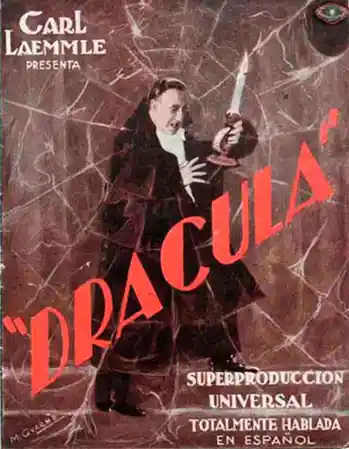
A definitive 7/10 rating for a film that redefined the boundaries of cult cinema. Drácula remains a cornerstone of transgressive art.
So, you think you've seen Dracula? Probably the Bela Lugosi one, right? But there’s this other one, shot at night on the very same sets, and it’s a whole different beast. If you're into digging up forgotten corners of film history, or just want to see how early talkies could get really weird, this 1931 Drácula (the Spanish-language version!) is absolutely worth your time. If you're looking for modern scares or pristine visuals, you might bounce off it hard. This is for the curious, the patient, and maybe the slightly obsessed film buffs. 🧛
It's fascinating, really. They shot the English version during the day, then the Spanish crew came in at night, often using notes from the previous day's shooting to try and one-up it. And honestly, they often did. The camera moves here are so much more fluid, not stuck in one place like some early talkies. You feel it right away when the camera glides through Dracula's castle. It's not static at all. It feels almost modern in that sense.
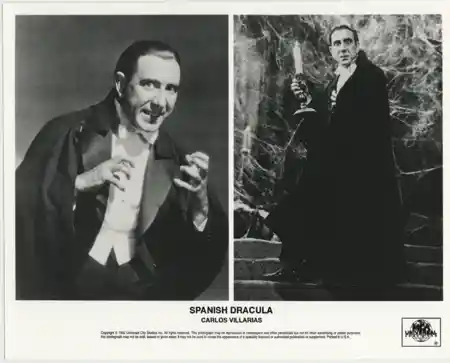
Carlos Villarías as Dracula? He's less elegant than Lugosi, maybe a bit more overtly menacing. Sometimes he almost feels like he's *trying too hard* with the sneer, but then a scene hits, and it just works. His eyes, especially. You can tell they tried to make him feel really, really other. He’s got this intense stare that really cuts through the black and white.
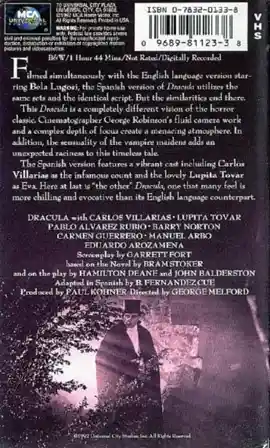
And Lupita Tovar, playing Eva (the Mina equivalent), is just captivating. There's a scene where she's under Dracula's spell, and her movements, her expressions, are so much more passionate. It's not subtle, but it doesn't need to be. She really sells the terror, but also the strange allure. Her eyes hold so much story. 👀
The pacing, for sure, is slower than anything made today. You have to settle into it. But then these little moments happen. Like the way Renfield (played by Pablo Álvarez Rubio) just twitches and giggles. Dwight Frye's Renfield in the English version is iconic, but Rubio's is just… more unhinged. He's always doing something odd in the background, making strange noises. It adds this layer of genuine discomfort. You can't take your eyes off him.
Manuel Arbó, as the Professor Van Helsing character, has a real presence too. He’s got this air of authority. And his moments with Dracula, even if they're mostly talking, feel like genuine clashes of wills. There's a confidence there you don't always see in these early films.
One thing that really stands out: the shadows. They just *lean* into the shadows. Everything is so starkly lit, with deep blacks swallowing up the corners of the frame. It makes the sets feel huge and terrifying, even if you know they're just studio pieces. It’s a masterclass in atmosphere, honestly. They knew how to make things spooky with just light and darkness. 🕯️
The whole thing is just... bolder. The camera work, the performances, even some of the costumes for the female characters feel a little more revealing than you might expect for 1931. It gives the film a slight edge. You can tell the crew, working at night, felt a bit more freedom to experiment. They took risks.
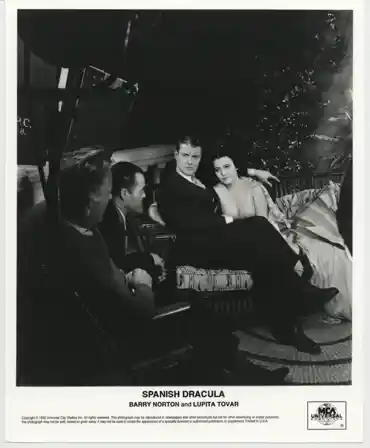
There are some truly unsettling moments, even if the special effects are, well, 1931 special effects. The bats, for instance, are pretty obviously wires, but the *idea* of them, the quick cuts, still creates a chill. It's about what you *don't* see as much as what you do.
Sometimes the dialogue feels a bit stilted, sure. It's an early talkie, you expect that. But the actors throw themselves into it with such conviction that you mostly forgive it. They really wanted you to believe this wild story.
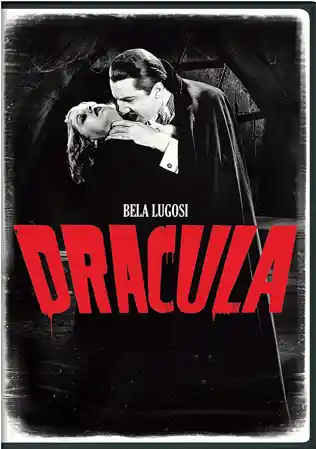
So, yeah. If you're ever doing a deep dive into classic horror, or just curious about how film history sometimes hides its best bits, definitely seek out the Spanish-language Drácula. It's an experience. Not perfect, not always smooth, but absolutely memorable. A real gem, this one.
IMDb —
1931
Community
Log in to comment.