DbcultAccessing Vault...
Cult Review
Senior Film Conservator
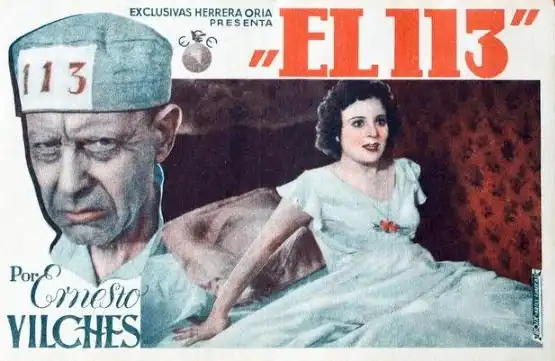
So, El ciento trece. This 1935 Spanish film is absolutely one for the curious movie buffs, the ones who dig into cinema history, not just for academic reasons but for the vibe of it all. If you're into dusty old mysteries with a melodramatic edge, where everyone gestures a lot, then yeah, give it a shot. But if you need snappy dialogue and quick cuts, or anything remotely modern, you'll probably find this one a bit of a slog. It's a niche watch, truly.
The plot itself, well, it centers on a guy known only as "The One Hundred Thirteen." He’s got secrets, naturally. And these secrets are tied into a family with some deep, dark issues, which feels very much like a play from the era. The whole thing unfolds with a certain deliberateness, shall we say. 🕰️
What struck me first was the atmosphere. It’s all stark black and white, obviously, but the way the shadows are used, especially in the interiors, is really something. There’s a scene in a study, late at night, and the lamplight just cuts across Cecilio Rodríguez de la Vega’s face in a way that’s genuinely moody. You don't see that kind of shadow play as much anymore, not like this.
Cecilio, as the titular "One Hundred Thirteen," carries a lot of the film with his intense stares. He doesn’t say much, for a good chunk of it anyway. It's all in the eyes, which, you know, can be effective, but sometimes you just want him to *spit it out*. 🤷♀️
Luchy Soto, on the other hand, she’s all vibrant energy. Her character, a young woman caught up in this mess, feels like she walked in from a different movie sometimes. Her reactions are big, almost theatrical. There’s a moment she gasps, and it feels like the whole room just holds its breath with her, a little much, maybe.
The pacing is… well, it’s 1935. Things don’t rush. A conversation that today would be two quick lines might stretch into a full minute of glances and meaningful pauses. You really feel the stage influence here. It’s like watching a play on film, but they haven’t quite figured out *film language* yet.
There's this sequence where someone is trying to sneak a letter out of a locked room. It takes forever. Every single step, every creak of the floorboard, every nervous glance is milked for all it's worth. It’s suspenseful, sure, but also a test of patience. My cat got up and stretched three times during that bit. 🐈⬛
Alfredo Mayo plays the villain-ish type, and he's got this sneer that just screams "bad guy." No subtlety there, which is kind of charming in its own way. You always know exactly who you're supposed to dislike. His moustache, too, it’s just *perfectly* villainous.
One weird thing I noticed: the hats. Everyone has amazing hats. The women's cloches, the men's fedoras. They’re like characters themselves, almost. There’s one particular wide-brimmed hat Luchy Soto wears in an outdoor scene. It looks very stylish, even today.
The film attempts a few twists and turns, but they’re telegraphed pretty heavily. You can often see them coming a mile away, especially if you’ve watched a few of these older mysteries. That’s not really a knock, just an observation. It’s part of the charm, knowing the tropes.
Some of the dialogue felt a little stiff to me, translated of course, but even the rhythm of it. Like people are giving speeches instead of having conversations. "Oh, the weight of this secret bears heavily upon my very soul!" you can almost hear it. But then again, maybe that's how people talked back then, who knows?
I was half expecting a big, dramatic reveal at the end. And it delivers, in its own 1930s way. Not with a bang, more like a polite, drawn-out sigh of relief. The camera lingers on the faces, letting the emotions play out a beat or two longer than you'd expect. It’s very *earnest*, if nothing else.
It's interesting to compare it to American films of the same period, like maybe Snobs or even The Three Bears, which would have had different conventions, quicker pacing perhaps, even though also old. "El ciento trece" feels distinctly European in its pace and emotional depth, or at least how it tries to portray depth.
Is it a masterpiece? No. But is it worth watching if you're into the history of cinema and want to see how mysteries were told before everything got so slick? Absolutely. It’s a window into a different time, a different style. It makes you think about how much film has changed, and how much human drama stays the same. The whole thing feels like a dusty old book you found in an attic. Not a bestseller, but full of character. 📖
Just a few quick thoughts that popped into my head watching it:
IMDb —
1932
Community
Log in to comment.