DbcultAccessing Vault...
Cult Review
Senior Film Conservator
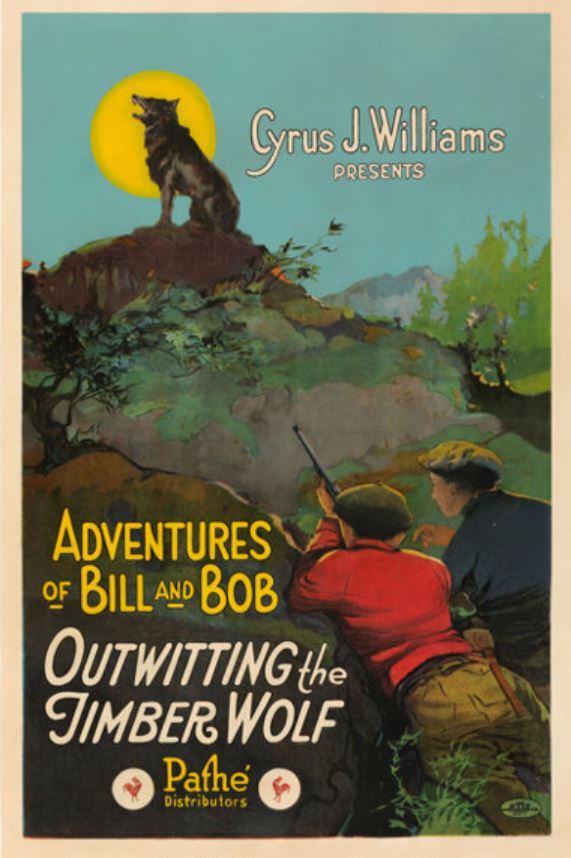
Outwitting the Timber Wolf is a film that lingers like the scent of pine smoke—pungent, elusive, and quietly transformative. Released during Hollywood’s heyday of low-budget Westerns, it carves out a niche by merging genre tropes with proto-ecological messaging. The 1943 film, directed anonymously under the constraints of Poverty Row production, feels less like a relic and more like a prophecy. Its central conflict—a logging town’s confrontation with a vengeful timber wolf—resonates with the urgency of modern climate discourse, albeit filtered through the lens of 1940s American mythmaking.
Bob Steele, as Jack Marlowe, embodies the classic Western archetype of the flawed industrialist. His performance is neither villainous nor heroic; instead, Steele’s Marlowe is a man of his time—a capitalist who views forests as raw materials. When the wolf begins attacking lumberjacks, the townsfolk demand retribution, but Marlowe’s hesitation hints at a deeper self-doubt. Bill Bradbury, as game warden Thomas Hale, serves as the film’s moral counterweight. Bradbury’s portrayal is understated yet magnetic, his dialogue laced with lines like, “We’re not gods of this land, Marlowe. We’re guests,” which feels strikingly prescient.
The film’s cinematography, shot largely on location in Oregon’s dense forests, is its unsung star. Fog-draped sequences and wide-angle shots of logging operations evoke a sense of entrapment. The wolf itself is depicted through a mix of practical effects and shadowy cinematography, making it a creature of myth as much as biology. One standout scene—a nighttime sequence where the wolf’s glowing eyes pierce the darkness—uses chiaroscuro lighting to elevate the creature into a symbol of nature’s wrath.
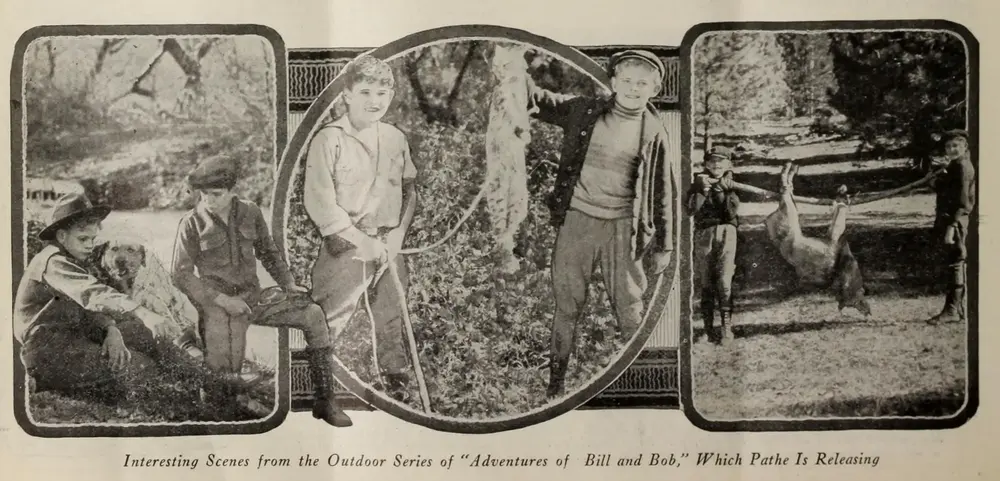
While The High Horse (1953) leans into moral binaries of good vs. evil, Outwiting the Timber Wolf thrives in ambiguity. Its ecological message prefigures films like The Fugitive (1993) in its portrayal of man vs. nature as a psychological battle. The pacing, however, is more reminiscent of 1940s noir, with its brooding atmosphere and morally complex stakes. Unlike the whimsical tone of Tom Sawyer (1930), this film wears its seriousness like a heavy overcoat.
Steele’s Marlowe is a revelation in a genre often defined by one-dimensional heroes. His scenes with Bradbury crackle with ideological friction, particularly in a mid-film confrontation where Hale accuses Marlowe of “selling the earth for a handful of dollars.” Bradbury, meanwhile, imbues Hale with the quiet dignity of a man who knows he’s fighting a losing battle. Supporting roles—logging foremen, townsfolk—are sketched with economy, yet each interaction reinforces the film’s central theme: that progress is always a negotiation.
Though set in the 1940s, Outwiting the Timber Wolf speaks directly to contemporary debates about resource exploitation. The film’s climax—where Marlowe and Hale outwit the wolf not by killing it, but by relocating it—echoes modern conservation ethics. This resolution, however, feels bittersweet. The wolf’s retreat is not a victory, but a truce; the forest, though spared for now, remains vulnerable. In this, the film mirrors the precariousness of climate activism: solutions are temporary, and the battle is ongoing.
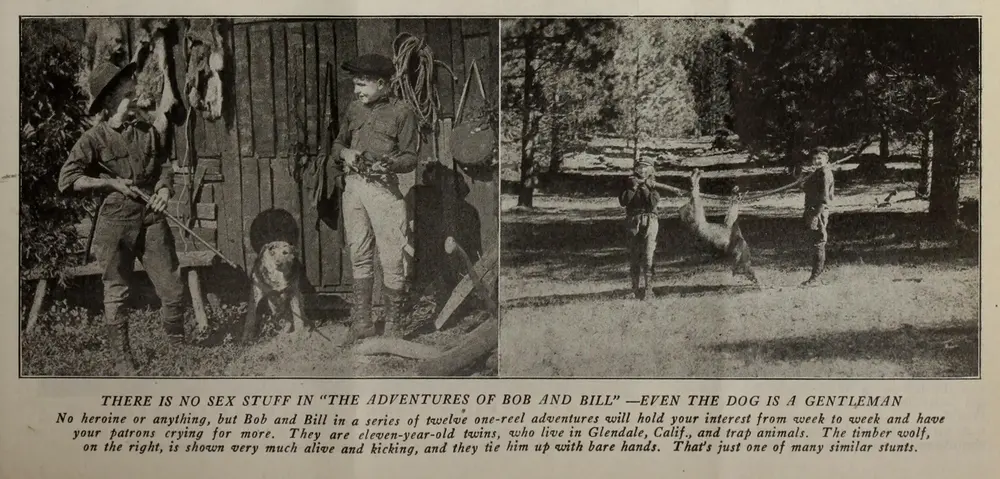
For collectors and genre enthusiasts, Outwiting the Timber Wolf is a hidden gem. Its fusion of B-Western grit and environmental parable is both charming and unsettling. While it lacks the polish of Hollywood A-list productions, its raw authenticity is its greatest strength. Fans of The Best Mouse Loses (1989) or Jewel (1996) will find here a precursor to stories where nature is not a backdrop but a character with agency.
Outwiting the Timber Wolf is more than a relic of mid-20th-century filmmaking—it’s a cautionary tale wrapped in the aesthetics of a bygone era. Its message, though urgent, is delivered without didacticism. This is a film that invites viewers to ponder their own relationship with the natural world, to ask whether humanity’s dominion is a right or a responsibility. In an age where climate crises dominate headlines, its questions remain as vital as ever.
For those seeking a Western that transcends cattle-rustling and shoot-outs, this film offers a rare blend of suspense, ecological meditation, and old-school Hollywood craftsmanship. Watch it not just for the performances or direction, but for the haunting reminder that every forest has its own language—and we are still learning to speak it.
IMDb —
1928
Community
Log in to comment.