DbcultAccessing Vault...
4.4/10
Senior Film Conservator
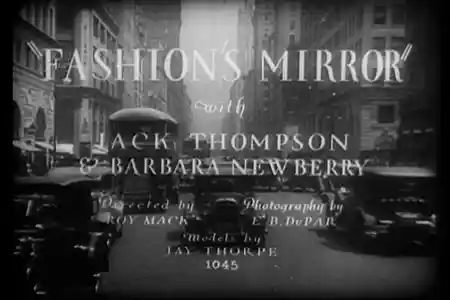
A definitive 4.4/10 rating for a film that redefined the boundaries of cult cinema. Fashion's Mirror remains a cornerstone of transgressive art.
You should probably watch Fashion's Mirror if you have a soft spot for early sound movies that feel like they were filmed in a closet. It is perfect for people who like 1930s fluff and the specific kind of comedy that involves people talking very fast about things that don't really matter.
If you are looking for a deep drama or something with 'cinematic scale,' you will absolutely hate this. It’s basically a stage play with some dresses and a few catchy-ish tunes.
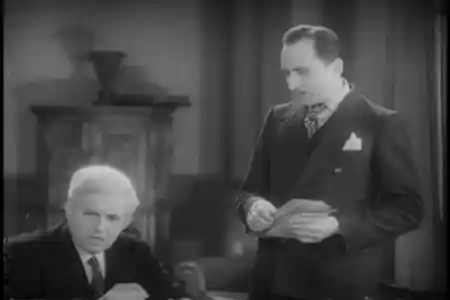
The whole plot centers on Duval’s Fashion House, which is apparently on the verge of death. Mr. Duval is this classic grumpy movie dad who spends most of his time yelling at his son, Jack Thompson.
Jack is a total playboy. He’s more interested in gambling and hanging out with his girlfriend, Betty, than looking at fabric swatches.
I actually found the gambling scenes kind of funny because they make it look so much more stressful than it probably was. It reminded me a bit of The Gambling Fool, where the 'vice' of gambling is the only personality trait the lead has.
Jack Thompson has this very stiff way of moving. He looks like he’s constantly trying to remember his next line while also trying not to knock over the furniture.
But the movie really starts to breathe when Pert Kelton shows up as Betty. She has this incredible, brassy energy that just cuts through the boredom of the office scenes.
Betty is a chorus girl, and she thinks the fashion world is way too stuffy. Her big idea? Jazz it up.
There is a scene where she tells Jack that fashion shows are outdated. She says it with so much conviction you almost believe her, even though the idea of a 'musical fashion show' sounds like a nightmare to actually attend.
The movie gets much better once they stop talking about business and start planning the big show. It stops taking the 'bankruptcy' plot seriously and just becomes a variety hour.
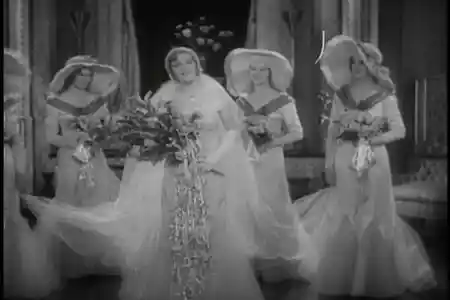
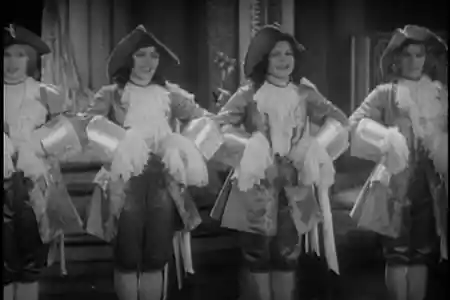
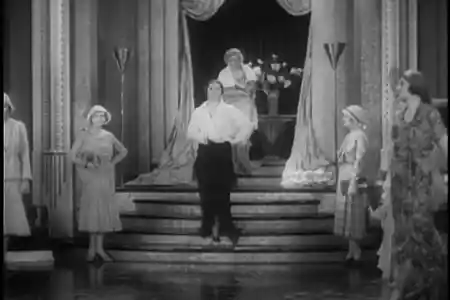
The fashion show itself is the highlight, obviously. It’s weirdly charming to see these 1930s models trying to do musical numbers while wearing giant hats.
One model in the background looks genuinely confused about where she is supposed to stand. I watched her for about two minutes straight because she kept almost walking into the lead singer.
The music is fine, but the audio quality is that typical 1930s 'hiss' that makes everyone sound like they are underwater. It adds to the vibe, honestly.
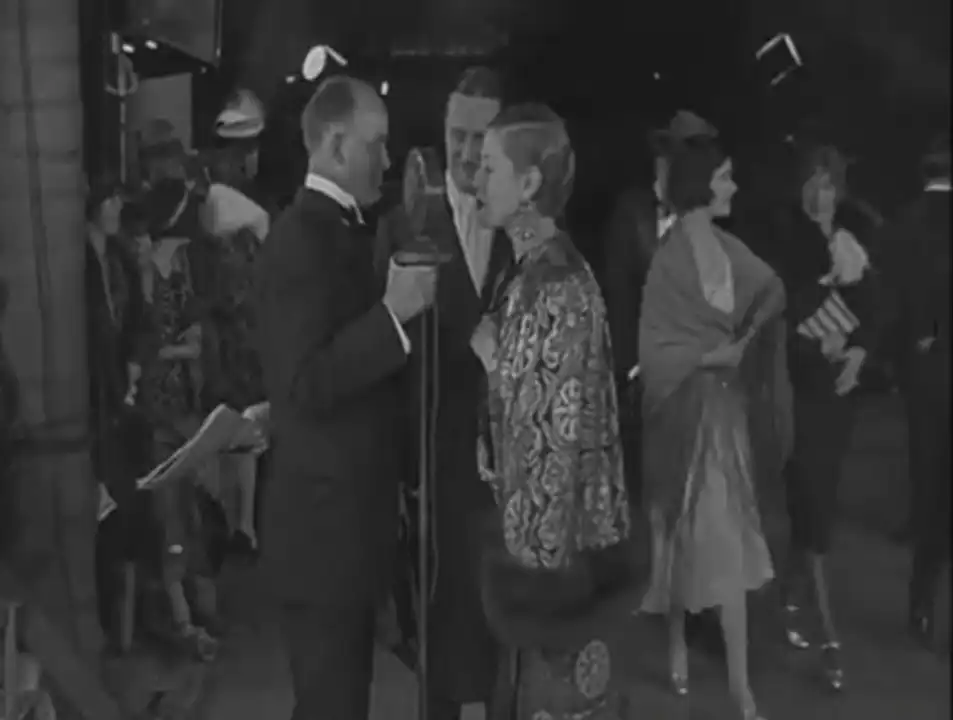
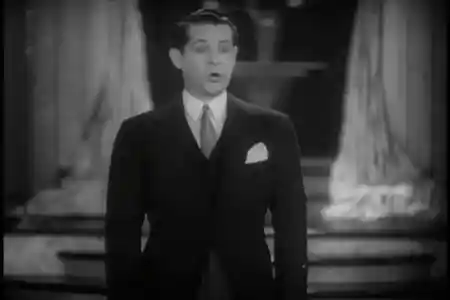
There’s a moment where Jack is acting as the emcee and he’s so awkward that it feels real. Like, he isn't playing an awkward character; the actor just seems genuinely nervous about the microphone.
I also noticed that the set for the fashion house looks suspiciously like a hotel lobby. They didn't even try to make it look like a place where clothes are actually made.
It’s a bit like Trying to Get Along in the sense that everyone is just struggling to keep their head above water while being 'fabulous.' The stakes feel high to the characters but totally invisible to us.
The pacing is a little bit bumpy. Some scenes in the middle where they argue about the budget go on for way too long.
You can tell they were trying to stretch the runtime because they repeat a few of the same jokes about Jack's gambling. We get it, he likes cards!
But then Pert Kelton will do a facial expression or a quick line delivery that saves it. She really was the best part of these early talkies.
The ending is exactly what you think it is. Spoilers: the show is a hit, and everyone is happy, and the business is saved by the power of dance.
It’s not a masterpiece, but it’s a nice way to spend an hour if you like seeing how people used to imagine 'modern' business. It’s sweet, clunky, and very human in its mistakes.
If you’ve seen Her Accidental Husband, you’ll recognize that same kind of 'society drama' mixed with comedy. It’s a very specific flavor of old Hollywood.
Don't go in expecting much and you'll have a good time. It’s like finding a 100-year-old postcard in an attic—it’s just neat to look at.
IMDb 6.2
1934
Community
Log in to comment.