DbcultAccessing Vault...
4.9/10
Senior Film Conservator
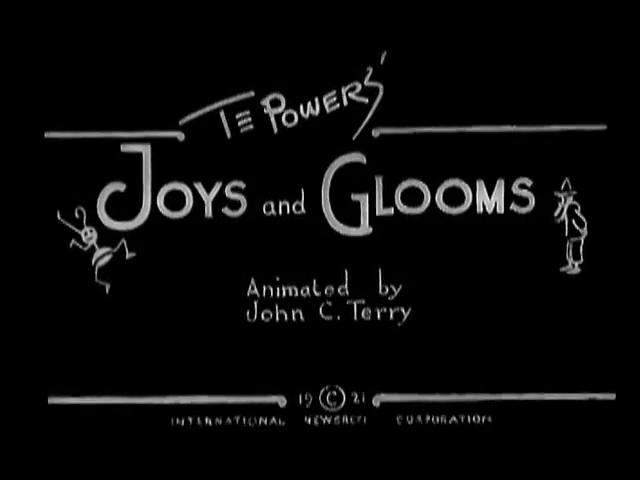
A definitive 4.9/10 rating for a film that redefined the boundaries of cult cinema. Joys and Glooms remains a cornerstone of transgressive art.
*Joys and Glooms* is not a film for the impatient. It demands that you lean into its quietude, surrender to the slow burn of a narrative that finds epic drama in the everyday. The husband, frozen in a liminal space between domesticity and restless anticipation, embodies the modern man’s silent struggle to remain present in a world that prizes haste. His wife’s shopping trip, meanwhile, becomes an allegory for the chaos of consumerism and the performative nature of social interaction. Together, their parallel journeys form a duet of solitude, scored by the ambient noise of rustling bags and distant chatter.
What elevates this film beyond its sparse premise is its meticulous attention to detail. The camera lingers on the husband’s twitching fingers, the way he stares at his watch not out of impatience but existential dread. When the wife enters the store, the mise-en-scène shifts: fluorescent lights harsh and unyielding, aisles stretching like corridors of capitalism, her face a mask of calculated determination. Each interaction she has with other shoppers—a raised eyebrow, a brusque apology, a begrudging smile—unfolds with the ritualistic gravity of a high-stakes negotiation. It’s here that the film’s true genius reveals itself: the mundane becomes mythic.
Comparisons to *A Mother’s Ordeal* are inevitable, given the shared focus on domestic tension. Yet where that film leans into overt melodrama, *Joys and Glooms* thrives in its restraint. The husband’s internal monologue is never verbalized; instead, it’s etched into the creases of his brow, the way he absentmindedly adjusts a lamp’s angle as if seeking to control the passage of time. Similarly, the wife’s journey mirrors the claustrophobia of *The Weavers of Life*, though her struggle is not against societal expectations but the invisible hierarchy of supermarket queues. These parallels are not coincidental—they are the threads stitching this film into a broader tapestry of human experience.
The cinematography, a blend of natural light and stark shadows, amplifies the emotional stakes. When the wife finally secures her coveted bargain—a loaf of bread, a bottle of olive oil—the triumph is undercut by the hollow ache of victory in a system designed to make us feel like losers. The husband, meanwhile, is trapped in a different kind of purgatory, his world shrinking to the size of a living room chair. These dual narratives converge in the film’s denouement, where the couple’s reunion is neither cathartic nor ironic but achingly ambiguous. They exchange glances that say everything and nothing, a testament to the film’s refusal to offer easy resolutions.
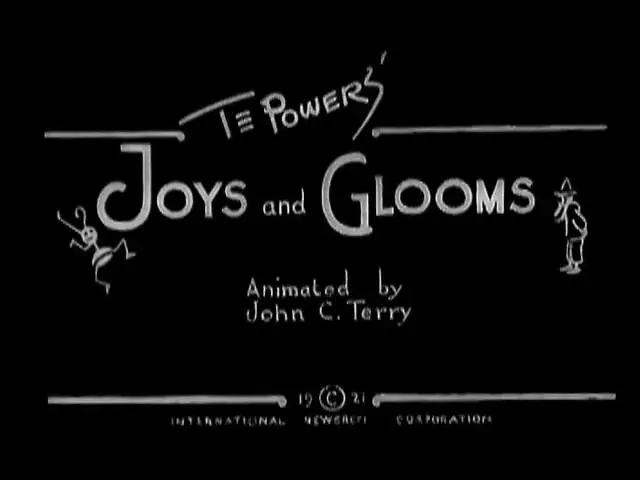
For cinephiles familiar with the work of Murnau or Sembene, *Joys and Glooms* will feel both alien and familiar. It lacks the sweeping romanticism of *Three Strings to Her Bow* or the absurdist humor of *His Musical Sneeze*, yet it shares their dedication to capturing life’s messy authenticity. The film’s pacing, deliberate to the point of discomfort, rewards viewers who embrace its rhythm. It’s a reminder that great art often resides in the spaces between—a dropped item left uncollected, a glance averted, the silence after a door closes.
What makes this film particularly resonant in 2024 is its prescient commentary on the erosion of patience in a hyperconnected age. The husband’s waiting room is not just a physical space but a metaphor for the modern condition: stuck between past and future, longing for meaning in a world that offers only transactions. The wife’s battles in the store echo the broader societal push-pull between individualism and collectivism, a theme also explored in *Insulting the Sultan* but rendered here with far greater subtlety.
Technically, the film is a marvel. The sound design—hums of refrigeration units, the staccato of shopping carts—creates an auditory landscape as rich as its visual one. The score, minimal yet haunting, features motifs that echo the heartbeat of both characters. In one particularly striking sequence, the wife’s footsteps sync with the ticking clock in the husband’s apartment, a sonic bridge between their isolated worlds. Such moments are not just clever; they are emotionally resonant, anchoring the film’s abstract themes in tangible sensory detail.
Critics may argue that *Joys and Glooms* is too slight, too dependent on mood over plot. But to dismiss it for that reason is to misunderstand its purpose. This is a film about the poetry of the ordinary, about finding profundity in the act of waiting, shopping, or simply existing. It joins the ranks of *Her Greatest Performance* and *Das Glück der Frau Beate* in its ability to turn the mundane into the sublime. For those willing to sit with its quiet power, it offers a rare cinematic experience—one that lingers long after the credits roll.
Ultimately, *Joys and Glooms* is a mirror held up to our collective psyche. It asks: What do we truly desire? And what are we willing to sacrifice to obtain it? The answers are not spelled out, but they are there in the cracks of the pavement outside the store, in the husband’s unspoken question—How long must this waiting last?—and in the wife’s weary smile as she holds her prize. It is a film that dares to suggest that the most important stories are the ones we live, not the ones we tell.
IMDb —
1920
Community
Log in to comment.