DbcultAccessing Vault...
6.4/10
Senior Film Conservator
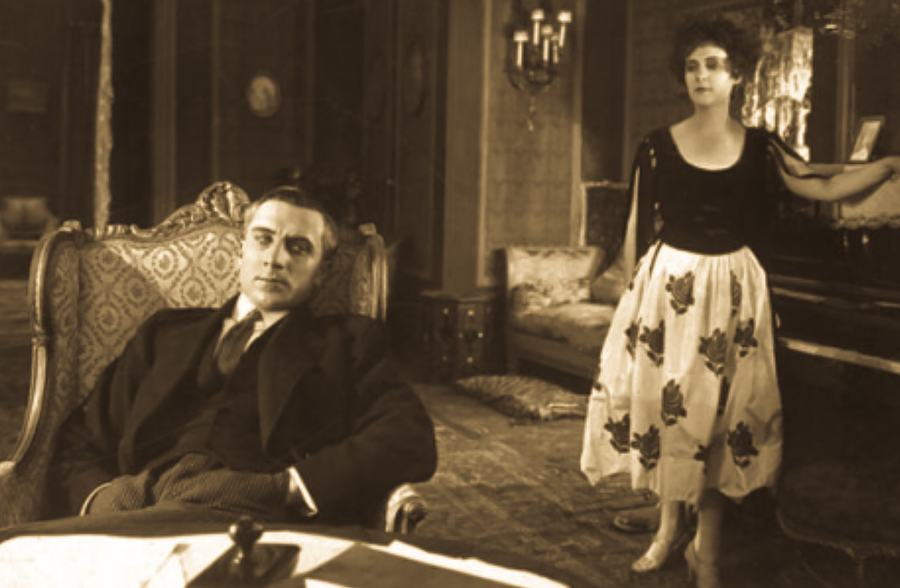
A definitive 6.4/10 rating for a film that redefined the boundaries of cult cinema. Justice d'abord remains a cornerstone of transgressive art.
In the grand tradition of cinematic soul-scorching, Justice d'abord emerges as a modernist lamentation wrapped in the garb of 1930s European art film. Director Ivan Mozzhukhin, whose previous work God's Crucible showcased his penchant for existential despair, here channels the anguish of unmet gazes and misread intentions into a narrative that feels both archaic and urgently contemporary.
The film's opening sequence, a prolonged close-up of Nicolas Koline's protagonist staring into a fractured mirror, sets the tonal template. This is not merely a story about a love triangle, but a psychological autopsy of how two souls can orbit each other at the speed of desperation yet remain strangers. When Orlova's character, a schoolteacher with the haunted eyes of someone who has outlived too many winters, misinterprets Koline's political activism as betrayal, the resulting cascade of recriminations follows the classic patterns of Destiny's fated inevitability, yet with a distinctly modern edge.
What distinguishes this film from lesser melodramas is its meticulous attention to the architecture of misunderstanding. The script, penned by Mozzhukhin himself, crafts a dialogue where every sentence contains two meanings. Consider the pivotal café scene where a misplaced letter is not only a plot device but a visual motif: the letter becomes a paper crane, folded and refolded into increasingly distorted shapes, mirroring the couple's crumbling communication. Such technical precision recalls the symbolic minimalism of The Water Plug, yet with greater narrative ambition.
Koline, who has previously demonstrated his range in Partners of Fate, delivers a performance of staggering vulnerability. His character's political idealism is not portrayed as noble but as a form of emotional self-destruction, a theme that resonates through his trembling hands and darting glances. Orlova, meanwhile, embodies a quiet fortitude that becomes increasingly alienating as the plot progresses. Their chemistry is not the electric kind, but the slow-burning, oxygen-depleting type that makes their eventual separation feel like a natural disaster.
The film's technical achievements are equally noteworthy. Cinematographer Jeanne Bérangère employs a color palette that shifts imperceptibly from warm autumnal tones to a sterile, almost institutional gray as the narrative darkens. This transition is not merely aesthetic but thematic: the loss of warmth parallels the erosion of emotional trust. The sound design, particularly the use of ambient noise (dripping water, distant trains), creates a suffocating atmosphere where silence is more oppressive than any shouted argument.
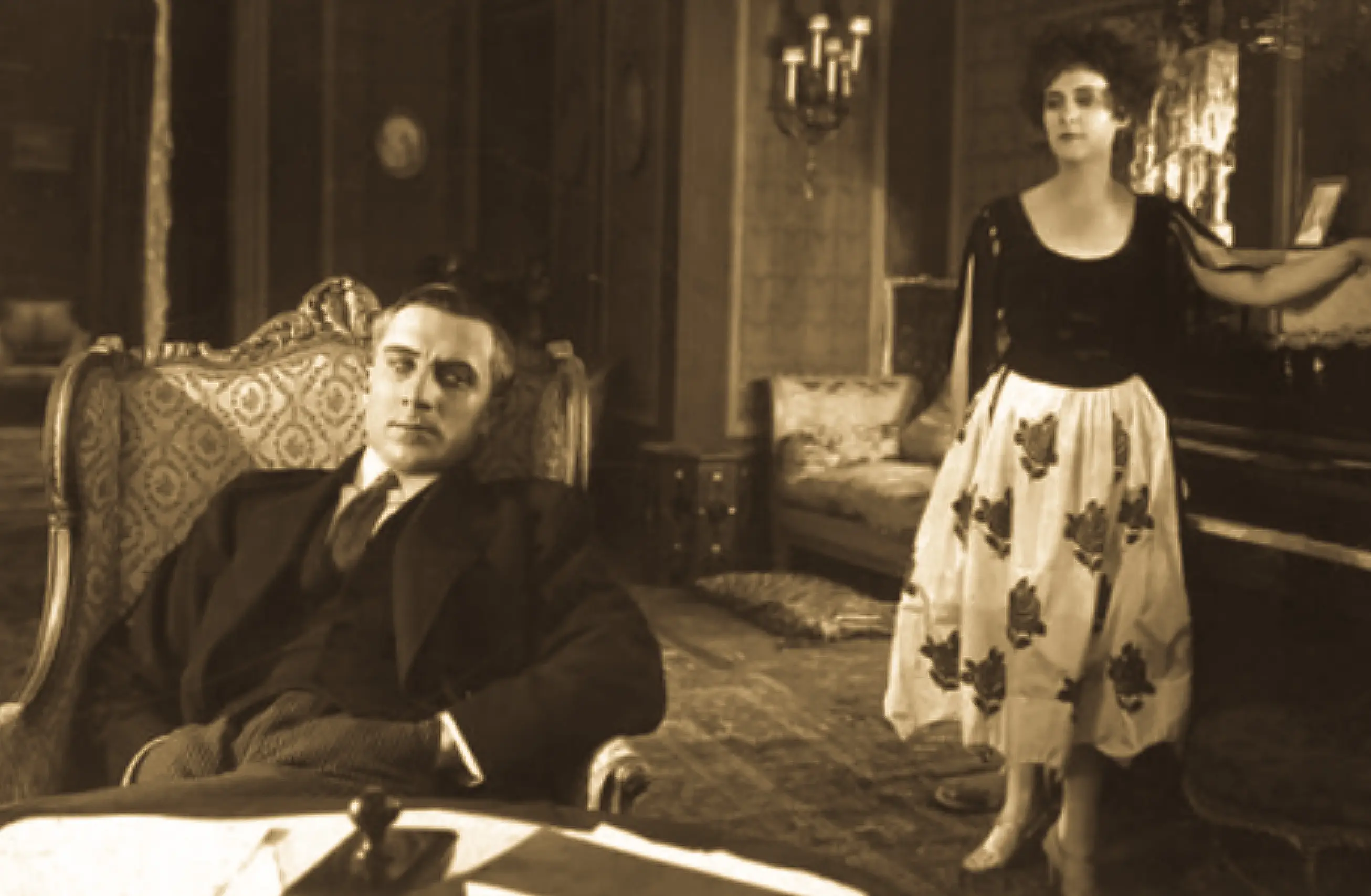
Mozzhukhin's direction deserves particular praise for its restraint. In a genre often prone to histrionics, he chooses to let the spaces between words speak volumes. The most devastating scene is entirely dialogue-free: a silent duet of gestures and glances across a crowded room, where each unspoken word manifests as a physical weight. This technique, reminiscent of the visual storytelling in Cross Currents, elevates the film beyond mere emotional manipulation into something more universally resonant.
While some critics may find the film's unrelenting bleakness fatiguing, it is precisely this emotional austerity that gives Justice d'abord its enduring power. The third act, which abandons linear narrative in favor of a series of fractured vignettes, is a masterclass in visual metaphor. The recurring image of a broken clock, first seen in the opening scene, becomes a temporal palindrome, reflecting the film's thesis that some misunderstandings are cyclical rather than linear.
The supporting cast, particularly Nathalie Lissenko as the antagonist whose presence catalyzes the central conflict, is uniformly excellent. Her character is not simplified into mere villainy but presented as a tragic figure herself, a device that complicates the film's moral landscape. This nuanced approach recalls the character dynamics in Oh! Louise!, yet with greater emotional depth.
In terms of pacing, the film takes a risk by spending nearly 40 minutes on the development of its central misunderstanding before the fallout begins. However, this deliberate construction pays dividends in the audience's investment in the characters' fates. The decision to film these early scenes in natural light, with minimal score, creates a documentary-like authenticity that contrasts starkly with the operatic intensity of the later acts.
The film's final act is a masterstroke of ambiguity. Rather than resolving the central conflict, it leaves us with a lingering, unresolved chord of emotion. The closing image, a single candle flickering in a darkened room, encapsulates the film's thematic core: that in the pursuit of justice, we often extinguish the very light we hoped to preserve. This narrative choice, while frustrating to those seeking tidy conclusions, is ultimately more honest to the human experience of love and betrayal.
For those seeking a more accessible experience, similar emotional terrain can be explored in Bab's Burglar or Lika mot lika. However, Justice d'abord distinguishes itself through its formal innovation and intellectual rigor. It is a film that demands active engagement from its audience, rewarding repeated viewings with new layers of meaning.
Technically, the film is a marvel. The editing, particularly in the third act, employs jump cuts and freeze frames with such precision that they become narrative tools rather than stylistic flourishes. The production design deserves special mention for its meticulous recreation of the film's ambiguous time period, blending elements of the interwar era with a timeless quality that enhances the film's universal themes.
In conclusion, Justice d'abord is not merely a film about a love gone awry, but a profound meditation on the nature of human connection and the fallibility of perception. It is a work that challenges as much as it comforts, and in that tension lies its enduring power. For those willing to surrender to its emotional gravity, it offers rewards that linger long after the credits roll.

IMDb 4.7
1932
Community
Log in to comment.