DbcultAccessing Vault...
4.7/10
Senior Film Conservator
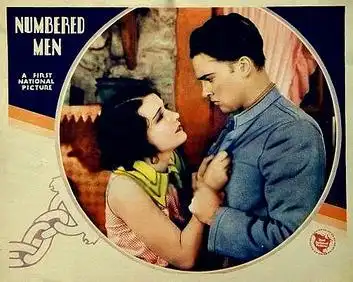
A definitive 4.7/10 rating for a film that redefined the boundaries of cult cinema. Numbered Men remains a cornerstone of transgressive art.
"Numbered Men," a slice of pre-Code drama from 1930, isn't exactly a must-see for everyone today. If you're hoping for a sleek, modern thriller, you’ll probably find yourself hitting stop pretty quick. But for folks who dig into early talkies, or really enjoy seeing how these old melodramas got built, there's some interesting stuff here. It's definitely for the classic film enthusiast, maybe even a curious history buff, but the casual viewer? Eh, probably not.
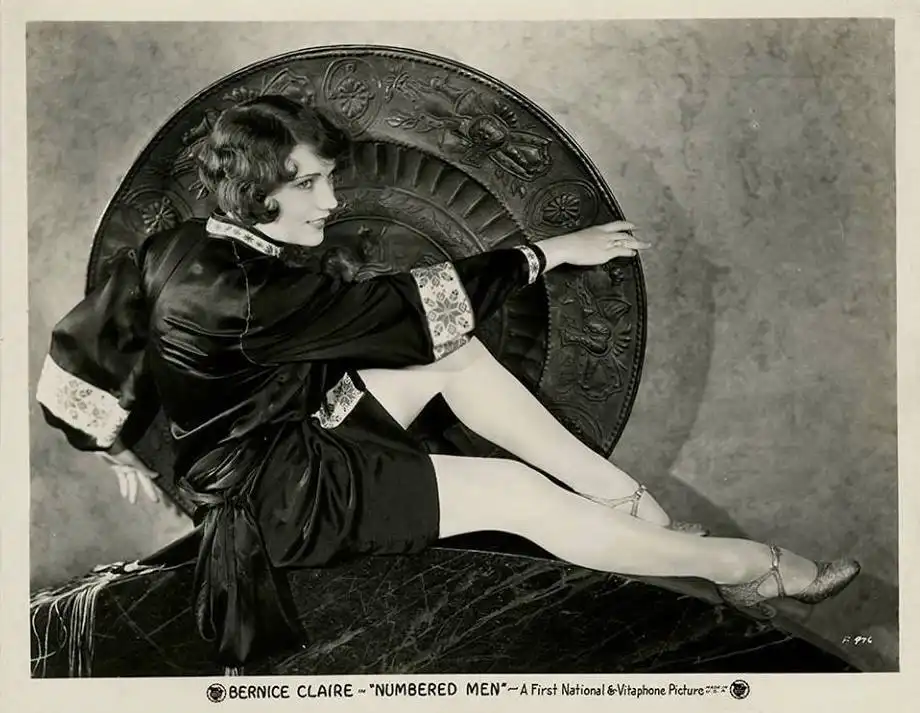
The story itself is a pretty standard affair: good guy Bud Leonard (Conrad Nagel) gets tangled up, framed by the slimy Lou Rinaldo (Maurice Black) who, naturally, wants Bud's sweetheart, Mary Dane (Bernice Claire). It’s a setup as old as time, and the movie doesn’t waste much time getting Bud behind bars. You really feel the urgency, even if the pacing sometimes feels a little... leisurely by today's standards.
Once Bud is inside, we meet King Callahan, played by Ralph Ince. This character, King, he’s got this weary but sharp vibe. He's the one thinking about escape, stirring things up a bit, which adds some much-needed tension to the prison scenes. The prison itself feels like a proper, grim place, not just a backdrop. You can almost smell the stale air. It’s all those early sound stages, you know?
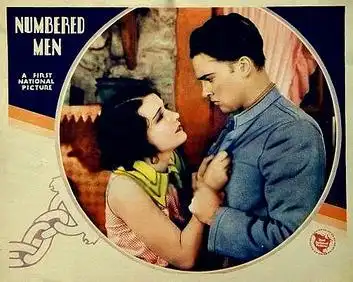
There’s this moment when Bud first arrives, and the guards are barking orders. It’s pretty stark. No fancy camera work, just straight-ahead storytelling. The way the shadows fall on the cell bars, it’s effective, even if it’s simple. Bernice Claire as Mary, she does her best with a role that mostly calls for looking worried and tearful. You can almost feel the movie trying to convince you this romance matters, even when the dialogue feels a bit stiff, like they’re reading from a play.
Lou Rinaldo, though. Maurice Black really leans into being the absolute worst. Every time he’s on screen, you just want to punch him. That sneer, the way he eyes Mary – it’s effective, even if it’s a bit over-the-top. A real bad guy, no nuance needed. 😬 His suits always seem a little too sharp, too. Like he’s just too well-dressed for his rotten intentions.
The film leans heavily into the idea that love and justice, even when twisted, will somehow find a way. It’s a nice thought, right? But the path there is pretty bumpy. There’s a whole prison break sequence that feels a little messy, like they were really pushing the limits of their effects budget. One guard falls off a wall in a way that’s almost comical, you can practically see the stuntman land on a mat.
And the ending? It ties things up, of course. But it feels a little too neat after all the drama. Like someone just smoothed out all the wrinkles a bit too quickly. You spend all this time with Bud suffering, and then poof, problem solved. It leaves you wondering if it really earned that resolution. You get a sense of relief, sure, but maybe not full satisfaction.
One thing that sticks out is the dialogue. It's very much a product of its time. People speak in these formal, slightly theatrical ways, even when they’re supposed to be desperate. "I shall never forsake you!" stuff like that. It’s charming in its own way, but it takes some getting used to. You find yourself smiling a bit sometimes at the earnestness of it all.
The whole prison ensemble, outside of King, are kind of a blur. Just a bunch of rough faces. But there's this one guy, Leo Sulky, I think, who has this brief, wordless scene where he just stares at the wall. It’s a blink-and-you-miss-it thing, but it added a tiny bit of unexpected realism. Like, yeah, some guys just stare at walls in prison. It made me pause.
It’s not a masterpiece, no. But it’s a solid example of what early sound films were doing with crime and romance. It gives you a peek into a different era of filmmaking, where sincerity often trumped subtlety. It has its moments, particularly when Ralph Ince is on screen. He brings a real weight to his character that grounds the more melodramatic bits. He’s the one to watch.
So, if you're looking for a quiet Sunday afternoon watch, and you don't mind a film that sometimes feels like it's taking a very long breath between scenes, Numbered Men might be worth checking out. Just manage your expectations. It’s a historical piece more than a gripping drama for modern audiences.
IMDb —
1917
Community
Log in to comment.