DbcultAccessing Vault...
5.7/10
Senior Film Conservator
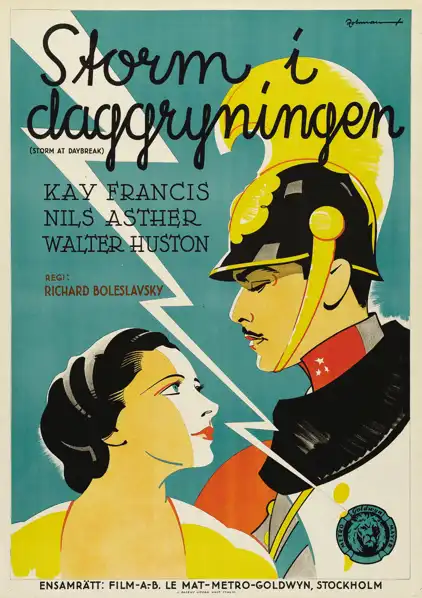
A definitive 5.7/10 rating for a film that redefined the boundaries of cult cinema. Storm at Daybreak remains a cornerstone of transgressive art.
If you like movies that lean heavily into that 1930s style of high-strung, romantic melodrama, Storm at Daybreak is a total winner. It’s got that specific kind of glossy, black-and-white angst that doesn't care if it's being subtle. If you want a dry history lesson on World War I, look elsewhere. This is all about the personal messiness when the world catches on fire.
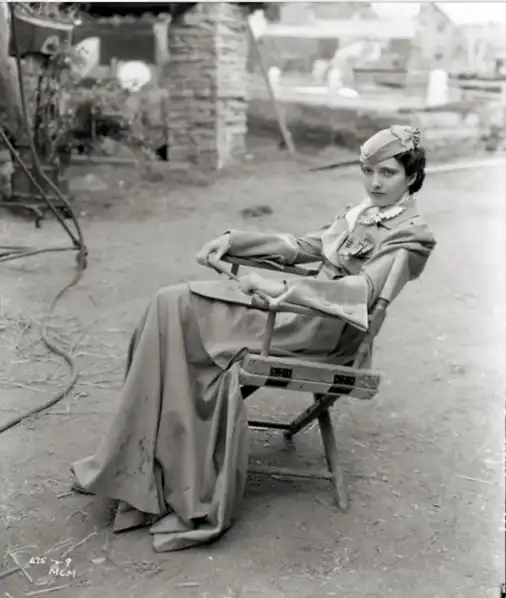
There’s a weird, shifting energy in this film that I really liked. It starts as a political thriller in Sarajevo and then just pivots hard into a tense, claustrophobic domestic drama. It’s a bit jarring, but in a good way.
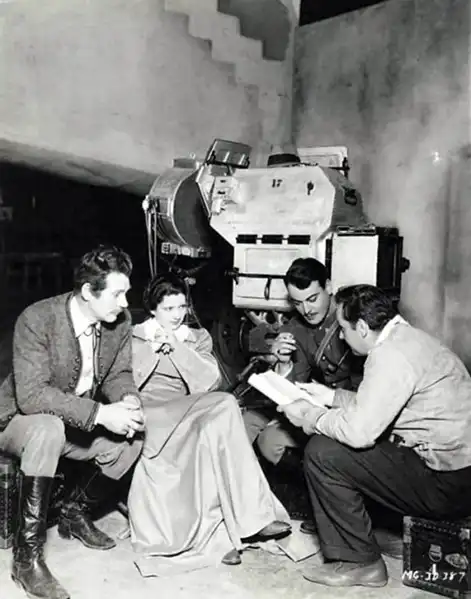
The film kicks off right when everything goes to hell in 1914. You’ve got Dushan, the mayor, trying to keep his town from imploding. It feels like he’s holding back a tidal wave with a screen door. Then there’s his wife, Irina, who clearly has her own agenda. When Geza shows up—the friend-turned-enemy-turned-lover—the movie stops pretending it’s about the war and starts focusing on who’s sleeping in the barn.

Kay Francis is the anchor here. She plays that kind of character who is constantly flirting with disaster, but she does it with such a calm, steady look that you almost believe she’s in control. The scenes in the barn feel strangely lived-in. There’s a lot of shadow work that makes the house feel like a prison, even when they’re talking about love.

The pacing is… well, it’s a bit of a sprint in the first act, then it hits the brakes once we’re inside the house. I didn’t mind. It feels like the characters are just as tired of the war as the audience is, so they stop talking about it and start focusing on each other.
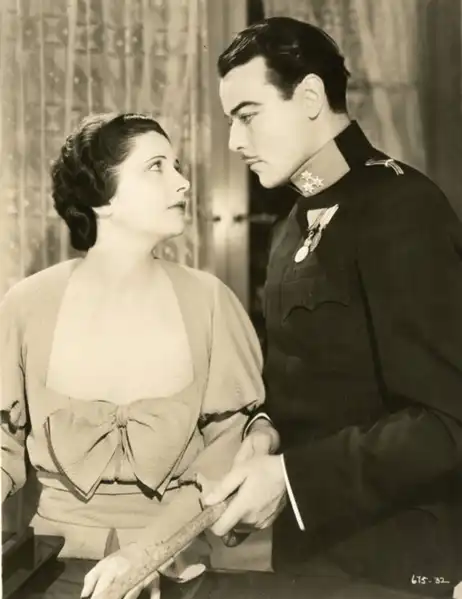
It doesn't have the grand, epic sweep of something like The Santa Fe Trail, and thank god for that. It stays small. It stays petty. There is something really honest about watching these people try to pursue a romance while the world is literally changing borders around them. It’s like trying to bake a cake during an earthquake.
One reaction shot of Dushan realizing what’s actually happening in his own home lingers just a second too long. It’s painful. You can see the exact moment his face drops. It’s not elegant, but it’s real.
It’s not perfect. The ending feels like they ran out of film and just decided to wrap it up in ten minutes. But for a movie that spends most of its time watching people lie to each other, I suppose that’s fitting. It’s messy, it’s dramatic, and it’s definitely worth the hour and change.
IMDb 5.9
1931
Community
Log in to comment.