DbcultAccessing Vault...
Cult Review
Senior Film Conservator
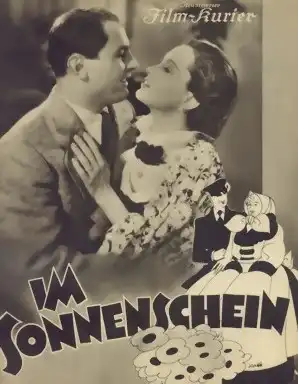
If you have a soft spot for 1930s European musicals, you'll probably find this charming. It’s light, it’s musical, and it’s got that specific, slightly creaky rhythm that old films possess. If you need grit, realism, or complex character arcs, you should probably just watch The Glass Key instead.
Toni is a cabbie who spends way too much time at the Opernring corner. Honestly, the way he hangs around the flower stand makes you wonder when he actually gets any driving done. Then he loses his job, which is the catalyst for the whole "rags to riches" song-and-dance.
Enter Corinne. She’s wealthy, she’s polished, and she’s bored enough to start a personal project. It’s classic stuff—the rough-around-the-edges guy learning how to hold a fork and sing Puccini. It feels a bit like watching a stray puppy get a bath and a haircut, only the puppy is a full-grown man in a taxi driver's cap.
The singing parts are actually decent. Jan Kiepura has a voice that fills the room, even if the room is just your living room. You can tell the production budget went straight into the recording sessions. Everything else? It looks like it was put together on a quiet Sunday afternoon.
The film isn't trying to be a Serp i molot style social statement. It’s just fluff. But sometimes, you just want to watch a guy sing his heart out while wearing a tuxedo that fits a little too snugly.
Don't expect the emotional weight of The Man Who Woke Up. This is strictly for people who want to see a guy go from driving a hack to hitting high Cs while ignoring the girl who liked him before he was famous. It’s a bit saccharine, but it works in a weird, old-fashioned way. 🎶
Year
1936
IMDb Rating
—

Editorial
Deciphering the legacy of transgressive cult cinema.
Community
Log in to comment.