DbcultAccessing Vault...
6.8/10
Senior Film Conservator
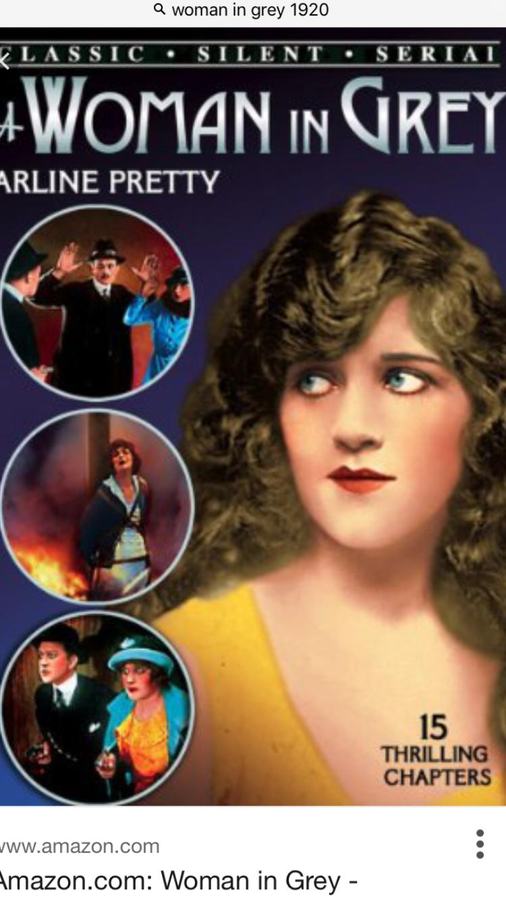
A definitive 6.8/10 rating for a film that redefined the boundaries of cult cinema. A Woman in Grey remains a cornerstone of transgressive art.
The silent era, a period often romanticized and sometimes unfairly dismissed, consistently delivered narratives brimming with raw emotional power and intricate plotting. Among these cinematic gems, A Woman in Grey stands as a testament to the period's capacity for crafting compelling mysteries, a film that, even a century later, retains a certain magnetic pull. Its premise, deceptively simple yet profoundly resonant, plunges viewers into a world where a single murder ignites a conflagration of greed, suspicion, and a relentless quest for a hidden inheritance. Directed with a keen eye for suspense and propelled by the collaborative writing talents of C.N. Williamson, Walter R. Hall, and A.M. Williamson, the film transcends its chronological confines to offer a fascinating glimpse into the human psyche under extreme duress.
At its core, A Woman in Grey is a meticulously constructed puzzle box. The murder of Mrs. Haynes, the matriarch residing in the venerable Armory homestead, serves as the catalyst, shattering the fragile peace of an otherwise ordinary existence. Her demise is not merely a plot point; it is a seismic event that rearranges the emotional and financial landscape for everyone connected to the Amory legacy. What follows is a relentless, almost frenetic, scramble for the Amory code, an enigmatic cipher rumored to hold the key to an immense family fortune. This isn't a mere treasure hunt; it's a psychological battle, a test of wills, and a morally ambiguous journey into the heart of avarice. The film excels at portraying this escalating intensity, each scene building upon the last with a mounting sense of urgency and dread, a hallmark of effective silent-era thrillers. The stakes are palpable, the tension almost suffocating, as characters are drawn deeper into a web of secrets and betrayals.
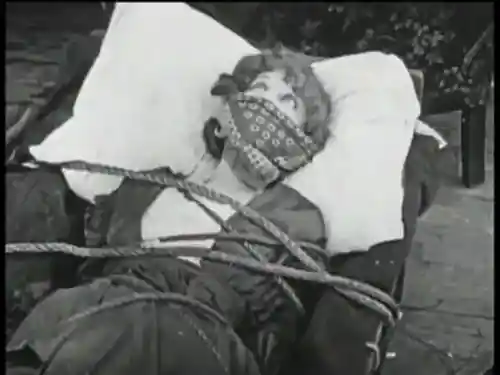
The ensemble cast, a vibrant tapestry of talent, contributes significantly to the film's enduring appeal. Ann Brody, Arline Pretty, and Jane Mair, each with their distinct screen presence, navigate the treacherous waters of suspicion and ambition with remarkable nuance. Their performances, relying heavily on exaggerated gestures and expressive facial contortions characteristic of the silent era, manage to convey complex internal states without uttering a single word. J.W. Driscoll, Adelaide Fitz-Allen, and Marguerite Namara further enrich this dramatic landscape, embodying characters who range from the overtly villainous to the subtly manipulative. Jack Manning, Violet De Biccari, Walter Chapin, Jack Newton, Henry G. Sell, Fred C. Jones, Margaret Fielding, and John Heenan round out a cast that, collectively, paints a vivid portrait of a community grappling with the fallout of a family secret. The chemistry, or lack thereof, among these characters is often as revealing as their individual actions, hinting at long-standing animosities and clandestine alliances that predate Mrs. Haynes's untimely end.
One of the film's most compelling aspects is its exploration of human motivation. The Amory code isn't just a MacGuffin; it represents a profound desire for control, security, and perhaps, a rectification of past injustices. Each character approaches the pursuit of this code with a unique blend of desperation and cunning. Some are driven by pure, unadulterated greed, while others might harbor more complex motivations, seeking to restore a perceived balance or protect loved ones. The writers, C.N. Williamson, Walter R. Hall, and A.M. Williamson, demonstrate a profound understanding of these psychological undercurrents, crafting a narrative that feels both grand in its scope and intimate in its character studies. Their screenplay avoids simplistic portrayals of good and evil, instead presenting a spectrum of morality that reflects the messy realities of human nature. This nuanced approach elevates A Woman in Grey beyond a mere whodunit, transforming it into a commentary on the corrosive power of secrets and the lengths to which individuals will go to secure their desires.
Visually, the film is a masterclass in silent-era cinematography and set design. The old Armory homestead itself becomes a character, its imposing architecture and shadowy interiors mirroring the secrets it contains. The use of light and shadow is particularly effective, creating an atmosphere of pervasive mystery and foreboding. Close-ups on actors' faces, a technique refined during this period, are employed judiciously to amplify emotional impact, allowing the audience to intimately connect with the characters' internal struggles. The editing rhythm, while perhaps appearing slower to modern sensibilities, is deliberate and purposeful, allowing scenes to breathe and tension to build organically. This deliberate pacing is a strength, not a weakness, inviting viewers to immerse themselves fully in the unfolding drama without the distraction of rapid-fire cuts. The production design, though perhaps constrained by the technological limitations of the time, is remarkably effective in establishing the period and the social milieu, transporting the audience to a world where fortunes could be lost and gained on the turn of a cryptic phrase.
Comparing A Woman in Grey to its contemporaries reveals its unique standing. While films like The Mystery of a Hansom Cab also delved into intricate crime narratives, A Woman in Grey distinguishes itself through its focus on the post-murder struggle for a hidden code, rather than solely on the investigation of the crime itself. The emphasis shifts from who committed the act to who will ultimately benefit from its aftermath, lending a different kind of urgency to the proceedings. Similarly, while films such as A Modern Salome and The Greater Woman explored themes of female agency and societal constraints, A Woman in Grey intertwines these elements with a gripping mystery, showcasing how women, despite societal limitations, can become formidable players in a high-stakes game of inheritance and power. The character of the titular 'Woman in Grey,' though perhaps not always explicitly defined, evokes a spectral presence, a constant reminder of the unseen forces at play and the lingering shadow of Mrs. Haynes's death.
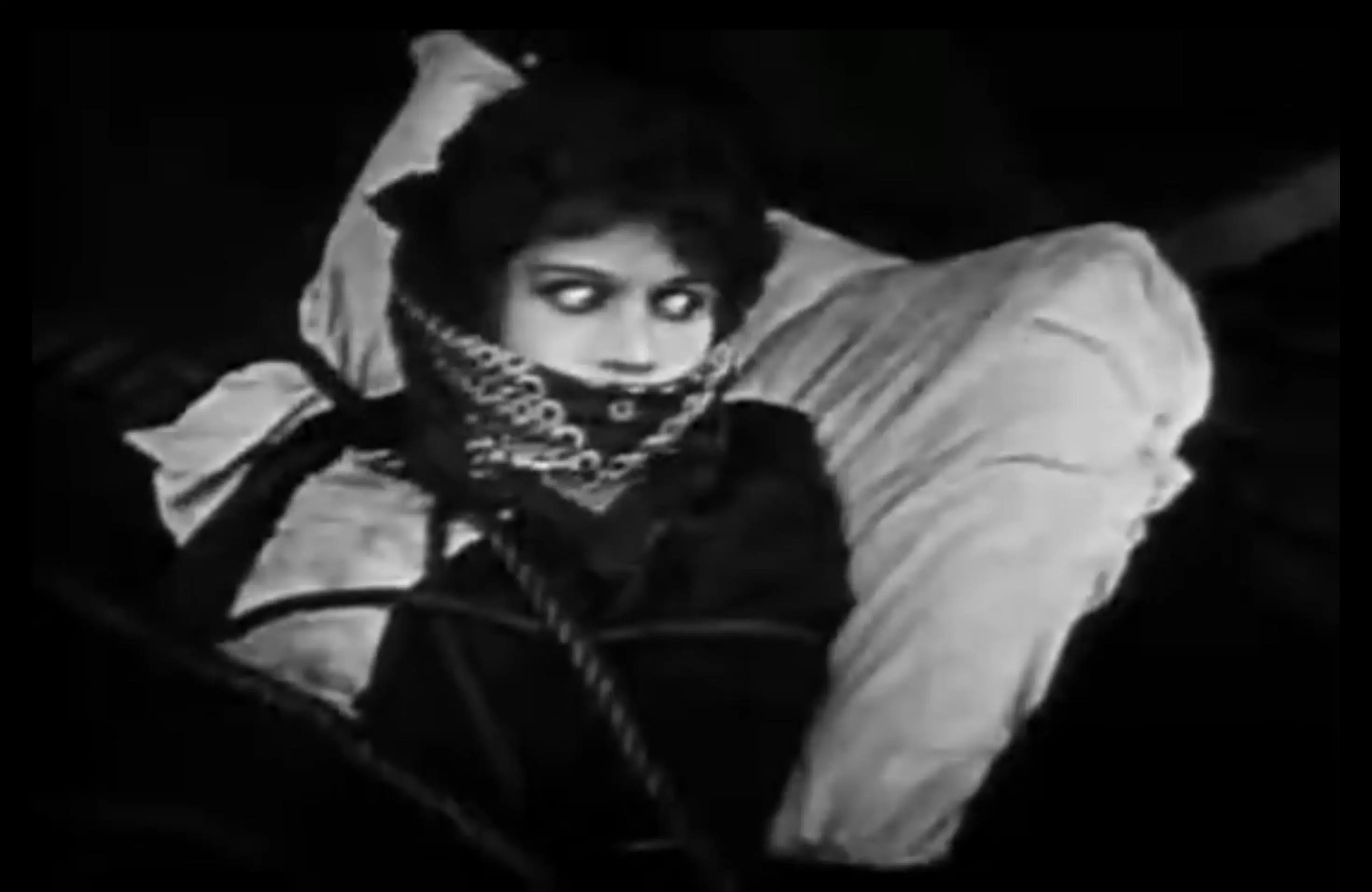
The thematic richness of the film extends beyond mere greed. It touches upon the nature of legacy, the weight of family secrets, and the corrupting influence of power. The Amory fortune is not just money; it represents a lineage, a history, and the potential for a new future, for better or worse. The characters' desperate attempts to decipher the code symbolize their struggle to control their destinies, to rewrite their narratives in the wake of a devastating loss. This struggle for control is a universal theme, one that resonates across generations and cultural divides. The writers masterfully weave these complex ideas into the fabric of the plot, ensuring that the film remains intellectually stimulating even as it provides thrilling entertainment. The film’s exploration of morality is particularly striking; few characters emerge entirely unscathed or morally pure, reflecting a cynical yet realistic view of human nature when confronted with immense temptation.
The performances, particularly from the leading ladies, are a highlight. Ann Brody, in her role, brings a certain gravitas and intensity, her expressions conveying a depth of emotion that transcends the limitations of silent cinema. Arline Pretty, with her captivating screen presence, embodies a character who is both vulnerable and fiercely determined. Jane Mair’s contribution adds another layer to the complex web of relationships, her portrayal hinting at hidden agendas and simmering resentments. These actresses, through their mastery of physical acting, manage to imbue their characters with agency and complexity, making them more than just archetypes in a mystery. Their struggles, their triumphs, and their moments of despair are communicated with an eloquence that belies the absence of spoken dialogue. This speaks volumes about the talent prevalent in the silent era, where actors were true masters of their craft, relying solely on their bodies and faces to tell a story.
The collaborative effort of C.N. Williamson, Walter R. Hall, and A.M. Williamson in penning the script is evident in the intricate plotting and well-developed character arcs. Their ability to maintain suspense over an extended runtime, without the aid of dialogue, is commendable. The narrative unfolds with a logical progression, each twist and turn feeling earned rather than contrived. This meticulous construction ensures that the audience remains engaged, constantly trying to piece together the fragments of the puzzle alongside the characters. The mystery of the Amory code is not easily unraveled, requiring careful attention to detail and a willingness to follow the subtle clues embedded within the visual storytelling. This complexity is a strength, distinguishing A Woman in Grey from more simplistic genre fare of the period.
In its broader context, A Woman in Grey serves as a fascinating historical document, offering insights into the societal anxieties and cultural preoccupations of its time. The allure of hidden fortunes, the fear of betrayal, and the pursuit of justice were themes that resonated deeply with audiences of the early 20th century, just as they do today. The film’s portrayal of class dynamics, albeit subtle, also provides a window into the social structures of the era, where wealth and lineage often dictated one’s standing and influence. While not overtly a social commentary piece like Sodoms Ende or Enlighten Thy Daughter, its narrative implicitly reflects the societal values and tensions of the period. The film’s legacy lies not just in its entertainment value but also in its ability to capture a snapshot of a bygone era, preserving its sensibilities and storytelling conventions for future generations to appreciate.
The enduring appeal of A Woman in Grey lies in its timeless narrative of human ambition and the pursuit of a secret. It’s a film that demands active engagement from its audience, inviting them to decipher not only the Amory code but also the complex motivations of its characters. The combination of a compelling plot, strong performances, and evocative visual storytelling cements its place as a significant, albeit often overlooked, work of silent cinema. It reminds us that even without spoken dialogue, the power of a well-crafted story, brought to life by talented artists, can resonate profoundly. The film is a masterful exercise in tension building, a slow burn that culminates in a satisfying, if not entirely predictable, resolution. It's a journey into the shadows of human desire, a testament to the enduring power of classic mystery, and a cinematic experience that continues to intrigue and captivate. For those who appreciate the artistry of the silent era, A Woman in Grey offers a rich, rewarding viewing experience, a true jewel in the crown of early filmmaking.
IMDb 4.4
1932
Community
Log in to comment.