DbcultAccessing Vault...
Cult Review
Senior Film Conservator
Picture a 78-minute curl of celluloid that smells faintly of lavender water and singed hope. The Beauty Shop (1922) arrives like a misplaced love letter from the silent era, postmarked to a future that still hasn’t learned how to treat working women with reverence. Directed with sly humanism by an unsung studio craftsman (the print bears only the initials “E.J.”), the picture glides between slapstick and chamber-piece poignancy, never once toppling into the melodrama that sank so many early-’20s melodramas.
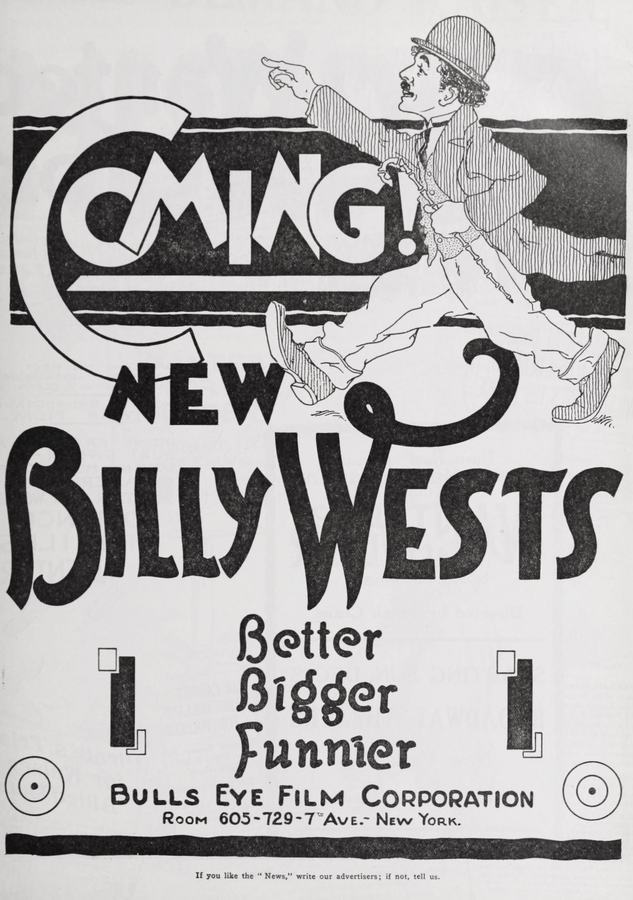
The plot, deceptively gossamer, is a constellation of micro-stories swirling inside a single-chair salon. Ethelyn Gibson—equal parts Mary Pickford’s spunk and Louise Brooks’s ungovernable gaze—plays Hazel, a wartime widow who converts her parlor into a sanctuary for female self-reinvention. Each haircut is a baptism; every rinse, a purge of patriarchal residue. Billy West, usually the clown, dials back his Keatonesque pratfalls to play a bashful inventor who delivers tonics and, in whispered title cards, proposes blueprints for a world where hairdryers run on moonlight. Their chemistry flickers rather than combusts, and that restraint feels revolutionary for 1922.
Visually, the film luxuriates in chiaroscuro: the camera lingers on the chrome curve of a pair of scissors until the object becomes ominous, almost surgical. Intertitles arrive in the shape of shampoo advertisements, curling fonts that lather the eye. Tinted prints—sepia for interiors, cyan for exteriors—create a mood that anticipates the pastel expressionism of Pearls and Girls three years later. Yet the palette here is more muted, as though the world has been steeped in tea then left to fade on a windowsill.
Gibson’s Hazel moves through scenes with the hush of someone who has already seen tomorrow’s headlines. Watch her face when a matron boasts, “A woman’s crown is her husband’s glory.” The corner of Gibson’s mouth lifts—neither smile nor sneer, but a hieroglyph of private amusement. It’s a micro-expression that could launch dissertations. West, meanwhile, weaponizes his usual rubber-limbed agility by holding it in check: his character’s yearning is conveyed less through gesture than through stillness, a trick Buster Keaton would refine in The Kid Is Clever.
Critics often peg 1920s cinema as either flapper froth or moralist cautionary tale. The Beauty Shop slips between those binaries, staging a covert referendum on economic agency. The villain is not a mustache-twirling banker but a faceless corporate chain promising “scientific beauty” in sterile chrome. When Hazel refuses to sell her lease, the showdown isn’t rendered as fistfight but as a slow, deliberate snip—one decisive cut that severs a patron’s over-processed locks and, symbolically, the town’s dependence on male-controlled capital. In that moment the film anticipates the labor politics of Striking Models and the anarchic gender play of The Yankee Girl.
West’s best gag involves a runaway hair-curling machine that evolves into a Rube Goldberg contraption, vacuuming hats, toupees, and ultimately the toupee of the town mayor. Yet the joke lands less for its slapstick than for the aftermath: the mayor, bald and blushing, is comforted not by male cronies but by the salon’s patrons who gather to powder, console, and repaint confidence onto his bare crown. The scene plays like a communal absolution, a comic benediction that insists dignity is a public utility, not a private luxury.
Scholars seldom connect the dots, but the DNA of The Beauty Shop curls through later masterpieces. The communal mise-en-scène of David Garrick owes a debt to Hazel’s salon, where every close-up is a portrait of shared vulnerability. Likewise, the toxic vanity in Tosca feels like a malignant inversion of the film’s tender grooming rituals. Even the submarine claustrophobia of Submarines and Simps recalls the parlour’s tight quarters, though water here replaces torpedoes.
The lone surviving print, unearthed in a Moldovan convent vault, bears nitrate scars—white flashes that look like cigarette burns. Rather than mourn these blemishes, I celebrate them: each flicker is a shutter between eras, reminding us the past is only ever viewed through cracks. The digital restoration team resisted the urge to over-smooth; grain swims, emulsion wobbles, and the result feels alive, like catching a stranger’s perfume on a subway gust.
At my latest screening, a three-piece ensemble (piano, clarinet, musical saw) improvised a score that veered from ragtime to klezmer. When Hazel’s scissors sliced through a knot of marital discord, the saw’s eerie waver bled into the clarinet’s sigh, creating an aural halo that made even the projectionist weep. Silence, it seems, is not absence but invitation; the film’s open soundtrack allows each era to pour its own anxieties into the lacquer.
Contemporary trade papers dismissed the picture as “a woman’s trifle,” scheduling it as bottom-half of double bills alongside newsreels. Yet the flop protected it from studio butchery; no reissue trimmed its runtime, no sound retrofit tarnished its rhythms. Today, when algorithmic cinema flattens nuance into content, The Beauty Shop feels defiantly analog—a hand-tinted postcard slipped under the door of a streaming age.
We live inside a never-ending makeover montage: filters, injectables, curated selves. Against that backdrop, Hazel’s declaration—“Hair grows back, but self-respect needs careful layering”—rings like a manifesto. The film asks us to sit still, let the lather sting, and emerge not rebranded but reclaimed. In that reclamation lies the quiet radicalism that places The Beauty Shop not among relics, but among living texts that bristle whenever a new head leans back into warm water.
Verdict: A translucent miracle of early feminist cinema, equal parts talcum and thunder. Seek it on 35 mm if you can; if not, the DCP still shimmers like a freshly set finger-wave. Bring tissues—and someone whose split ends you still love.
IMDb 5.6
1932
Community
Log in to comment.