DbcultAccessing Vault...
2.6/10
Senior Film Conservator
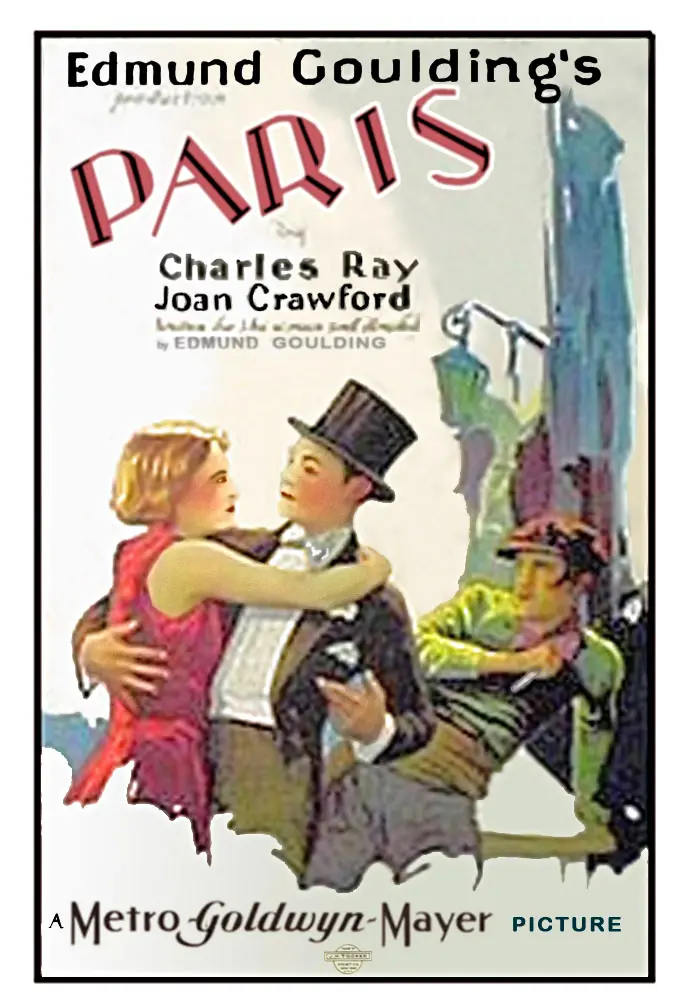
A definitive 2.6/10 rating for a film that redefined the boundaries of cult cinema. Paris remains a cornerstone of transgressive art.
Short answer: yes, but it comes with some caveats. Paris (1926) is a gripping, period piece that delves into the world of the Apaches in early 20th century Paris. Its strengths lie in its raw performances, compelling narrative, and historical setting, which make it a fascinating watch for those interested in classic cinema. However, it also has its flaws, particularly in its pacing and the somewhat one-dimensional villainy of the antagonists. If you're a fan of pre-code Hollywood films or crime dramas with a touch of romance, this is definitely worth a watch. For more modern viewers, it may require some patience to fully appreciate its merits.
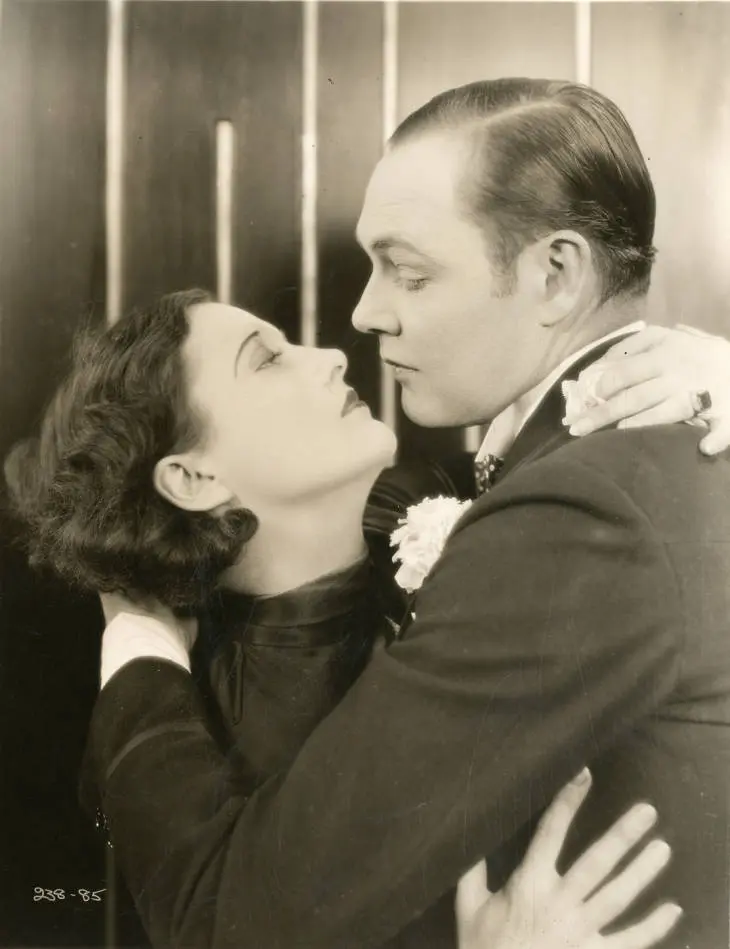
This film works because of its powerful performances, particularly from Joan Crawford and the ensemble cast. The narrative, while rooted in a specific era, still resonates with themes of love and conflict, making it accessible beyond its historical context. The cinematography is striking, with a mix of gritty realism and romantic flair that perfectly complements the story. However, the film fails because of its somewhat predictable plot and the lack of depth in the antagonist characters, which can make the conflict feel one-dimensional. Despite these shortcomings, the film is a worthwhile watch for those interested in the early days of Hollywood.
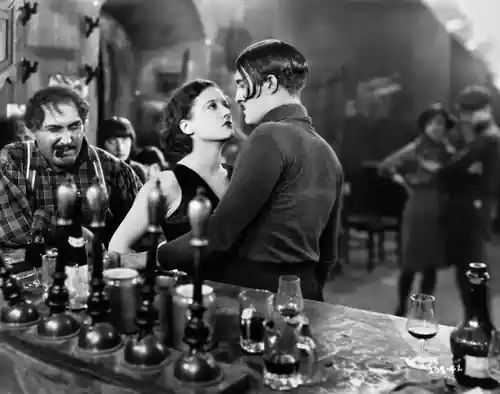
You're interested in pre-code Hollywood and the classic gangster film genre. This movie offers a glimpse into a world of love, violence, and redemption, with performances that are both powerful and nuanced. If you're a fan of Joan Crawford or want to explore the underbelly of Paris in the early 1920s, this film is a must-see. However, if you're looking for a more modern take on these themes, you may want to explore other films in this genre.
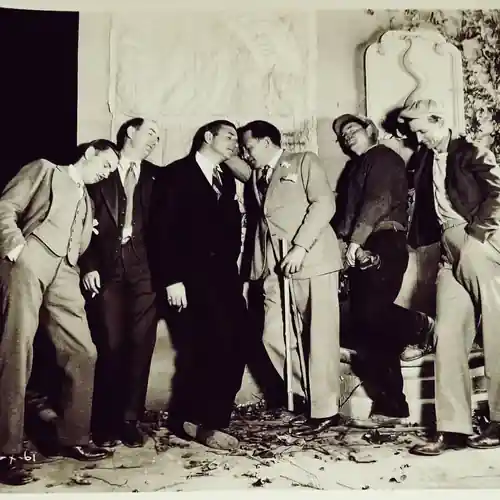
The performances in Paris (1926) are top-notch, with Joan Crawford delivering a standout performance as the central character. Her portrayal of a woman caught between love and violence is both captivating and complex. Pat Somerset and Jean Galeron also bring depth to their roles, portraying the intensity of their relationship with powerful chemistry. However, the supporting cast, while talented, often feel more like archetypes than fully realized characters. This is particularly true of the antagonists, whose motivations and backstories are not fully explored, which can make their actions feel somewhat one-dimensional.
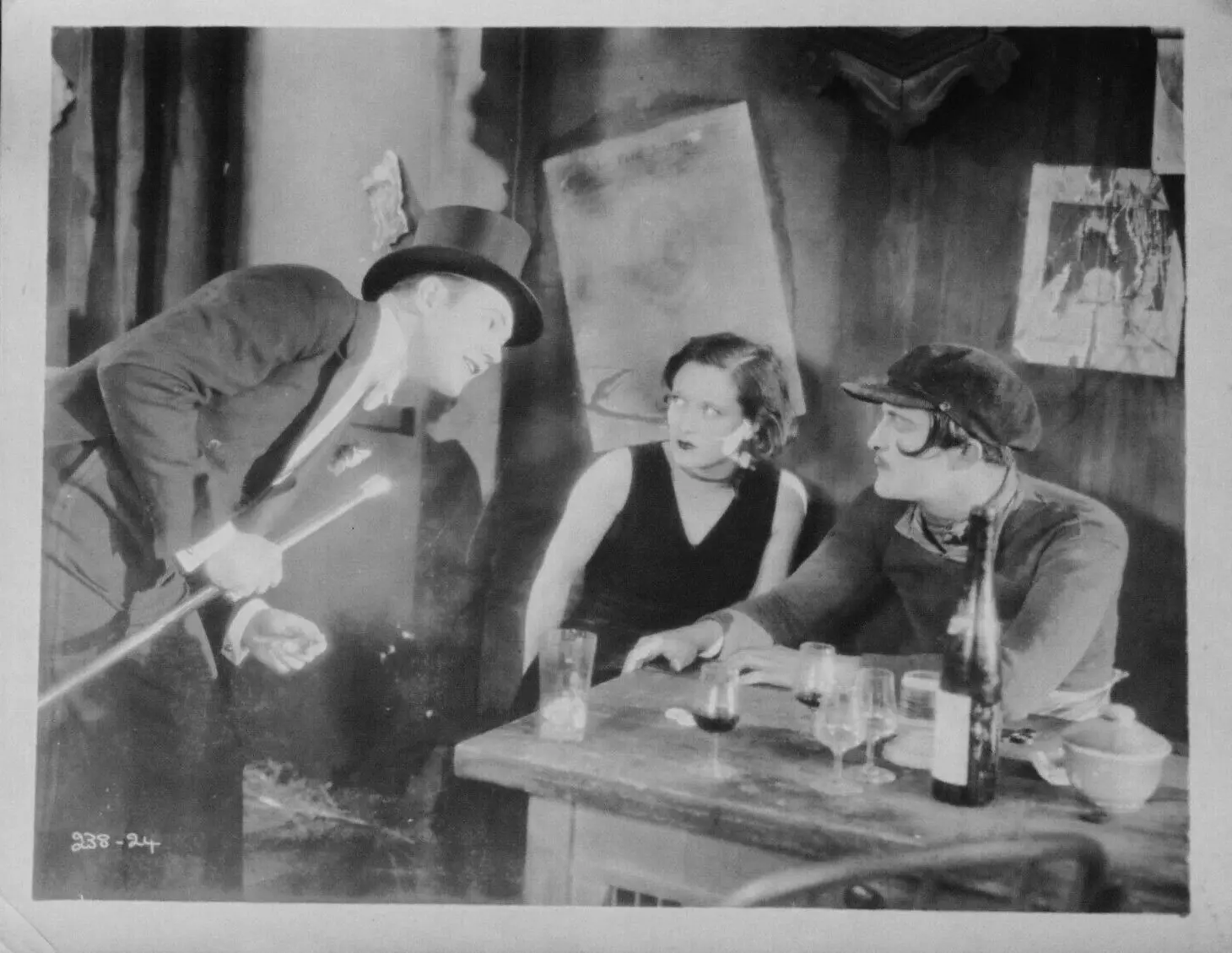
Director Carey Wilson takes a straightforward approach to storytelling, focusing on the raw emotions and conflicts of the characters. The cinematography, by Charles Rosher, is striking, with a mix of gritty realism and romantic flair that perfectly complements the story. The use of shadow and light adds depth to the scenes, especially in the night-time sequences. However, the pacing can be a bit slow at times, which may not appeal to modern audiences accustomed to faster-paced storytelling. The film’s black-and-white cinematography also adds to its period feel, enhancing the overall atmosphere of the movie.
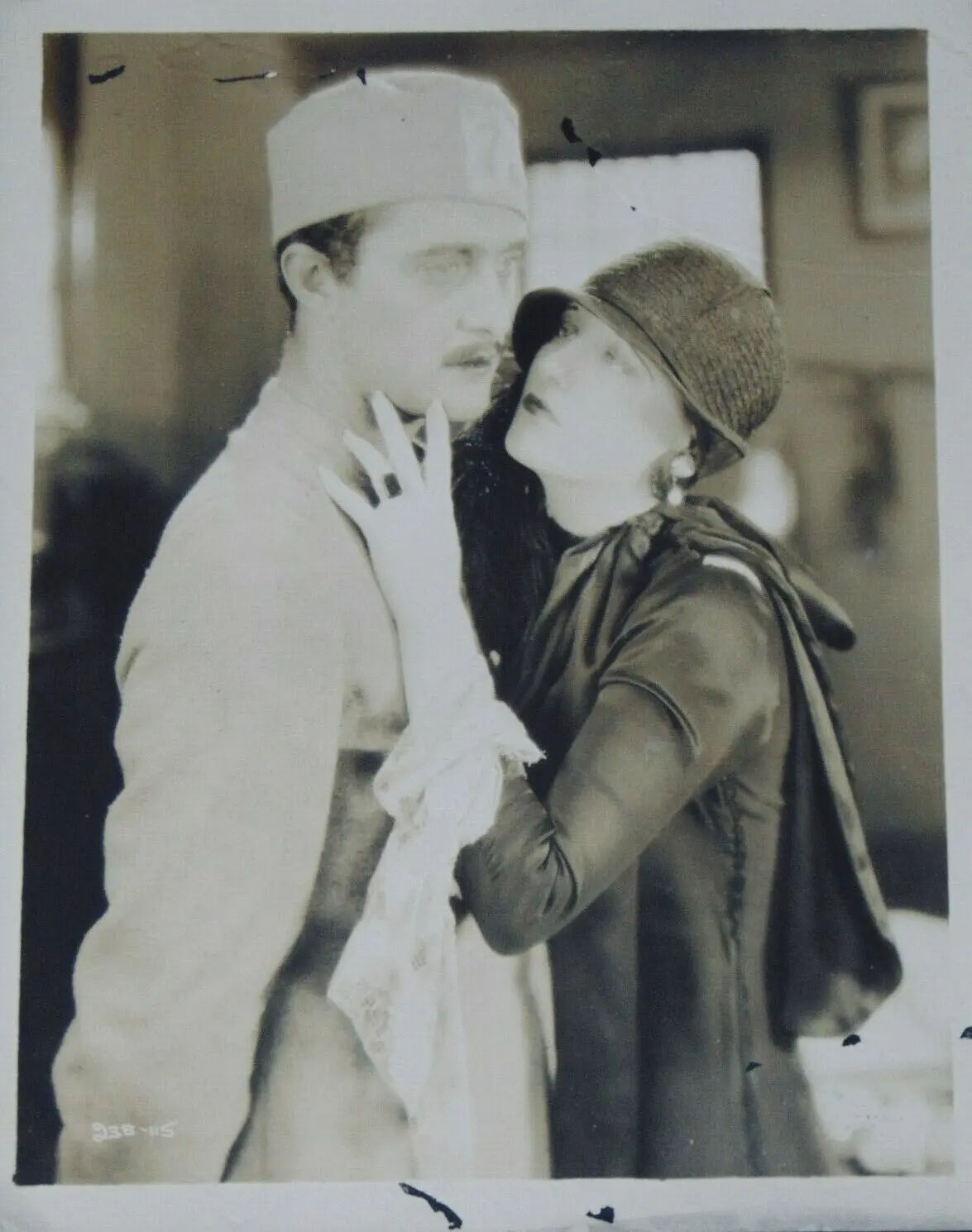
The pacing of Paris (1926) is a blend of slow and fast, reflecting the story’s alternating moments of tension and romance. The film’s tone is a mix of gritty realism and romantic idealism, creating a unique and compelling atmosphere. However, the slow pace can be a drawback for those expecting a more action-packed or fast-paced film. The story’s reliance on familiar tropes can also make certain scenes feel predictable, which may detract from the overall impact of the narrative. Despite these issues, the film’s ability to blend these elements successfully makes it a worthwhile watch for those who appreciate a more nuanced approach to storytelling.
Paris (1926) is a film that benefits from its historical context and performances, making it a worthwhile watch for those interested in the early days of Hollywood. Its blend of romance and crime, coupled with powerful acting, offers a glimpse into a world of love and violence that is both fascinating and compelling. However, for modern audiences, the film’s pacing and one-dimensional antagonists may require some patience to fully appreciate. If you’re a fan of classic cinema or pre-code Hollywood films, you should definitely give this a watch. For others, it may be more of a niche appeal, but it’s still a film worth exploring.
Paris (1926) is a film that, while not perfect, offers a unique and compelling glimpse into the early 20th-century underworld of Paris. Its powerful performances and striking cinematography make it a worthwhile watch for those who appreciate the nuances of classic cinema. However, it may not be to everyone’s taste, particularly those expecting a more modern or fast-paced take on the genre. Ultimately, it’s a film that rewards those willing to appreciate its strengths and overlook its weaknesses, making it a valuable addition to the canon of early Hollywood films.
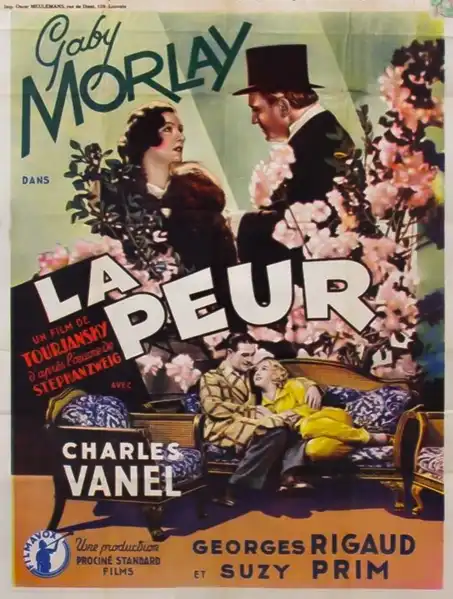
IMDb 4.4
1936
Community
Log in to comment.