DbcultAccessing Vault...
7.3/10
Senior Film Conservator
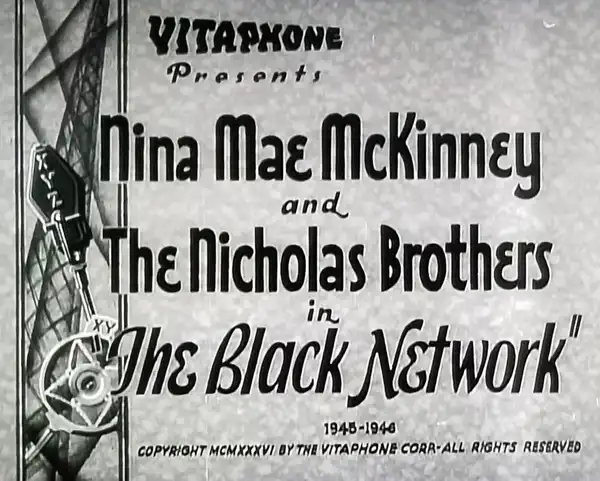
A definitive 7.3/10 rating for a film that redefined the boundaries of cult cinema. The Black Network remains a cornerstone of transgressive art.
Alright, so “The Black Network” is one of those films you watch and instantly think, wow, this is a real piece of history. If you're into early Black cinema, or just want to see a glimpse of what variety shows looked like on the radio back in the day, you should absolutely check it out. You’ll probably enjoy it for the sheer talent on display and the fun, lighthearted plot. But hey, if you need super fast pacing or a story that’s going to make you think real hard, this might feel a little slow. And that's okay too!
The whole thing feels so much like an actual radio broadcast, just brought to life on screen. You get the sense of a busy studio, with everyone trying to keep the show going.
At the center of it all is Brutus Johnson, the shoe polish king, who’s trying to run his radio program. But his wife, Mezzanine, played with real gusto by Amanda Randolph, is the one who really steals the show with her bossiness. She believes it’s her right to sing, because her father put up the money, and she’s not shy about making it known. Brutus looks like he wants to disappear sometimes when she gets going. 😬
Then there are Nina Mae McKinney and Emmett 'Babe' Wallace, the real stars of the broadcast. They have this easy chemistry. You can tell they’ve been performing together for ages. When they sing, it just feels right. You root for them to keep their spots.
The Washboard Serenaders are in there too, doing their thing. They bring a specific kind of energy, you know, just a good time.
But let’s talk about The Nicholas Brothers. Wow. Their segment is just electrifying. They come in as guys selling lucky numbers, then transition into this incredible dance routine for the amateur hour. It’s a complete showstopper. Like, the whole film just pauses for a bit to let them blow you away. And they do! ✨
This movie isn't trying to be deep, it's more about the charm of the era. The plot of Mezzanine trying to take over Nina Mae’s spot feels like a simple, everyday problem, but it drives everything. You kinda get swept up in it all.
The way they hint at the public listening in, with people talking about the show, it adds a nice touch. It makes the world feel bigger, even though most of the action is in the studio.
One little thing I noticed was the name of the sponsor: Porter Pullman Shoe Polish. It’s repeated a few times. Kinda makes you wonder about all those old product sponsorships back then.
Sometimes a scene feels like it goes on just a little too long, but then something else kicks in, like a quick song, and you forget all about it. It’s got a rhythm to it, even if it’s not always perfectly even.
You can see the effort to create this world of a live radio show. The sound effects, the quick cuts to different performers. It's really quite immersive.
It’s a fun, quick watch that really gives you a feel for what entertainment was like for many people at home. Not every film needs to be a grand statement, sometimes just a good time is more than enough.
Didja notice?
IMDb —
1924
Community
Log in to comment.