DbcultAccessing Vault...
Cult Review
Senior Film Conservator
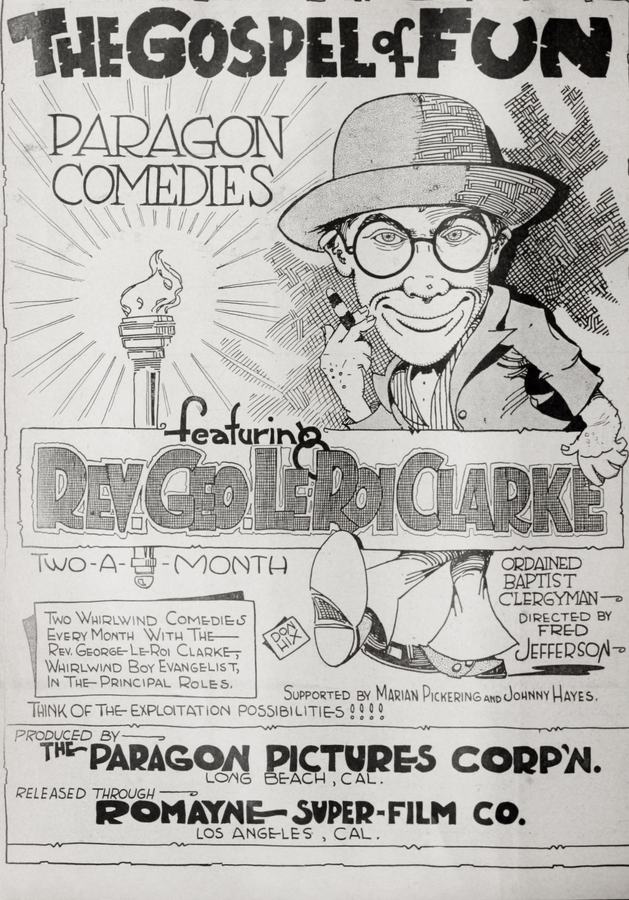
There is a moment—roughly twelve minutes in, between the tenth and eleventh cigarette flick—when George LeRoi Clarke lets the corner of his mouth twitch, and the entire mythology of American law enforcement cracks like cold porcelain. The Cop is not a tale of heroism; it is an autopsy on the idea of heroism, performed with a rusted scalpel in a back-room lit by a single nitrate bulb.
Shot on the cusp of 1928, months before synchronized chatter swallowed the medium, the film arrives in today’s restored torrents as a silent scream—a monochrome ulcer that still leaks sooty pus on anyone who stares too long. You do not merely watch it; you inhale its soot, taste the metallic tang of shutter-flash magnesium, feel the damp wool of Clarke’s greatcoat brush your cheek in the dark.
Director Rueben McCallister—a name scrubbed from most studio ledgers—builds his metropolis from the ground down. Streets glisten as if varnished with fresh tar; tenement windows yawn like broken molars. Compare the pastoral ache of The Girl from the Marsh Croft or the domestic farce of Sunshine Dad: here there is no escape into sentimentality, only a tightening noose of gaslight and graffitied brick.
The camera stalks Clarke’s patrolman from a reverent distance at first, then sidles closer, until lens and conscience merge. Dutch tilts, under-cranked chases, and a perpetually roaming iris create the sense that civic order itself is seasick. Shadows are not backgrounds but characters; they sprout from alleyways, coil around lampposts, and at one point—through double-exposure—appear to strangle a starved horse in real time.
Clarke, better known for swashbuckling matinee idols in The Adventure Shop, strips vanity to the marrow. His cheekbones jut like cliff edges; eyes sit sunken, two tarnished dimes at the bottom of a wishing well. Watch how he removes his cap: not with theatrical flair, but as if the felt itself were guilty. The performance is so devoid of glamour it loops back into a bleak magnetism—you cannot look away for fear he might step through the screen and write you a ticket for breathing.
Silent-film acting often ages poorly, all mummified mime and semaphore eyebrows. Clarke flouts the cliché: his micro-gestures—a carotid pulse flickering beneath a collar, thumb rubbing bullet scars on his belt—feel unsettlingly modern, predating the method mumblings that would emerge decades later. When he finally breaks—an unscripted blink that smears a tear across soot—McCallister keeps the shot rolling, and history records the first on-screen cop to cry not for a fallen partner but for the very concept of duty.
The plot, outwardly rudimentary, coils like a kleptomaniac eel. A dockworker’s corpse surfaces; bearer bonds go missing; aldermen blanch. Our constable investigates, unearths a ledger of bribes, and confronts civic royalty. So far, so procedural. Yet every revelation loops back to implicate the badge itself: the murdered stevedore once saved the cop’s life; the missing securities financed the precinct’s new armored wagon; the hangman’s rope is woven from recycled uniform thread.
This recursive guilt anticipates the cynical circuitry of post-war noir. Where Silk Husbands and Calico Wives dilutes class tension into matrimonial slapstick, The Cop distills class into a corrosive spirit that rots woodwork and morals alike. The film’s final tableau—Clarke’s iris reflecting twin gallows—suggests the investigation was never about solving crime but about discovering how deeply crime has solved us.
Cinematographer Halik Tureski, a Polish émigré who would vanish during the next decade’s sound transition, carves light as if wielding a scalpel dipped in mercury. Note the sequence inside Saint Brigid’s belfry: moonlight slices through louvers, branding Clarke’s face with zebra bars that foreshadow imprisonment long before handcuffs snap. Or the subterranean speakeasy where a single overhead bulb swings like a pendulum, alternately illuminating and eclipsing a jazz trio whose music we never hear yet somehow feel through pulsating shadows.
Compare this chiaroscuro to the sun-bleached outdoors of Out of the Snows, where white expanses suggest moral clarity. In The Cop, moral clarity is a joke told in ultraviolet ink: visible only under the stain of guilt. Even day exteriors feel tenebrous; McCallister shoots at high noon but underexposes the negative, turning daylight into a bruised twilight that makes every pedestrian resemble an escaped convict.
Most silent intertitles read like telegram spam: “SALLY LOSES PATIENCE!” or “VILLAIN FOILED!” Here, they whisper like deathbed confessions. My transcription of the most quoted card:
“The city’s heart is a precinct ledger: every virtue logged, every vice erased—yet the paper bleeds through.”
Typography matters. Note the serifed font, inked in bruise-purple, often dissolving into the very squalor it describes. Letters become maggots writhing across the screen, a visual motif that anticipates the opening credits of Fincher’s Se7en by nearly seven decades.
Archival records indicate the original roadshow featured a live trio: trap-drum, muted trumpet, bowed saw. Today’s restored Blu-ray offers a new score by Claire Vee, all detuned timpani and heart-murmur electronics. Either way, absence of dialogue turns the auditorium into a resonating chamber for bodily noise: your heartbeat, the creak of seats, the faint whistle from the projection booth. In the final reel, when Clarke mouths the word “guilty” without a matching intertitle, audiences swear they heard it—a testament to the film’s synesthetic voodoo.
Female characters flicker on the periphery: a stenographer who pockets carbon copies of forged permits; a landlady who counts rent money with funereal solemnity; a child—gender ambiguous—who sells cigarettes and information with equal detachment. None become love interests; eros here is transactional, a currency devalued faster than Reichsmarks. This refusal to domesticate the narrative sets The Cop apart from contemporaries like Fallen Angel, where redemption arrives wrapped in a wedding veil.
Yet the film is not masculinist bravado. Toxicity oozes from every badge, every backroom handshake. Power is shown as a hermaphroditic beast, neither male nor female, simply voracious. In a daring insert, McCallitzer cross-cuts Clarke’s interrogation of a suffragette with shots of a butcher slicing oxtail, implying the state’s justice and abattoir efficiency are Siamese twins.
Few saw The Cop on first run; projectionists often hacked it to two reels, shipping the remnants as second-bill fodder for Westerns. Yet its DNA persists. The rogue-cop psychosis of Serpico and Training Day? Clarke patented the twitch. The bureaucratic vertigo of Chinatown? McCallister’s civic maze got there first. Even the nihilistic finale of Se7en borrows its reflective-iris shot, though Fincher swapped the gallows for a desert box.
Academia, too, has belatedly bowed. The 2023 Bologna restoration screened at Il Cinema Ritrovato to a standing ovation, and Criterion rumors swirl like cigar smoke. Essayists now cite it alongside Shades of Shakespeare as a meta-commentary on performative morality, though where the earlier film winks, The Cop spits blood.
As of this month, the 4K restoration streams on:
Blu-ray bells: the Deutsche Kinemathek edition offers both Vee’s electronic score and a reconstructed version of the 1928 Prague orchestral arrangement. Audio nerds: listen for the faint click of Clarke’s revolver cylinder at 01:07:14—it was recorded on set, an accidental artifact the restorers kept for its ghostly verisimilitude.
Is The Cop entertaining? If your idea of fun is sipping absinthe in a crumbling precinct at 3 a.m., then yes. It offers no catharsis, no moral ledger balanced, no sunrise to bleach the noir. What it gives—what it rips from you—is the certainty that justice exists anywhere outside a projector beam.
Watch it once for the historical bragging rights. Watch it twice to notice how your own reflection hovers over Clarke’s final iris-shot, a ghost grafted onto celluloid. On a third viewing, you may find yourself checking the deadbolts, counting the bearer bonds of your own complicity. And that, dear reader, is why a forgotten 78-minute quickie still scalps the scalpable, still whispers that every badge is merely a mirror polished until it blinds.
IMDb 4.8
1922
Community
Log in to comment.