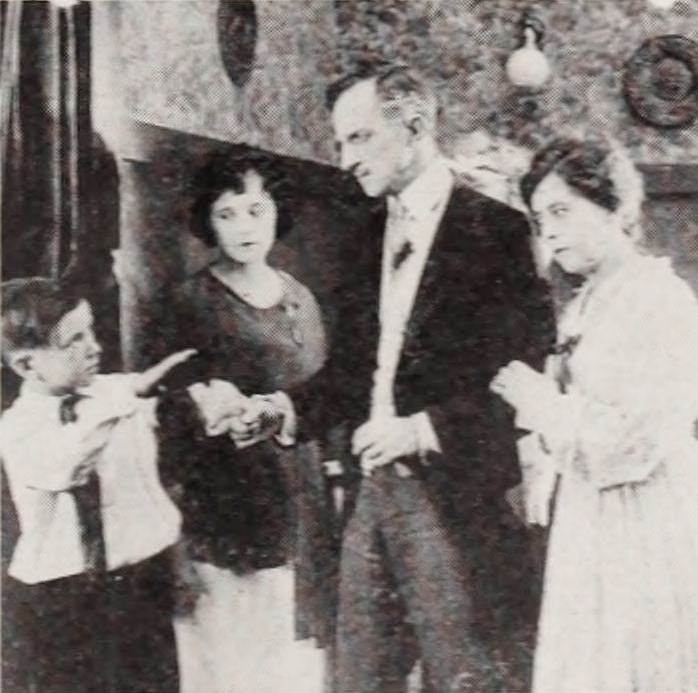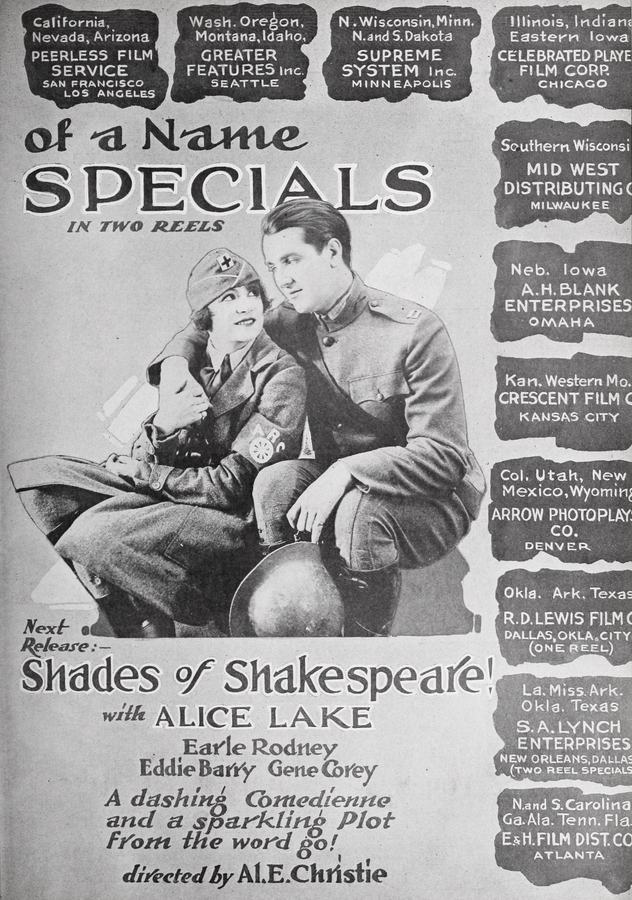
Alice undertakes to present an amateur performance at the local small town opera house. After turning down Ibsen, Shaw, Oscar Wilde and Shakespeare, Alice decides the only way to get a good play is to write one herself.
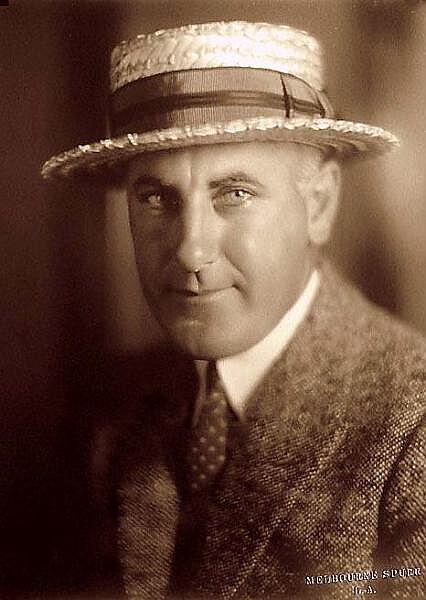
Scott Darling
United States
Scott Darling’s 1928 one-reel oddity Shades of Shakespeare begins where most backstage yarns end—after the rejection slip, after the muse has slammed the door, after the provincial star realizes canonical gold is still pyrite in her palms. Yet the film refuses to whimper. Instead it detonates: Alice Lake’s Alice (no...
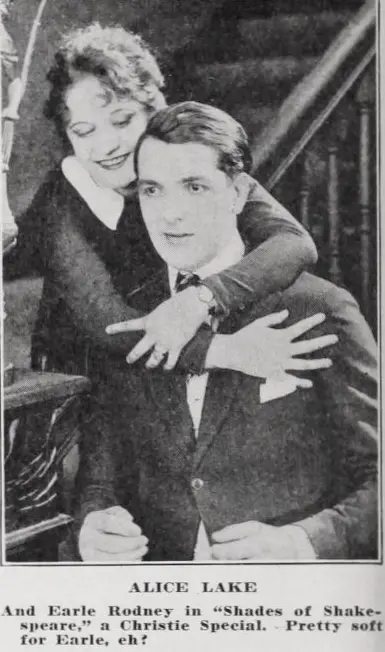
still_frame
Comparing the cinematic DNA and archive impact of two defining moments in cult history.
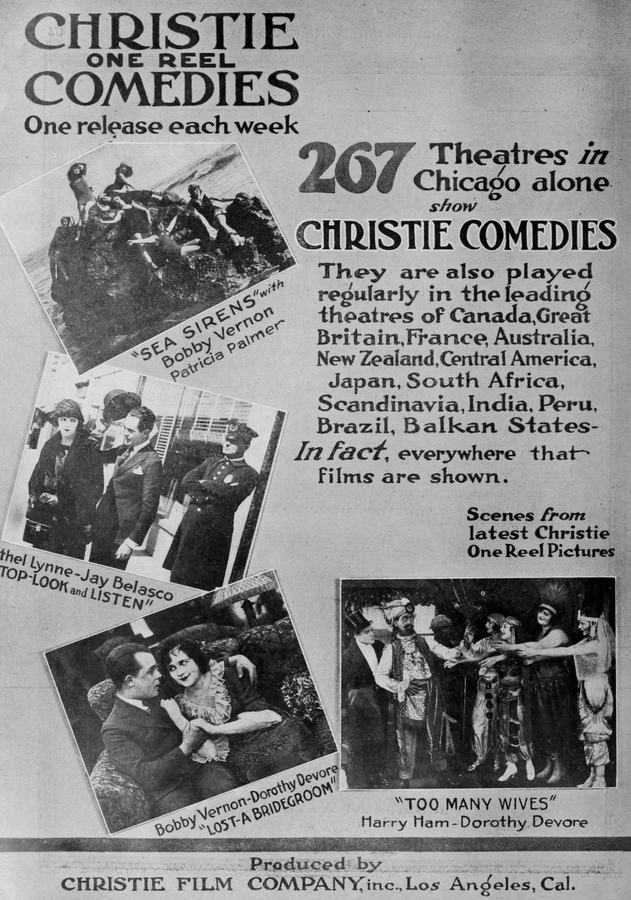
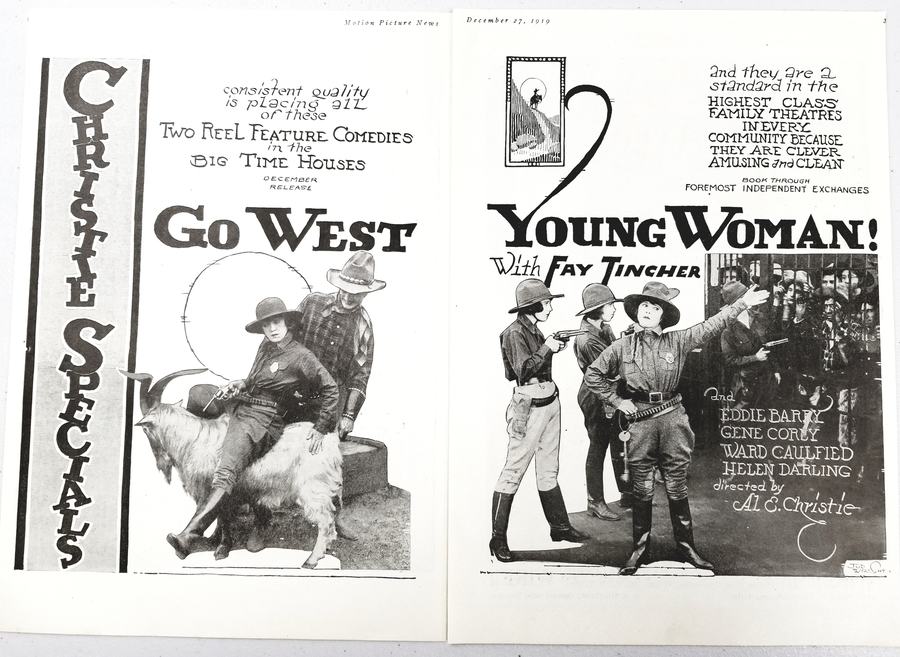
Al Christie
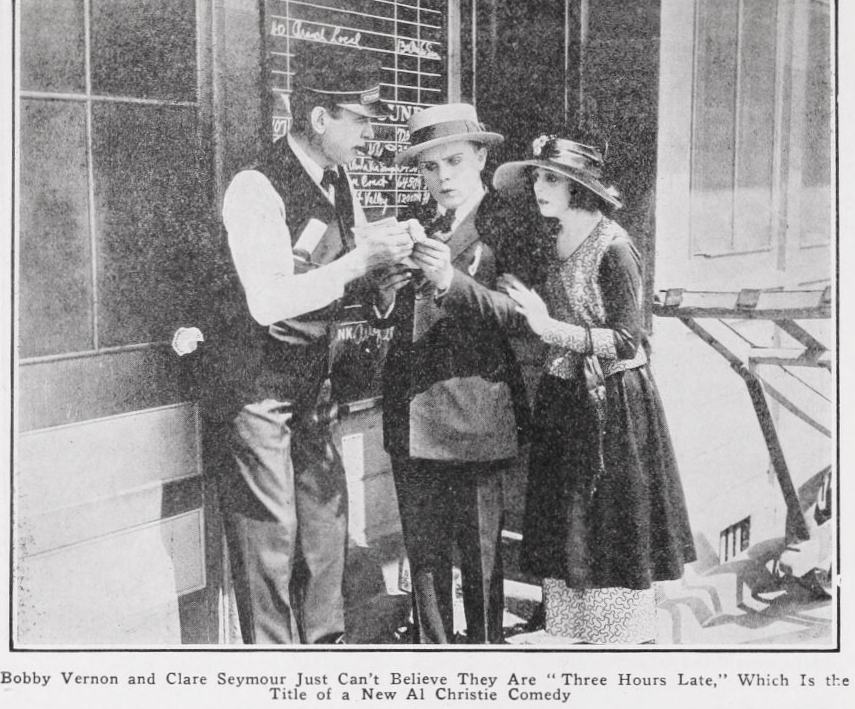
Al Christie
Community
Log in to comment.
" Scott Darling’s 1928 one-reel oddity Shades of Shakespeare begins where most backstage yarns end—after the rejection slip, after the muse has slammed the door, after the provincial star realizes canonical gold is still pyrite in her palms. Yet the film refuses to whimper. Instead it detonates: Alice Lake’s Alice (no coincidence in the mirroring of names) scribbles her own insurgent text, half morality play, half fever dream, and strong-arms an entire township into becoming co-conspirators. Th..."
Deep dive into the cult classic
Discover similar cinematic experiences
A Directorial Spotlight on Al Christie