DbcultAccessing Vault...
5.8/10
Senior Film Conservator
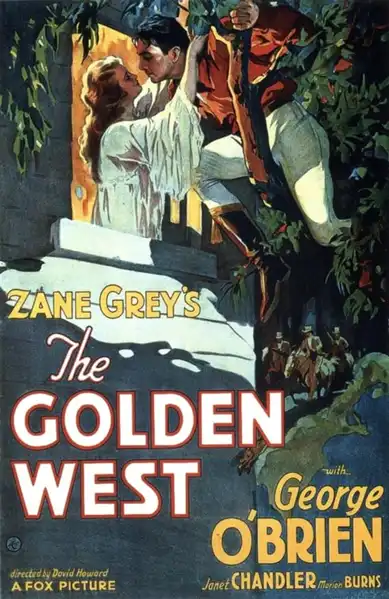
A definitive 5.8/10 rating for a film that redefined the boundaries of cult cinema. The Golden West remains a cornerstone of transgressive art.
If you have about an hour and you’re in the mood for something that feels like a dusty old paperback come to life, this is probably for you. It’s a Zane Grey story, so you basically know the deal—lots of talk about honor, some revenge, and people staring intensely at the horizon. If you’re the type who can’t stand scratchy audio or old-school acting that feels a bit like a stage play, you’ll probably hate it. But for anyone else, it’s a fun little relic.
The movie starts out as a feud drama. The Summers family and the Lynches are at each other's throats in the South. David Lynch, played by George O'Brien, ends up killing one of the Summers boys in a fight. He has to get out of town fast, leaving behind the girl he loves. It feels a bit like a rushed version of Romeo and Juliet, but with more dirt and fewer poems.
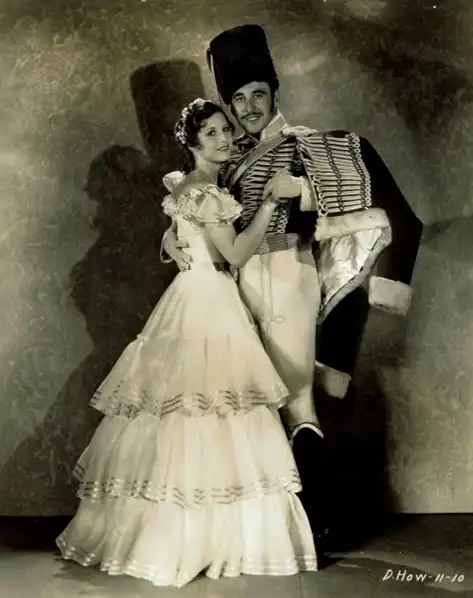
George O'Brien is great in this because he actually looks like he belongs outside. He doesn't have that soft, city-boy look that a lot of actors had in the early 30s. He looks like he could actually chop wood or ride a horse without complaining. He heads West, gets married, and tries to start a new life, but the past has a way of catching up.
There is this one scene where the Indians attack their wagon that is actually pretty well shot. It’s chaotic and the editing feels almost modern compared to some other stuff from 1932. His wife is killed, and their little boy is taken by the tribe. Then, the movie just does this massive time jump.
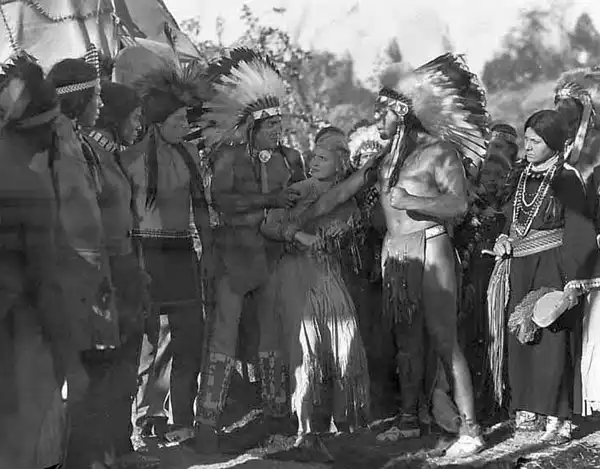
Suddenly, it's twenty years later. The kid has grown up and is now the chief of the tribe. And the kicker? George O'Brien plays the grown-up son too. It’s a bit strange seeing him in the face paint and the wig, but he plays it with so much intensity that you kind of just go with it. He looks like he’s having the time of his life, honestly.
The plot gets even wilder when he meets a girl nearby. Turns out, she’s the daughter of Betty, the woman his father loved back East. Talk about a small world. Even in the 1800s, you apparently couldn't escape your parents' baggage no matter how far you rode.
I noticed Hattie McDaniel has a tiny, tiny part in this early on. She’s uncredited, but you can’t miss her voice. It’s always a little bit of a bummer to see someone that talented stuck in a background role, but she still manages to pop. It makes you realize how much talent was just sitting in the background of these old B-movies.
The landscape looks amazing. They actually went out and shot in real locations, which makes a huge difference. You can see the actual dust on their clothes and the way the light hits the rocks. It doesn't feel like a stuffy studio set at all. It reminded me a bit of the outdoor feel in The Gunfighter, even though that one came much later.
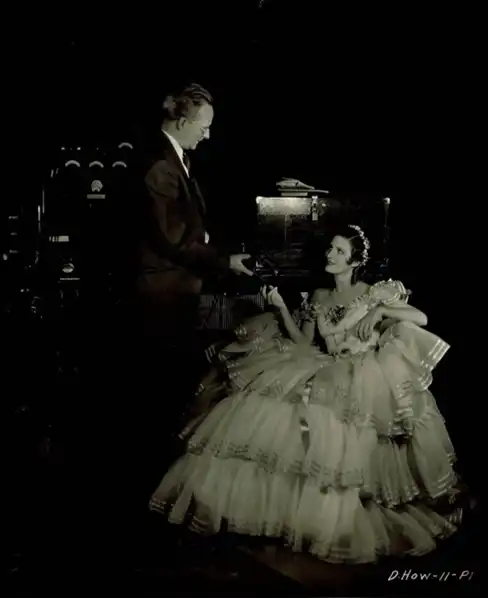
There’s a scene where the "Indian" chief has to decide between his people and the white settlers. The movie tries to be sympathetic to the tribe, which is surprising for 1932. But let's be real—it’s still very much a product of its time. The makeup on some of the actors playing the tribe members is... well, it's pretty thick. You just have to squint and ignore it.
I loved seeing Jim Thorpe in the cast. The legendary athlete doesn't have a massive role, but his presence gives the movie some actual weight. He just looks like a guy you wouldn't want to mess with. Every time he’s on screen, the energy shifts a little bit.
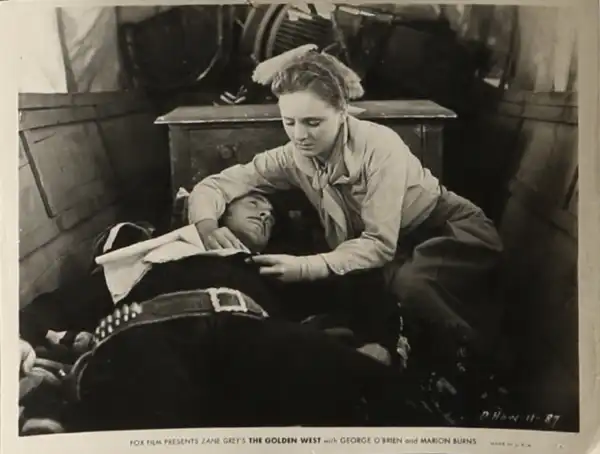
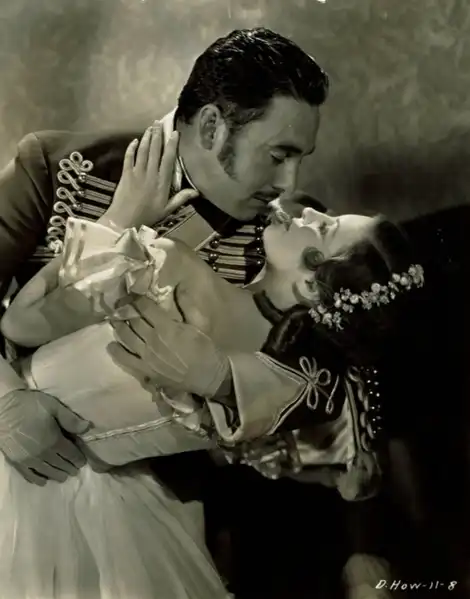
The romance is probably the weakest part of the whole thing. Janet Chandler is fine, but she doesn't have much to do besides look worried and wait to be rescued. Their meeting in the woods is supposed to feel like destiny, but it feels more like a lucky coincidence. I was way more interested in the feud stuff and the survival elements.
The sound recording is a bit fuzzy. Sometimes you have to really lean in to hear what they're saying over the wind or the sound of the horses. It’s not a dealbreaker, but it makes the movie feel its age. If you've seen The Dixie Merchant, you might recognize that specific early-30s Fox sound quality. It's a bit thin.
One weird thing I noticed was the way the horses were handled. They look like they are actually working hard, not just standing around. There’s a grit to it that you don’t always see. It’s those small details that make these old westerns worth watching for me. It’s not just a story; it’s a recording of how things used to look.
The ending feels incredibly rushed. Everything gets wrapped up in about five minutes flat. The feud from the beginning is settled, the romance is sealed, and everyone goes home. It’s almost like the director realized they were running out of film and just yelled "Okay, everyone be happy now!"
It’s not a masterpiece by any means. It’s just a solid, weird little western that doesn't overstay its welcome. George O'Brien is the main reason to watch it. His physical presence is just so much more interesting than the dialogue he’s given. He has this way of looking at people that makes you think he’s about to start a fight or a parade.
If you like seeing how the genre started out before it got all polished and serious, give it a look. It’s got that raw, slightly clumsy energy of early sound films. Plus, seeing a 1930s take on a "white Indian" chief is a trip. It’s exactly the kind of movie that feels like it was found in a basement and dusted off just for you.
IMDb —
1924
Community
Log in to comment.