DbcultAccessing Vault...
4.6/10
Senior Film Conservator
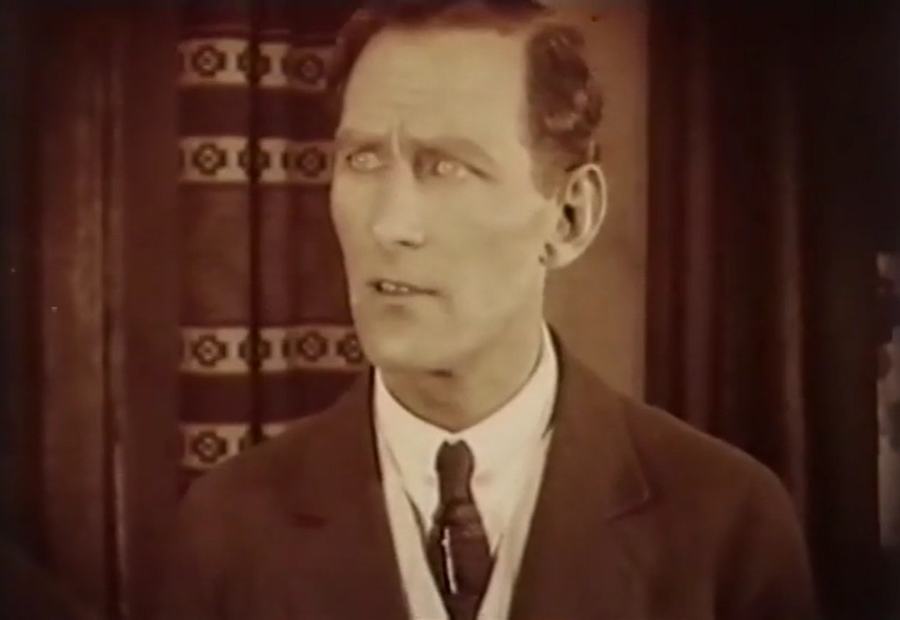
A definitive 4.6/10 rating for a film that redefined the boundaries of cult cinema. The Island of the Lost remains a cornerstone of transgressive art.
In the annals of early cinema, particularly within the nascent genre of science fiction horror, certain films stand as stark, foundational monuments. Among these, the 1929 German silent adaptation, The Island of the Lost (original title: Die Insel der Verlorenen), emerges as a particularly fascinating, if sometimes overlooked, artifact. Loosely inspired by H. G. Wells' seminal novel, The Island of Dr. Moreau, this cinematic endeavor plunges viewers into a nightmarish exploration of scientific hubris, primal instinct, and the fragile boundaries of humanity. It is a testament to the power of visual storytelling, even in an era devoid of spoken dialogue, to convey profound existential dread and moral quandaries.
The film, co-written by director Hans Behrendt and Bobby E. Lüthge, with the spectral influence of H.G. Wells himself, navigates a familiar yet distinct narrative current. We are introduced to a shipwrecked protagonist, an unfortunate mariner, who, through a stroke of grim fate, washes ashore on an isolated, tropical island. This is no idyllic paradise, however, but rather the clandestine laboratory and living nightmare of Dr. Moreau, portrayed with chilling intensity by an uncredited actor, a figure whose scientific pursuits have veered violently into the realm of the monstrous. Moreau, a titan of vivisection, has dedicated his life to an unholy endeavor: transforming animals into grotesque, semi-human beings, often referred to as 'beast-men.' These creatures, a tragic amalgam of human form and animalistic impulse, live under Moreau's tyrannical 'Law,' a set of prohibitions designed to suppress their inherent savagery and maintain a semblance of order within his bizarre dominion.
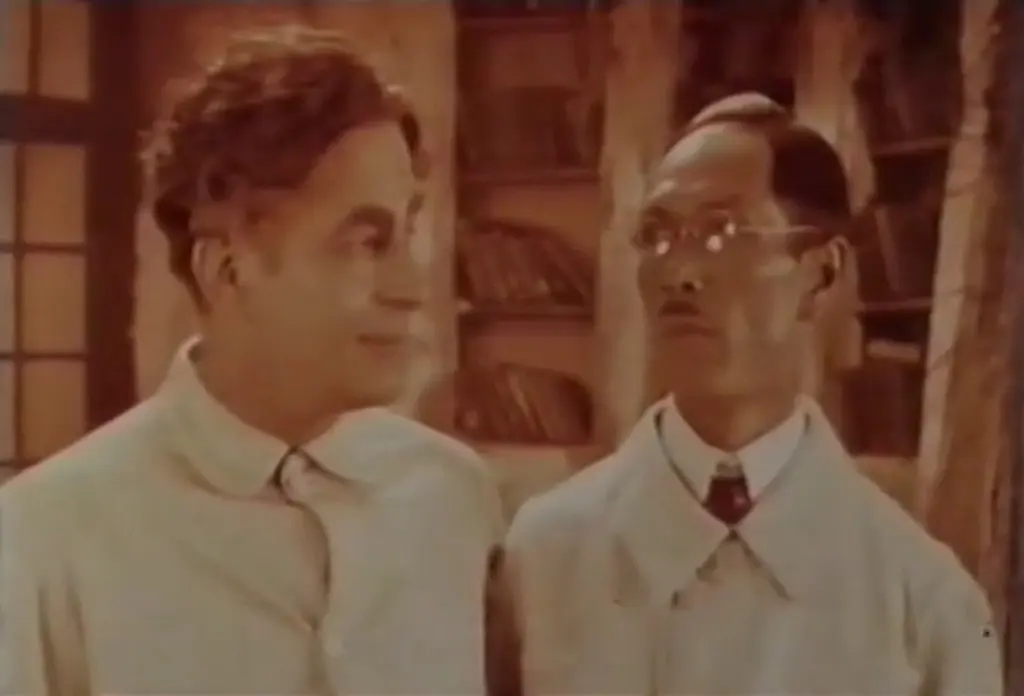
The arrival of the protagonist, a symbol of untainted civilization, acts as a catalyst, disrupting the delicate and terrifying balance Moreau has painstakingly enforced. The beast-men, particularly those portrayed by actors such as Umberto Guarracino and Louis Brody, are drawn to the newcomer, their nascent humanity yearning for connection, while their animalistic instincts remain a constant, simmering threat. This central conflict – the imposition of human order upon innate savagery, and the inevitable rebellion against it – forms the pulsating heart of the narrative. It’s a theme that resonates deeply with Wells' original text, albeit filtered through the unique expressive capabilities and limitations of silent cinema. The film’s narrative arc meticulously constructs a descent into chaos, where Moreau’s grand, horrifying experiment spirals out of control, culminating in a visceral confrontation between creator and creation, and ultimately, between the fragile veneer of civilization and the raw power of the wild.
Silent films, by their very nature, demand a heightened reliance on visual storytelling, and The Island of the Lost rises to this challenge with remarkable efficacy. The cinematography, though perhaps not as overtly Expressionistic as some of its German contemporaries, nevertheless employs shadow and light to great effect, creating an atmosphere of palpable dread. The jungle itself becomes a character, a suffocating, entangled entity that mirrors the moral and physical entrapment of its inhabitants. The sets, though likely constrained by budget, manage to evoke a sense of isolation and the crude, utilitarian nature of Moreau’s laboratory, a place where life is not cherished but manipulated.
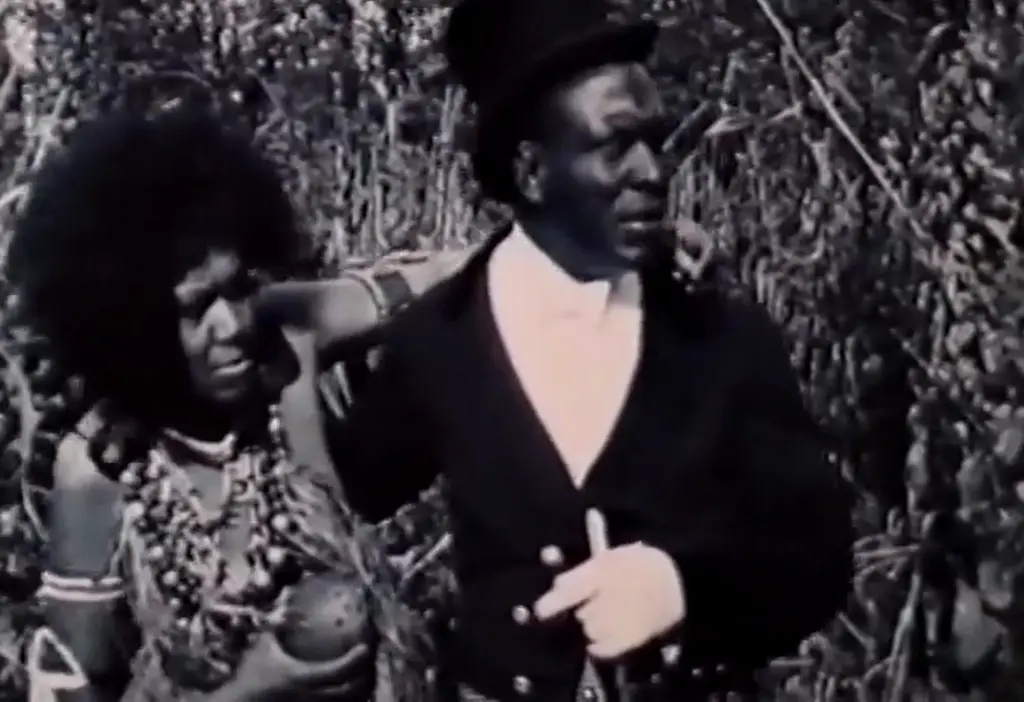
The portrayal of the beast-men is particularly noteworthy. Without dialogue, their tragic existence must be conveyed through their physical appearance, their gestures, and their tormented expressions. The makeup and costuming, while perhaps primitive by modern standards, effectively communicate their hybrid nature – a disturbing blend of human and animal features that elicits both revulsion and profound pity. The film’s ability to evoke sympathy for these monstrous figures, even as they pose a threat, is a testament to its nuanced approach to horror. Unlike the more straightforward terror found in some early genre pieces, The Island of the Lost delves into a more psychological and ethical horror, questioning what truly defines humanity and where the line of scientific morality should be drawn.
The ensemble cast of The Island of the Lost faced the unique demands of silent acting, where emotion and narrative progression hinged entirely on physical expression and facial nuance. Hans Behrendt, beyond his directorial duties, likely plays a significant role, though specific character assignments are often obscured by the passage of time and the limited documentation of silent productions. Hanni Weisse, a prominent figure in German cinema of the era, would have brought a certain gravitas or vulnerability to her role, often embodying the innocence or the threatened purity within these dark narratives. Similarly, Ludmilla Hell, with her expressive capabilities, would have contributed significantly to the emotional landscape of the film.
The true stars of this adaptation, however, are arguably the actors tasked with portraying the beast-men. Umberto Guarracino, Nien Tso Ling, Louis Brody, and others had the arduous task of embodying beings trapped between two worlds. Their performances would have relied on exaggerated yet precise gestures, contorted expressions, and a mastery of body language to convey their suffering, their nascent intelligence, and their suppressed animalistic urges. In an era where films like The Eyes of Julia Deep or Inherited Passions relied on subtle romantic cues, The Island of the Lost demanded a more visceral, almost primal form of acting. The sheer physicality required to convey the internal struggle of these creatures – their attempts to adhere to 'The Law' while battling their own instincts – is a remarkable feat of silent performance. The terror they inspire is not merely external, but born from the tragic horror of their very existence.
Beyond its surface-level horror, The Island of the Lost delves into profound philosophical questions that remain relevant today. The core theme, of course, is the peril of scientific ambition unchecked by ethical considerations. Dr. Moreau represents the ultimate hubris, believing himself capable of improving upon nature, of transcending the natural order. His island is a microcosm of a colonial mindset, where a dominant power (Moreau) attempts to impose its will and 'civilization' upon a 'primitive' populace (the beast-men), often with disastrous and dehumanizing results. This theme, subtly present in Wells' original, finds a potent, if implicit, visual language in the silent film.
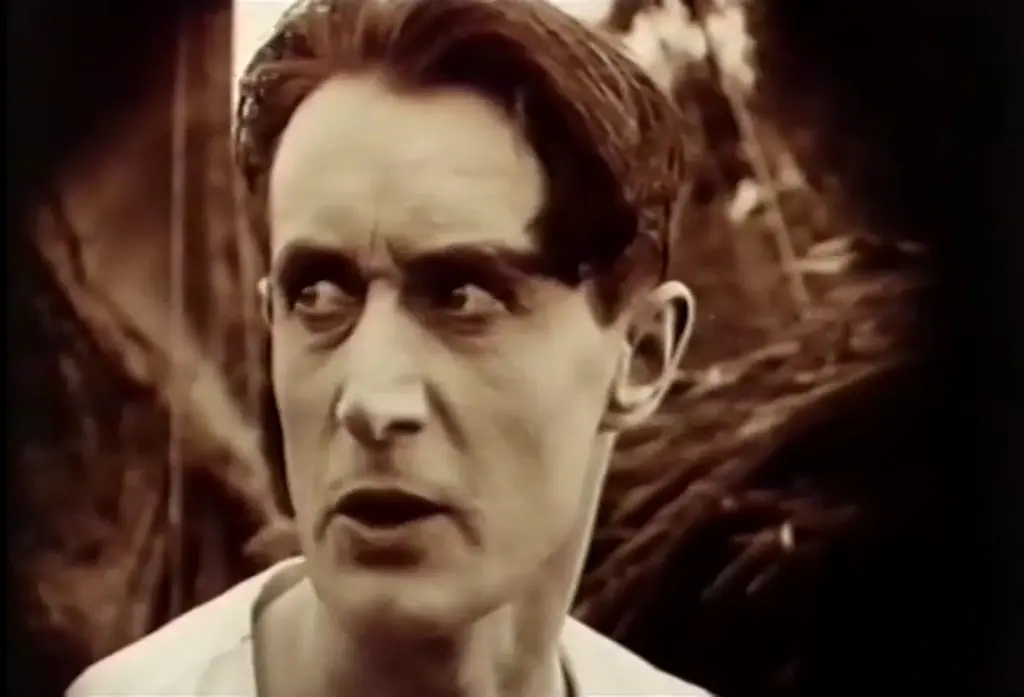
The film also masterfully explores the inherent savagery within humanity itself. Are we merely animals with a thin veneer of intellect and learned morality, or is there something fundamentally distinct about the human spirit? The beast-men, perpetually struggling with 'The Law' – 'Are we not Men?' – embody this existential dilemma. Their eventual reversion to primal instincts, triggered by the collapse of Moreau's authority, serves as a grim warning about the fragility of civilization and the ever-present threat of our own base urges. This exploration of humanity's darker side, of the beast within, is a recurring motif in horror cinema, but The Island of the Lost presents it with an almost anthropological starkness.
The character of Dr. Moreau is, naturally, the lynchpin of the entire horrific enterprise. While the specific actor's name might be lost to time in some records, their performance would have been crucial in conveying Moreau's complex persona: a brilliant scientist, yet utterly devoid of moral compass; a man who believes he is elevating life, but is instead perpetrating unspeakable cruelty. In the silent era, such a character required an actor capable of projecting both intellectual arrogance and a chilling, almost paternalistic, disdain for his creations. His gestures, his gaze, his very posture would have to communicate his absolute control and his descent into madness as his experiments unravel.
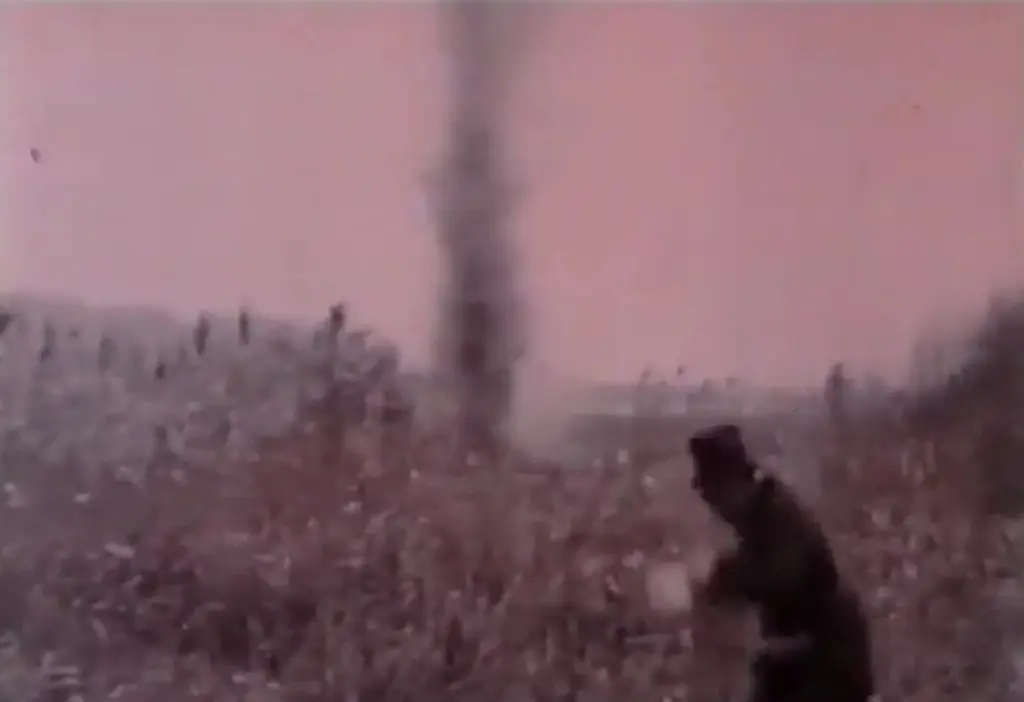
The legacy of Moreau, as established by Wells and echoed in this adaptation, is that of the archetypal 'mad scientist' – a figure who, in his pursuit of knowledge or power, transgresses ethical boundaries with catastrophic results. This portrayal paved the way for countless cinematic villains and cautionary tales about scientific overreach. The film, in its own way, contributes to this enduring archetype, presenting a Moreau who is both terrifying and tragically deluded, a man consumed by his own perverse vision.
Placing The Island of the Lost within the broader context of silent cinema reveals its unique position. While many films of the era, such as Hendes ungdomsforelskelse or The Man and the Moment, explored themes of romance, social drama, or adventure, The Island of the Lost bravely ventured into the darker realms of speculative fiction and body horror. It shares a certain thematic kinship with other early horror or proto-sci-fi narratives that explored the grotesque and the uncanny, often through the lens of mad science or supernatural phenomena. Its narrative pacing, reliant on intertitles for exposition and dramatic pauses for emotional impact, is characteristic of the period, yet it uses these conventions to build suspense and convey the unsettling atmosphere of Moreau's island.
The film's influence, though perhaps less overt than some of the more celebrated Universal horror films that would follow, lies in its early attempt to grapple with Wells' complex ideas in a visual medium. It demonstrated that even without spoken words, the chilling implications of human-animal hybrids and unchecked scientific ambition could be effectively communicated. Its raw, visceral imagery and its focus on the psychological torment of its characters set a precedent for future adaptations and for the development of the horror genre itself. It is a precursor, in many ways, to the more explicit body horror and ethical dilemmas explored in later films.
From a technical standpoint, The Island of the Lost, like many silent films, may exhibit certain characteristics that modern audiences find challenging. The pacing can feel deliberate, the acting overtly theatrical, and the reliance on intertitles can occasionally interrupt the flow of the visual narrative. However, these are not necessarily flaws but rather conventions of the era, and to appreciate the film fully, one must view it through that historical lens. The film’s strengths lie in its bold thematic choices, its commitment to creating a genuinely unsettling atmosphere, and its courageous attempt to translate a complex literary work into a purely visual language.
The limited special effects of the time also mean that the beast-men, while disturbing, are not rendered with the seamless realism that CGI affords today. Yet, this lack of technological polish often adds to the film's eerie, almost handmade quality. There's a certain raw, unsettling charm in the practical effects, which, rather than detracting from the horror, enhance its grotesque nature. It forces the viewer to engage with the concept of the beast-men on a more imaginative, psychological level, rather than simply being awed by visual spectacle. The film’s impact, therefore, is more insidious, creeping into the viewer’s mind through suggestion and atmosphere rather than shock.
Ultimately, The Island of the Lost stands as a fascinating, if imperfect, testament to the audacity and ingenuity of silent cinema. It takes a profoundly disturbing literary work and renders it with a unique visual vocabulary, exploring themes of morality, scientific ethics, and the primal struggle between man and beast with remarkable depth for its time. While it may not possess the widespread recognition of some of its more famous silent horror counterparts, its historical significance and its enduring power to unsettle are undeniable. For aficionados of early genre cinema, and for anyone interested in the evolution of horror and science fiction on screen, The Island of the Lost offers a compelling, chilling glimpse into a world where science has truly gone mad, and the echoes of its silent screams still resonate today. It is a stark reminder that some horrors transcend the need for dialogue, speaking directly to the deepest, most primal fears within us all. This film is a vital piece of cinematic history, deserving of rediscovery and renewed appreciation.
IMDb —
1936
Community
Log in to comment.