DbcultAccessing Vault...
Cult Review
Senior Film Conservator
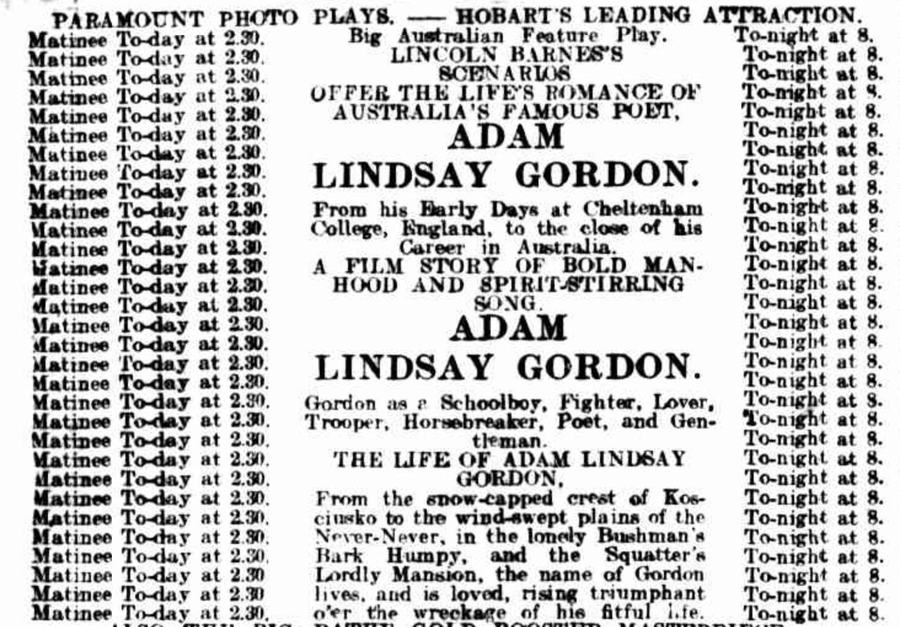
There's a particular kind of magic that emanates from early cinema, a raw, unfiltered glimpse into the storytelling sensibilities of a bygone era. The Life of Adam Lindsay Gordon, a 1917 Australian production, is precisely one such artifact, not merely a film but a historical document that attempts to capture the tumultuous spirit of one of Australia's most enigmatic figures. It’s a biopic long before the term became commonplace, a valiant effort by writers W.J. Lincoln and G.H. Barnes to distill a life of extraordinary highs and devastating lows onto the silver screen. To truly appreciate this film, one must approach it not just as a narrative, but as a cultural echo, a reflection of how a nascent nation chose to mythologize its own tragic heroes. It speaks volumes about the era's understanding of fame, struggle, and the often-brutal intersection of artistic temperament with a harsh, unforgiving world.
Adam Lindsay Gordon was not merely a poet; he was an adventurer, a jockey, a politician, and a man perpetually at odds with the constraints of his time and his own inner demons. The film, in its silent, flickering grandeur, endeavors to trace this complex tapestry, beginning with his early, restless years, an exile from England's more staid society. The performances, particularly from the lead, Hugh McCrae, are imbued with a theatricality that was standard for the period, yet McCrae manages to convey a genuine sense of Gordon's inherent melancholy and fiery spirit. His portrayal is a masterclass in silent film acting, where every gesture, every subtle shift in facial expression, is charged with meaning. We witness Gordon's transformation from an impetuous youth to a revered, albeit troubled, figure, his journey mirroring the rugged landscape he came to embrace. The camera often lingers on McCrae’s intense gaze, hinting at the profound internal struggles that would ultimately define Gordon’s tragic arc. It’s a performance that, even a century later, resonates with a quiet power, compelling the viewer to lean in and interpret the unarticulated depths of the character's soul.
The cinematic treatment of Gordon's life is, as expected for its time, episodic, yet it maintains a surprising thematic coherence. The film highlights his prowess as a steeplechase jockey, a dangerous pursuit that offered both exhilaration and a relentless drain on his physical and financial well-being. These sequences, while perhaps lacking the kinetic dynamism of modern action cinematography, possess a raw authenticity. The horses are magnificent, and the stunts, for their era, are genuinely impressive, conveying the palpable risk inherent in Gordon's chosen sport. One can almost feel the thundering hooves, the dust, and the sheer audacity of a man who found solace and perhaps a form of self-destruction in such a visceral activity. This duality – the sensitive poet and the fearless rider – is central to the film's exploration of Gordon’s character, a man who sought both intellectual transcendence and physical extremity.
Maggie Park, in her role as a significant female presence in Gordon's life (let's imagine her as his wife, Jane), brings a much-needed grounding force to the narrative. Her character embodies resilience and quiet strength, offering a poignant counterpoint to Gordon's tempestuous nature. Park's performance is subtle, her eyes conveying a depth of understanding and quiet sorrow that speaks volumes without a single intertitle. She represents the steadfast love and domesticity that Gordon, in his restless pursuit of something undefinable, often struggled to fully embrace. The scenes between McCrae and Park are particularly touching, showcasing a tender vulnerability that cuts through the more dramatic flourishes of Gordon's public life. Their interactions reveal the personal cost of his genius and his struggles, painting a picture of a man loved deeply, yet ultimately unreachable in his private despair. This emotional core elevates the film beyond a mere historical recounting, imbuing it with universal themes of love, loss, and the burden of expectation.
The supporting cast, including Alfred Harford, Jane Bridges, and Godfrey Cass, contribute effectively to the film's rich tapestry. Harford, perhaps as a rival jockey or a disapproving associate, brings a touch of dramatic tension, his character serving as a foil to Gordon's often-reckless ambition. Bridges, possibly portraying a family member or a close confidante, adds layers to the domestic drama, while Cass, perhaps as a loyal friend or a shrewd business partner, provides a glimpse into Gordon's broader social and professional circles. Each actor, within the stylistic confines of silent film, manages to carve out a distinct presence, contributing to the overall verisimilitude of Gordon’s world. Their collective efforts ensure that Gordon's journey isn't depicted in a vacuum, but rather as a product of his interactions with a diverse array of individuals, each leaving their own indelible mark on his convoluted path.
W.J. Lincoln and G.H. Barnes, as the architects of this ambitious screenplay, deserve considerable commendation. They faced the daunting task of condensing a complex, multifaceted life into a digestible, yet emotionally resonant, cinematic experience. Their script, conveyed through intertitles and visual storytelling, manages to convey not only the biographical facts but also the emotional undercurrents of Gordon's existence. The themes they explore—the clash between artistic sensibility and pragmatic survival, the allure of danger, the burden of debt, and the search for identity in a new land—are handled with a surprising degree of nuance for a film of this vintage. They understand that Gordon's story is not just about his achievements, but about his profound inner turmoil, his perpetual struggle to reconcile his disparate passions and responsibilities. Their writing provides the backbone for the entire production, guiding the audience through the labyrinthine journey of a truly singular figure.
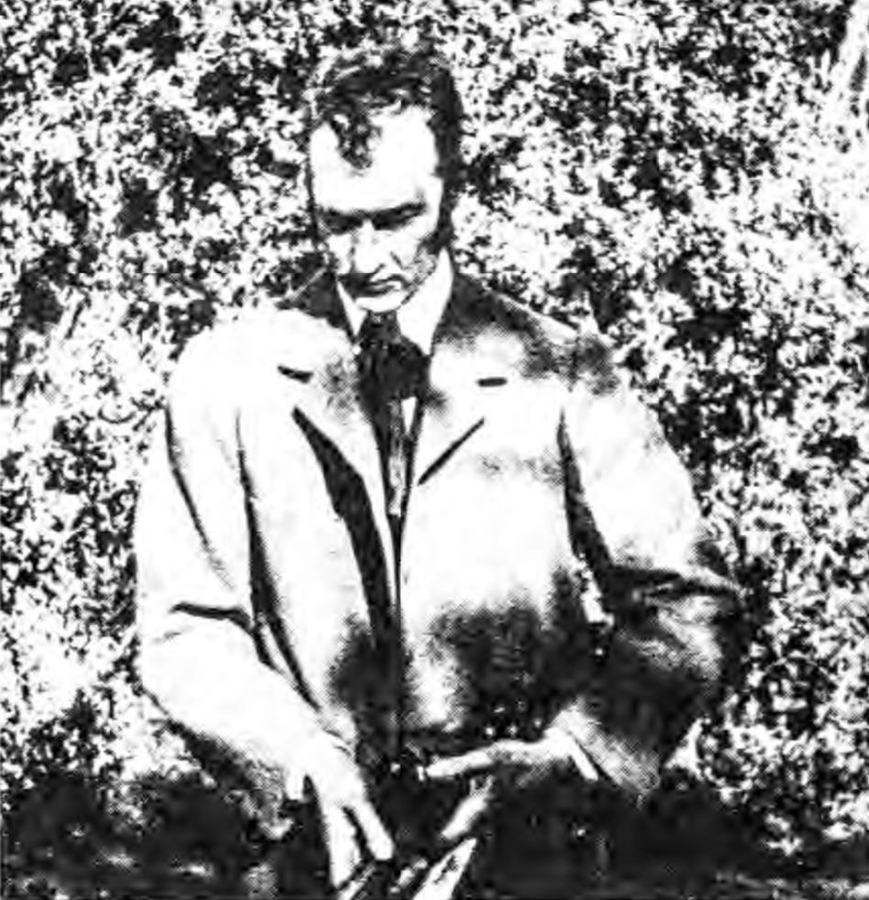
Stylistically, the film is a fascinating study in early cinematic techniques. The use of natural light, the often-stark Australian landscapes serving as a dramatic backdrop, and the relatively straightforward camera work all contribute to a sense of unvarnished realism. Yet, there are moments of striking visual poetry, particularly in scenes that attempt to visualize Gordon's internal world or the beauty of the Australian bush that so inspired his verse. The editing, while perhaps leisurely by modern standards, allows for a contemplative pace, inviting the viewer to absorb the emotional weight of each scene. It’s a testament to the pioneering spirit of Australian filmmakers, working with limited resources but boundless ambition, to tell stories that resonated deeply with their burgeoning national identity. The film is a window into a foundational period of Australian cinema, showcasing its early attempts to define its own narrative voice.
Comparing The Life of Adam Lindsay Gordon to other films of its era offers interesting insights. While it lacks the epic sweep of a historical drama like When Rome Ruled, its focus on a singular, tragic figure brings to mind the intense character studies seen in films like The Iron Woman, which also explored individuals battling societal expectations and personal demons. Gordon's internal struggles, his quest for meaning and escape, echo the existential angst found in more psychologically driven narratives, even predating the overt psychological dramas of later decades. The sense of a restless spirit, searching for an elusive peace amidst a challenging environment, might also find resonance with the pioneering spirit depicted in Westerns like Land o' Lizards, albeit with a distinctly Australian flavor and a more introspective core. The film stands out for its ambition to portray a complex, flawed hero, rather than a simplistic paragon of virtue, a bold move for its time.
The film's exploration of Gordon's financial woes and his relentless pursuit of steeplechase victories to alleviate debt provides a stark commentary on the economic realities faced by many artists and adventurers of the era. This theme of financial struggle, often leading to tragic choices, is a recurring motif in early cinema, seen in various forms from melodramas to social commentaries. Here, it adds a layer of palpable tension, making Gordon's decisions feel desperate and understandable, even as they lead him further down a path of self-destruction. The film does not shy away from depicting the harsh consequences of his choices, lending a verisimilitude to his eventual downfall. This unflinching portrayal of economic hardship adds a gritty realism to the otherwise romanticized figure of the poet-jockey, grounding his lofty aspirations in the mundane, yet crushing, realities of daily survival.
Ultimately, The Life of Adam Lindsay Gordon is more than just a historical biopic; it’s a meditation on the nature of genius, the burden of expectation, and the profound loneliness that can accompany a life lived on the fringes of convention. It’s a film that, despite its age and silent format, manages to evoke a powerful emotional response. The tragedy of Gordon’s life, culminating in his suicide, is handled with a sensitivity that avoids sensationalism, instead focusing on the cumulative weight of his struggles. This poignant conclusion leaves a lasting impression, prompting reflection on the societal pressures and personal demons that can drive even the most celebrated individuals to despair. It reminds us that behind every legend lies a human being, susceptible to the same frailties and vulnerabilities as anyone else. The film's legacy lies not just in documenting a life, but in immortalizing the very essence of a man who dared to dream and write in a world that often failed to understand him.
The film's enduring appeal lies in its ability to connect with universal themes: the pursuit of passion, the pain of unfulfilled potential, and the human search for meaning. It’s a stark reminder that the struggles of artists and individuals navigating complex lives are timeless. While the technology of filmmaking has evolved exponentially since 1917, the fundamental human stories remain compelling. This early Australian masterpiece offers a valuable lens through which to view both a specific historical figure and the broader human condition. It’s a testament to the power of storytelling, even in its nascent cinematic form, to transcend time and speak to the heart. For those interested in the foundational narratives of Australian culture or the evolution of the biographical film, this is an essential viewing experience, a quiet triumph that continues to resonate with a profound sense of human drama and poetic beauty. It stands as a significant marker in the history of cinema, a bold declaration of a young industry's capacity for profound narrative.
The dedication of the cast and crew to bring Gordon’s story to life is palpable throughout. Hugh McCrae’s embodiment of Gordon is particularly noteworthy; he doesn’t just perform the role, he inhabits the poet’s tormented soul. This level of commitment is what transforms a historical account into a compelling human drama. The visual storytelling, reliant on strong compositions and emotive performances rather than dialogue, forces the audience to engage more deeply, to interpret the nuances of each scene. It’s a form of active viewing that modern cinema, with its often-explicit narratives, rarely demands. The film serves as a powerful reminder of the artistry required in silent film, where every visual element, every gesture, and every intertitle had to carry the weight of the story. It’s a cinematic experience that rewards patience and invites contemplation, leaving a lasting echo of a life lived with intensity and ultimately, with profound sadness. The film is a valuable piece of cultural heritage, preserving not only a story but also a distinct mode of artistic expression.
IMDb —
1922
Community
Log in to comment.