DbcultAccessing Vault...
6.5/10
Senior Film Conservator

A definitive 6.5/10 rating for a film that redefined the boundaries of cult cinema. The Loves of Pharaoh remains a cornerstone of transgressive art.
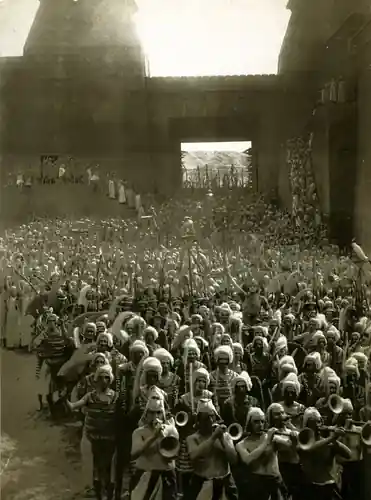
There are films that merely depict history; The Loves of Pharaoh swallows it whole—then exhales a mirage of gold dust and myrrh. Premiered in Berlin in the autumn of 1922, this super-production was Germany’s brassy answer to Hollywood’s intolerance for historical pageantry, and it remains Lubitsch’s most unrestrained canvas: 4,000 extras, life-size sandstone gates trucked in from Potsdam quarries, and a budget hefty enough to make Ufa accountants weep into their ledgers.
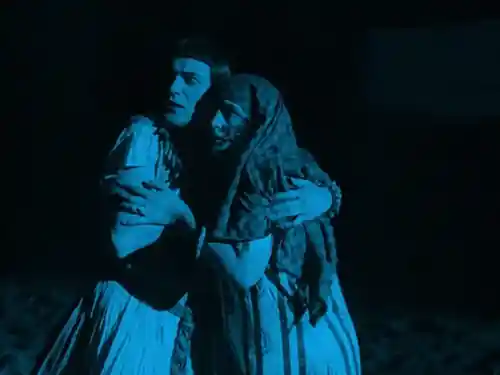
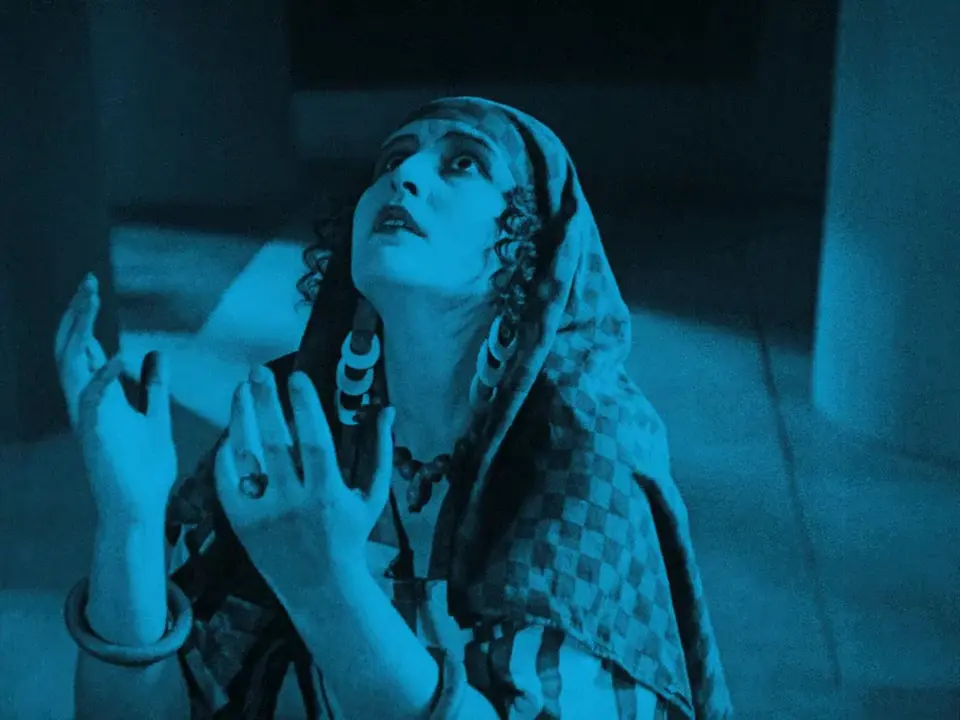
Yet beneath the pomp beats an intimate triptych of obsession: nation, king, woman. The Ethiopian princess Makeda—regal, aloof, her eyes pools of obsidian—arrives as treaty collateral. Lyda Salmonova plays her with feline detachment, every blink a calculation. She is not some swooning starlet; she is geopolitics incarnate, draped in leopard pelts. Opposite her, Paul Wegener’s Pharaoh Amenes struts like a bronze colossus, jaw squared, voiceless but thunderous in title cards that unfurl like temple inscriptions. His performance is architecture: shoulders wide as pylons, gaze fixed on eternity.
Notice how cinematographer Theodor Sparkuhl chisels every frame: sidelight from burning braziers carves cheekbones into bas-relief; night-for-night shots pour indigo across palace rooftops, stars punched out like nail heads in velvet. The palette—amber, lapis, arterial crimson—anticipates the expressionist fever of Nosferatu released the same year, yet Lubitsch tempers stylisation with archaeological zeal. You can almost smell lotus oil rising off the nitrate.
Modern viewers, jaded by CGI armies, may scoff at cardboard chariots. Resist that smugness. The battle sequences here pulse with a tactical realism achieved by hiring 500 Sudanese dockworkers who knew, from ancestral memory, how to form an infantry square. Axes clash, spears splinter, dust clouds the lens—there is a tactile danger absent from contemporary pixel wars. When a Nubian mercenary topples off a battlement, his scream is drowned by massed trumpets; death is abrupt, anonymous, cheap. That, too, is politics.
Screenwriters Norbert Falk and Hanns Kräly thread a taut dialectic: peace purchased by flesh. Makeda’s betrothal is meant to cement détente, yet her very presence ignites rivalry between Amenes and his hawk-eyed general Sothis (Bernhard Goetzke, all cheekbones and menace). Goetzke underplays, letting his silence stretch until it snaps. Watch the banquet scene: he toys with a lotus bloom while describing military supply lines—botany as blood sport.
One woman becomes map, treaty, and powder keg; her womb the ink with which borders are redrawn.
The film’s sexual economy feels startlingly contemporary. Amenes seeks possession, Sothis seeks usurpation, Makeda seeks autonomy—three vectors colliding at the speed of history. In 1922 Weimar Germany, bruised by war and inflation, such narratives of collapsed authority must have felt like prophecy.
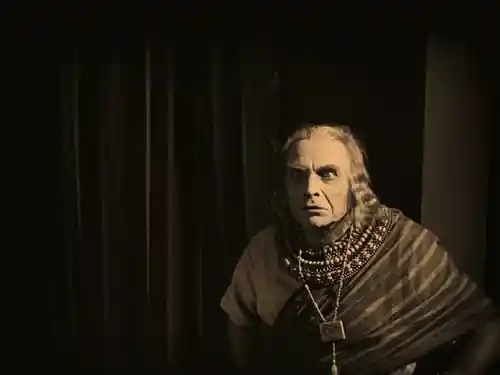
Emil Jannings cameos as a high priest, eyes rolling skyward like a man receiving satellite transmissions from Ra. His single close-up—face painted with arsenic-based foundation—remains one of silent cinema’s most unnerving portraits of fanaticism. Meanwhile, Albert Bassermann brings gravel-voiced gravitas to the Ethiopian envoy, pleading for peace while clutching a blood-rusted spear, proof of battles that never needed fighting.
But the revelation is Lyda Salmonova. In a medium that often treated women as ornamental caryatids, she strides through the narrative like a living obelisk, her stillness radiating contempt. When she finally confronts Amenes—“You have bought a kingdom, never its heart”—the intertitle burns on-screen long enough to scorch every monarch in the orchestra stalls.
Production designer Kurt Richter scavenged Berlin’s ethnographic museum for Nubian pottery, then smashed and reassembled them to create walls that looked authentically looted. Statues stand 12 metres tall yet are built of timber and plaster; the cracks were filled with powdered gold, so when torchlight hits, flaws glitter like veins of ore. Compare that to modern greenscreen vistas where actors emote opposite tennis balls on sticks—here, architecture pressed back, forcing performers to live inside space.
Hear, too, the original 1922 score—reconstructed by Marco Dalpane from cue sheets—performed with ophicleide, ney flute, and taar drum. The tonalities of Hijaz karjigha intertwine with Wagnerian brass, a cultural graft that mirrors the film’s diplomatic entanglement. When Makeda’s wedding barge sails toward Memphis, a lone oboe spirals into melisma, sounding less like celebration than lament; the hair on your forearms rises like reeds in the Nile current.
For decades the film slumbered incomplete, a ghost in 15 archival cans. Then in 2011, the Friedrich Wilhelm Murnau Foundation unearthed a 240-metre Spanish distribution print in a disused monastery near Burgos. Frames were washed in vinegar syndrome, emulsion bubbling like desert sand. Digital artisans at ARRI scanned at 4K, pixel-matched water damage, reconstructed tinting via chem-spectral analysis. Result: the sky gradates from bruised plum to molten copper exactly as Lubitsch intended, not some scholar’s guesswork.
Blu-ray viewers can now trace individual grains of malachite eyeshadow on Salmonova’s lids, count the vertebrae on a crocodile carved into the royal bedstead. Such minutiae matter; they remind us that spectacle without detail is mere noise.
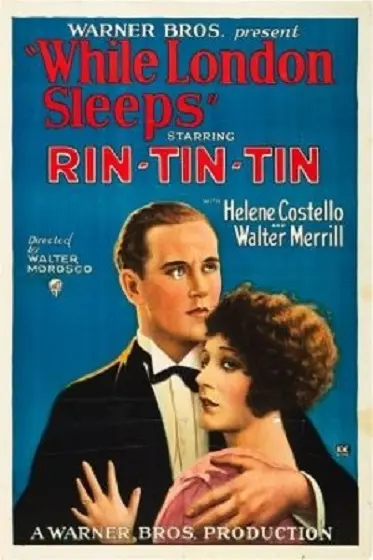
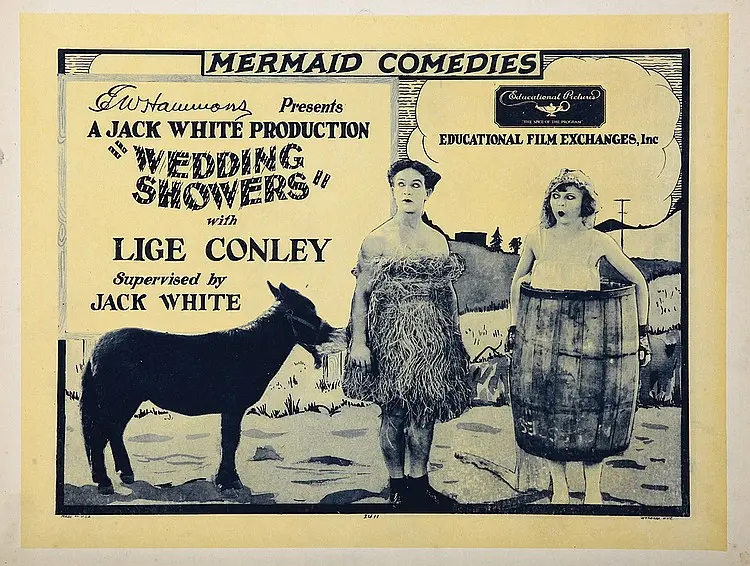
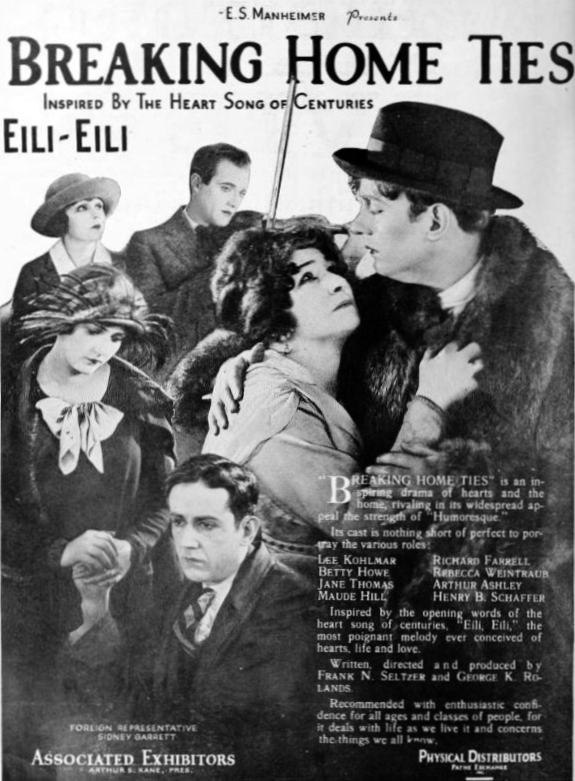
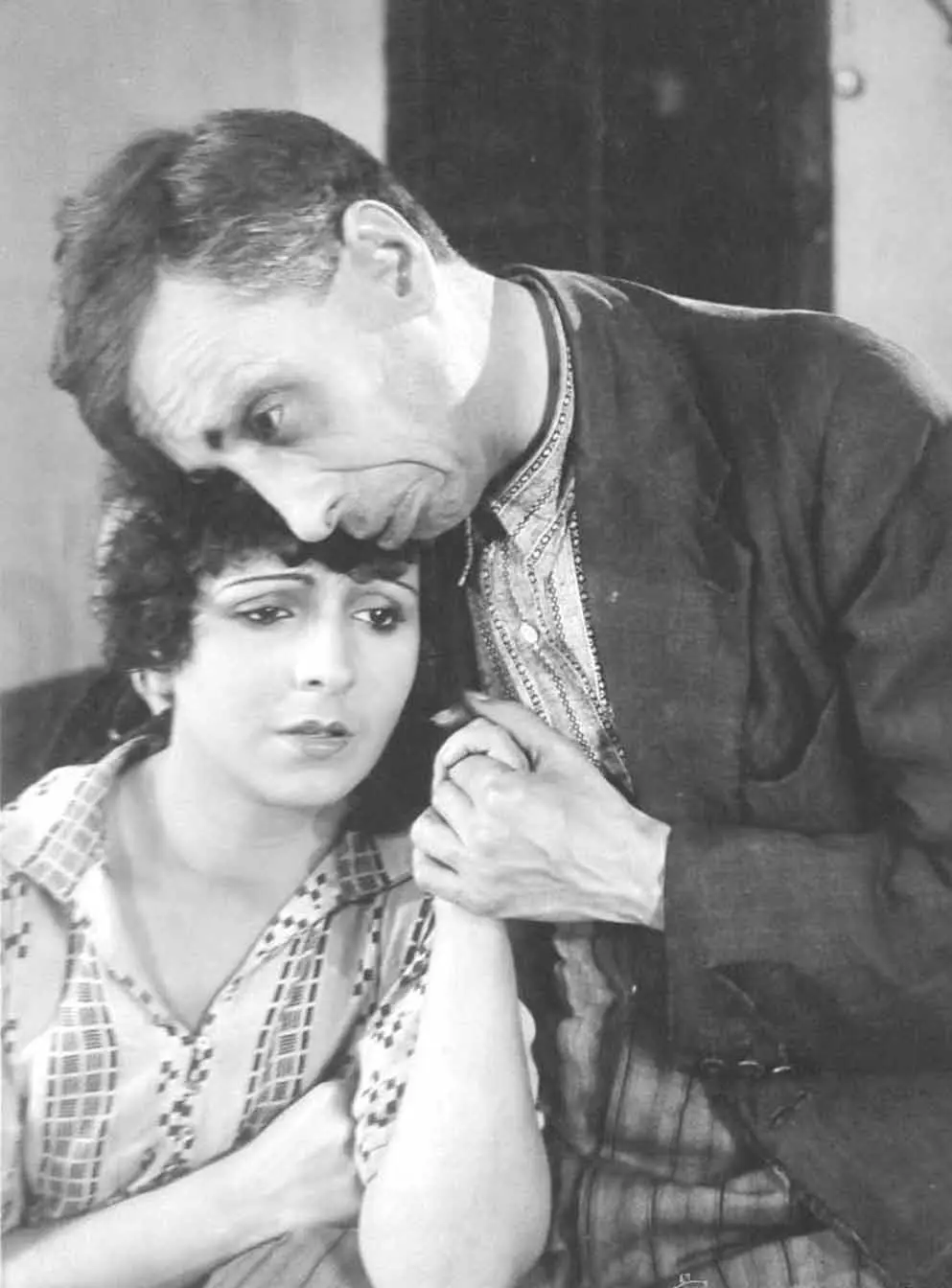
Place The Loves of Pharaoh beside other 1922 releases—Our Gang’s juvenile slapstick, Had og Kærlighed’s Nordic melodrama, Maid o’ the Storm’s seafaring pulp—and you see cinema’s Big Bang: genres flung outward, possibilities expanding faster than telescopes could track. Lubitsch’s epic anticipates both Samson’s biblical beefcake and Fortune’s Child’s imperial intrigue. Its DNA lingers in Cecil B. DeMille’s Technicolor orgies and in Game of Thrones’ cynical courtiers.
Yet unlike many pageants, this one refuses to anoint its ruler. Amenes ends the film not in triumph but in solitary procession, a living sarcophagus. The final intertitle—“The gates of heaven are narrow; the gates of power are but graves”—feels almost anti-authoritarian for a country still licking Versailles wounds.
Modern critics may bristle at a narrative that begins with a woman gifted like spice cargo. Fair. Yet the film’s visual grammar complicates that objection. Lubitsch repeatedly frames Makeda in low-angle shots, forcing us to crane upward as though worshipping an idol; meanwhile Amenes is often shot from a slight downward tilt, shrinking him within his own regalia. The gaze becomes democratic, fractured. When she finally rejects the marriage bed, the camera lingers on her back, shoulder blades flexing like folded wings—an assertion of bodily sovereignty no title card need explain.
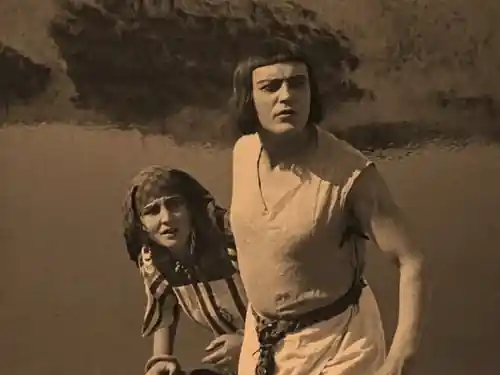
Compare this to Less Than the Dust, where Mary Pickford’s orientalised princess must pine for colonial validation. Lubitsch grants Makeda the last ethical victory, even if geopolitics devours her personal future.
Costing 8 million marks—enough to float a small navy—the picture recouped only two-thirds, triggering Ufa’s first major restructuring. Studio executives blamed Lubitsch’s “pathological perfectionism,” yet the director fled to Hollywood and invented the modern romantic comedy. Thus, from the ashes of this commercial disappointment rose Trouble in Paradise, Ninotchka, The Shop Around the Corner. Failure, like a funerary boat, ferries genius across time.
If your concept of silent film is Chaplin’s pratfalls, prepare for sensory whiplash. The Loves of Pharaoh is grand opera minus the vibrato, a basilisk stare into the abyss of power. Stream it on a 4K projector, let the brass score rattle your floorboards, and when Makeda’s tears dissolve into the desert night, you’ll realise: empires collapse, celluloid scars, but cinema—like the Nile—keeps remaking its banks.
Where to find it: Masters of Cinema Blu-ray, region-free; 4K restoration available via Kanopy in many libraries. Pair with a dry Riesling, scented with cardamom, and let the ancient world flood your living room.
IMDb 6.6
1928
Community
Log in to comment.