DbcultAccessing Vault...
5.3/10
Senior Film Conservator
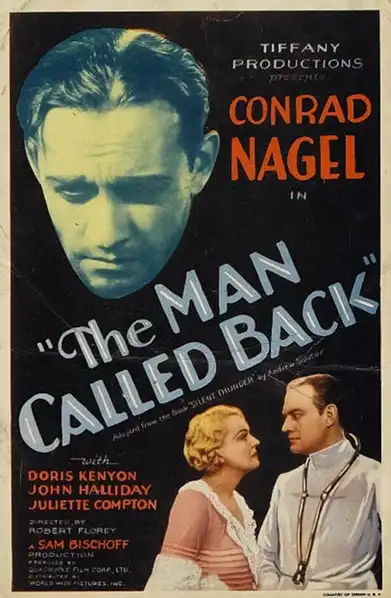
A definitive 5.3/10 rating for a film that redefined the boundaries of cult cinema. The Man Called Back remains a cornerstone of transgressive art.
So, is The Man Called Back worth digging up today? 🤔 Well, if you like old black-and-white dramas, the kind where people wear crisp white suits even in the jungle, you might find something here. It’s got that classic Hollywood feel, all about second chances and finding yourself. But if you need fast pacing or characters with a lot of layers, you’ll probably find this one a bit of a slog. It’s slow, folks. Like, really slow.
The movie opens with David, our disgraced doctor, looking pretty beaten up by life. He's exiled himself to this lush South Seas island. You get the sense he just wants to disappear, and honestly, who could blame him? That initial quiet, the way he just stares at the ocean, *really* sets a mood.
Then Diana and Gordon show up. Diana, played by Doris Kenyon, is the society lady who seems to just float into his isolated world. She’s all grace and good intentions, and her arrival immediately shakes things up.
Gordon, her husband, is the irresponsible one. He’s the kind of guy who means well but just can't seem to get his act together. John Halliday does a good job making him both charming and frustrating, often at the same time.
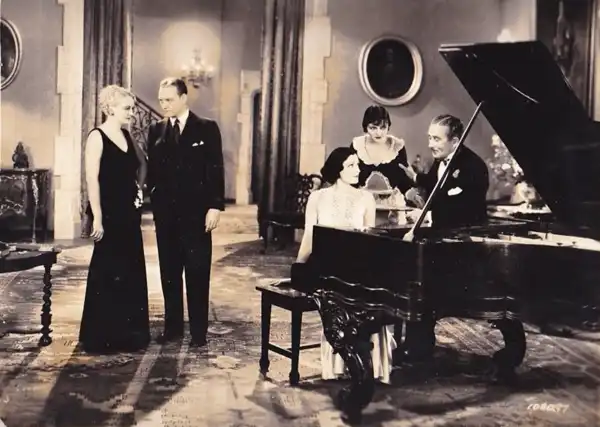
The scenes where David first starts to open up are the best bits. There’s one moment, a small exchange, where Diana asks him about his past, and he just looks away. It’s not a big speech, but you feel his weight there, you know?
The South Seas setting is interesting. Sometimes it looks genuinely beautiful, all those swaying palm trees. Other times, it looks like, well, a very obvious studio set. You can almost see the painted backdrops in a few shots. 🌴
There’s a bit where Gordon tries to do something noble, and it just completely falls apart. It’s almost comedic, but the film treats it very seriously. That contrast is a little odd. You can almost feel the film trying to convince you this moment matters.
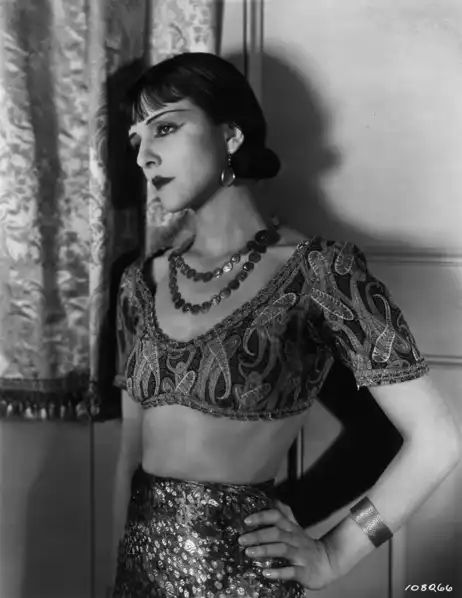
Mona Maris, as one of the island locals, gets some screen time too. Her character doesn't have a lot to do beyond reacting to the main trio, honestly. But her presence does add a bit of local flavor, even if it feels a little stereotypical for the era.
The dialogue is very much of its time. People speak with such formality. It's not bad, just different. Sometimes it feels like they’re reading from a play rather than having a real conversation.
One reaction shot of George C. Pearce, as David, lingers so long after a particularly emotional line. It doesn't quite become funny, but it skirts the edge. You really feel them stretching for the emotional impact there. Almost like, "Are we done yet?"
The whole redemption arc for David is, well, it’s predictable. But what makes it work, sometimes, is the quiet sincerity of Doris Kenyon’s performance. She really makes you believe in Diana’s belief in David.
I found myself checking my watch a few times, especially during some of the longer conversations that didn’t really advance the plot much. It’s not that the story is boring, just that it takes its sweet time getting where it needs to go. My attention span, it's not like it used to be.
There's a scene near the end where David finally stands up for himself. It feels earned
IMDb —
1928
Community
Log in to comment.